The newly launched APICS Certified in Logistics, Transportation, and Distribution credential program is designed to set the global standard for logistics best practices and aims to elevate knowledge and skills in logistics, transportation and distribution practitioners.
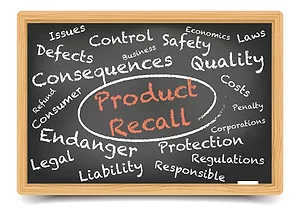
Bowing to two weeks of rising public pressure in China, the Swedish furniture maker Ikea on Tuesday said it would extend its recent recall to a country where so far it has enjoyed strong sales.
Following a food safety scare last year in which hundreds of people fell ill after eating Chipotle products contaminated with E. coli bacteria or noroviruses, the company - which has long advertised its fresh, high-quality ingredients - has seen its stock price fall by double digits.
Mergers and acquisitions activity in the first half of 2016 fell by 26.6 percent compared to the same period last year, and the decline was a whopping 66.8 percent when compared to the second half of 2015, data compiled by Mergermarket showed.
Born two or three years after the invention of the World Wide Web, and just 12 or 13 years old when the invention of the smartphone changed everything, the latest cohort of millennials just graduated from college last spring. Now they are entering the workforce, where they will be joining their "digital native" predecessors, who already make up more than half of the workforce. And they are even more immersed in the technology and culture of the internet than their forerunners were.
The explosive growth of online retailing over the last 20 years has increased the pressure on states to seek to enforce sales and use taxes on online purchases.
The Customs-Trade Partnership Against Terrorism (C-TPAT) program was created in the wake of the 9/11 attacks to build cooperative relationships that strengthen international supply chains and U.S. border security.
One of the long touted benefits of outsourcing was relief from the minutia involved in manufacturing, billing, service and more. As outsourcing took off, few worried about the loss of visibility into those functions because they weren't considered core competencies anyway. The prevailing logic was companies should focus on processes that made them unique and everything else should be off loaded to companies that excelled in each domain. In the supply chain, that meant long chains of components from various companies feeding into more complex components that were shipped to the top of the chain and assembled into the finished product.