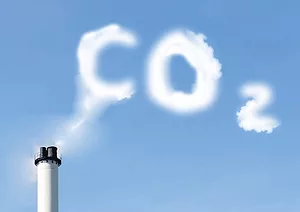
At current fuel sulfur levels, pollutant emissions from ships in part of the Arctic region could increase 150 to 600 percent by 2025, according to a report from the International Council of Clean Transportation.
Analyst Insight: Companies today face a wide range of security risks to their supply chains as well as to their sources of supply. In order to overcome vulnerabilities, they should have a deep understanding of their internal and external supply chains, and be able to quantify the likelihood and impact of security threats. – Glen Goldbach, Director, and Kelvin Harris, Director, PwC's Advisory Practice
The UK P&I Club has joined forces with leading marine cargo insurer Allianz Global Corporate & Specialty to publish practical guidance for ship owners and operators on how to carry heavy-lift and project cargo safely at sea.
Cheaper, better robots will replace human workers in the world's factories at a faster pace over the next decade, pushing labor costs down 16 percent, according to the Boston Consulting Group.
Collaborating with supply chain partners on sustainability initiatives can improve outcomes, including financial return and reduce a firm's environmental footprint, according to a recent report by CDP and Accenture titled Supply Chain Sustainability Revealed: A Country Comparison.
The International Chamber of Shipping says that the shipping and bunker refining industries should recognize that the global 0.5-percent sulfur-in-fuel cap, currently set to go into effect in 2025, may be implemented worldwide by 2020.