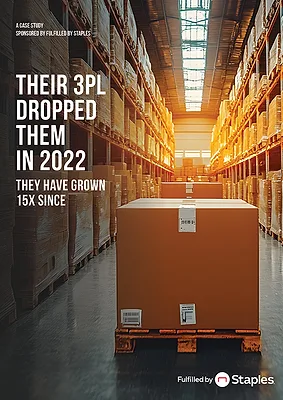
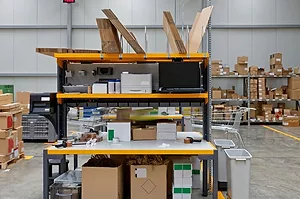
As Chagrinovations, a consumer goods invention company, was on the verge of expanding from D2C sales into nationwide retail and marketplace channels, its existing 3PL provider ended the relationship, citing the company’s small size. The transition created an immediate need for a logistics partner capable not only of supporting existing fulfillment operations, but also of scaling alongside an increasingly complex and diverse business.
The warehouse is only one part of the equation. Large and bulky products typically require a different transportation and final-mile delivery model as well.
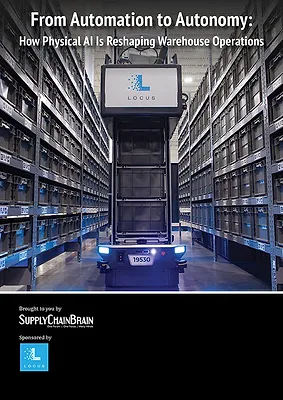
Warehouse managers can plan for a lot of things. They can forecast seasonal demand, optimize inventory levels and redesign workflows to improve efficiency. But what they can't plan for is every unexpected disruption that occurs throughout a normal workday.
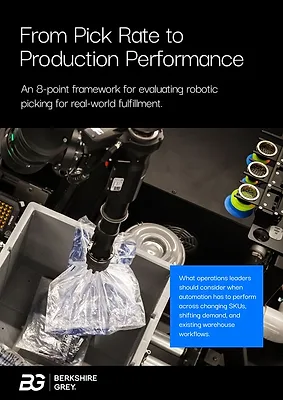
A robotic picking system can post an impressive pick rate and still leave your team handling too many exceptions. For fulfillment leaders, the real test is how much of your operation’s picking volume it can handle reliably. And whether that performance holds as products, packaging, and demand change.
Brands that forecast accurately and manufacture sufficient inventory can still underperform if they cannot convert finished goods into channel-ready inventory fast enough.
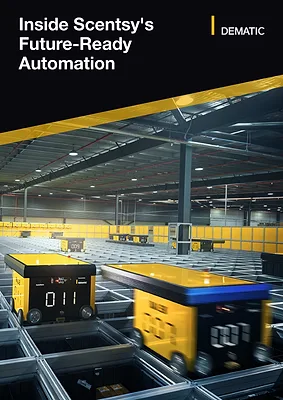
Scentsy is a global leader in fragrance products. As order volumes increased, SKUs expanded, and warehouse space became limited, manual operations could no longer keep pace. Scentsy partnered with Dematic to implement a future-ready solution combining AutoStore™ empowered by Dematic, intelligent software, and a pick-to-cart system to maximize storage capacity, optimize inventory flow, and accelerate e-commerce fulfillment.
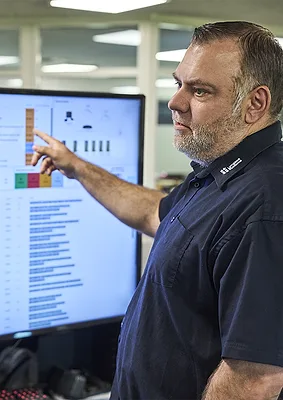
Supply chains are under increasing pressure to handle higher volumes, tighter delivery expectations, and more complex flows with fewer resources and less tolerance for error. This article explores five key trends shaping the shift from basic operational visibility to measurable business value.
Matt Kelly, vice president of business development with Packsize, talks about the key considerations for companies looking to integrate automated packaging processes into brownfield facilities.
The latest news, analysis, trends and solutions regarding packaging for warehousing and distribution. Today’s companies are moving goods across more suppliers, vendors and customers than ever before, and innovative packaging solutions can help them stay ahead of the competition in their industries. As these solutions continue to evolve, businesses are discovering new ways to increase efficiency, improve sustainability and cut costs. Learn how companies around the world are improving supply-chain operations through their strategic use of packaging in the warehouse.
Subscribe to our Daily Newsletter!
Timely, incisive articles delivered directly to your inbox.