• Advertise
  • Contact Us
  • Supplier Directory
  • SCB YouTube
  • About Us
  • Login
  • Subscribe
  • Logout
  • My Profile
  • LOGISTICS
    • Air Cargo
    • All Logistics
    • Facility Location Planning
    • Freight Forwarding/Customs Brokerage
    • Global Gateways
    • Global Logistics
    • Last Mile Delivery
    • Logistics Outsourcing
    • LTL/Truckload Services
    • Ocean Transportation
    • Parcel & Express
    • Rail & Intermodal
    • Reverse Logistics
    • Service Parts Management
    • Transportation & Distribution
  • TECHNOLOGY
    • All Technology
    • Artificial Intelligence
    • Cloud & On-Demand Systems
    • Data Management (Big Data/IoT/Blockchain)
    • ERP & Enterprise Systems
    • Forecasting & Demand Planning
    • Global Trade Management
    • Inventory Planning/ Optimization
    • Product Lifecycle Management
    • Robotics
    • Sales & Operations Planning
    • SC Finance & Revenue Management
    • SC Planning & Optimization
    • Supply Chain Visibility
    • Transportation Management
  • GENERAL SCM
    • Business Strategy Alignment
    • Customer Relationship Management
    • Education & Professional Development
    • Global Supply Chain Management
    • Global Trade & Economics
    • Green Energy
    • HR & Labor Management
    • Quality & Metrics
    • Regulation & Compliance
    • Sourcing/Procurement/SRM
    • SC Security & Risk Mgmt
    • Supply Chains in Crisis
    • Sustainability & Corporate Social Responsibility
  • WAREHOUSING
    • All Warehouse Services
    • Conveyors & Sortation
    • Lift Trucks & AGVs
    • Order Management & Fulfillment
    • Packaging
    • RFID, Barcode, Mobility & Voice
    • Warehouse Automation
    • Warehouse Management Systems
  • INDUSTRIES
    • Aerospace & Defense
    • Apparel
    • Automotive
    • Chemicals & Energy
    • Consumer Packaged Goods
    • E-Commerce/Omni-Channel
    • Food & Beverage
    • Healthcare
    • High-Tech/Electronics
    • Industrial Manufacturing
    • Pharmaceutical/Biotech
    • Retail
  • THINK TANK
  • WEBINARS
    • On-Demand Webinars
    • Upcoming Webinars
    • Webinar Library
  • PODCASTS
  • WHITEPAPERS
  • VIDEOS
Home » Blogs » Think Tank » How Demand for Electric Vehicles Will Impact the Supply Chain

Think Tank
Think Tank RSS FeedRSS

How Demand for Electric Vehicles Will Impact the Supply Chain

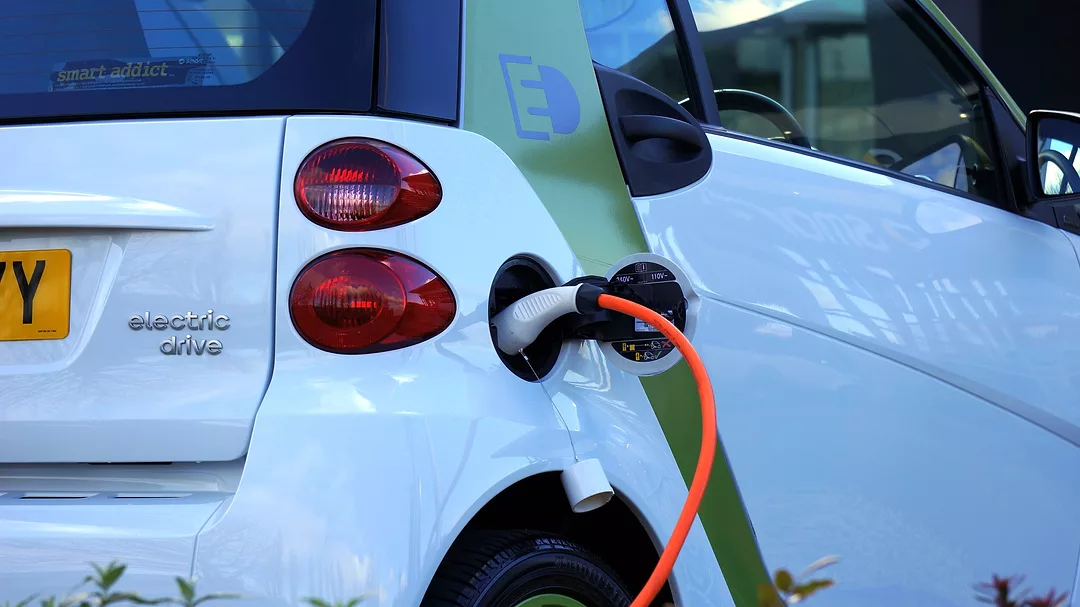
Electric Cars

Image source: Mikes-Photography / pixabay.com

July 29, 2020
Jeff Brind, SCB Contributor

Global demand for electric vehicles is accelerating as consumers become more eco-conscious and countries set new targets for cutting carbon emissions. 

In the United Kingdom, for example, a ban on selling petrol, diesel and hybrid vehicles will be implemented from 2035 onwards as the U.K. government wants to achieve its goal of net-zero carbon emissions by 2050.

Some people in the U.K. and other countries in similar situations have raised concerns about whether we are prepared for the ban on petrol and the switch to electric. However, it seems inevitable that petrol vehicles will eventually become a thing of the past, so the world needs to adapt quickly to the prevalence of EVs and the infrastructure required for them.

With that in mind, the scale of production needed for EVs is greater than ever before. But how is this impacting the global electronic supply chains?

Electric Car Components

The main components of an EV that we would likely all recognize are the battery, motor controller and electric motor. However, many more components go into the creation of an EV, such as the traction battery pack, on-board charger, transmission, charge port and thermal system.

The electric motor is used where the engine would sit in a fuel-powered car. Electric motors can be made to use a DC or an AC current, depending on the vehicle. The latter are cheaper and lighter than the former, as well as being slightly more durable. However, AC motors need a more sophisticated motor controller to operate.

The EV industry is a constantly developing market and it’s likely that the way these components are made will have to adapt and evolve to the current climate. For example, the batteries in electric cars are often made using lithium-ion technology but lead-acid batteries and nickel-metal hydride batteries are also used, and other alternatives may still be found.

Strain on Supply Chains

There is no doubt that the rapidly accelerating EV market will have a major impact on supply chains. Global EV sales grew to more than two million units in 2018 — an increase of 63% on a year-on-year basis, according to McKinsey.

This booming industry is now in a time of supply-chain uncertainty, as COVID-19 has been sending ripples through global supply chains, creating issues with sourcing, lead times and transportation of components.

It’s also important to keep in mind that it’s not just components needed for the vehicles themselves, but the components needed for the EV infrastructure to offer a sufficient number of charging points. Cables, sockets and other accessories will also be a necessary part of the transition to EVs.

One component that is currently in high demand is lithium-ion batteries, and this is causing a big strain on supply chains. It is clear that, to ensure the success of the EV industry, manufacturers and suppliers need to meet these challenges head on.

Another key problem aside from availability is that mining of cobalt, a key battery material, is currently concentrated in one country, the Democratic Republic of Congo. There are concerns about the morality of the cobalt mining industry, as well as the environmental impact.

The search is on for alternatives to the cobalt-containing batteries currently widely used, so we may well see manufacturers trialling some of these in the future. Indeed, EV giant Tesla has recently made an investment in lithium phosphate batteries, which demonstrates a big shift in the global battery supply chain for EVs.

What’s more, China is the largest producer of lithium hydroxide used in electric car batteries, but they are currently still engaged in trading tensions with the United States. This has been compounded by the fact that production costs and logistical difficulties are being caused by the COVID-19 outbreak, so the supply of lithium hydroxide worldwide has been halted. 

In general, there needs to be a more integrated approach in the supply chain, with all players working together for the betterment of the industry. Manufacturers will need to be flexible in their approach to creating EVs, by reviewing their supply chain and looking for alternative options in terms of suppliers. A long-term approach will be required by all the supply chains, to ensure that the supply of batteries to EVs remains at a good pace. 

Jeff Brind is chief information officer at Delta Impact. 

Global Supply Chain Management Sourcing/Procurement/SRM Sustainability & Corporate Social Responsibility Automotive Chemicals & Energy High-Tech/Electronics

RELATED CONTENT

RELATED VIDEOS

Subscribe to our Daily Newsletter!

Timely, incisive articles delivered directly to your inbox.

Featured Product

Popular Stories

  • A TRUCK WITH ITS CONTAINER DOOR OPEN SITS UNDER A SIGN THAT READS INTERNATIONAL BORDER COMMERCIAL TRUCKS

    Importers Into Mexico Can No Longer Delay Complying With New Customs Declaration Law

    Data Management (Big Data/IoT/Blockchain)
  • 018_how_3pls_can_get_started_with_ai_v1-(540p).png

    Watch: How 3PLs Can Get Started With Automation

    Logistics Outsourcing
  • An employee in a warm suit crouches down to get boxes of food ready for shipping at a warehouse

    Packaging Optimization Is Boosting Cold Chain Growth

    Air Cargo
  • A FIGURE IN CAMOUFLAGE LOOKS THROUGH A SCOPING DEVICE AT A SHIP IN THE DISTANCE, BELCHING SMOKE

    Strait of Hormuz Ship Transits Are Rising Thanks to U.S. Help

    Global Gateways
  • Heat Haze Distorts Video of Semi-Trucks Driving Down an Interstate Surrounded by Mountains on a Sunny Day

    The Biggest Challenges Facing Logistics Operators This Summer

    Logistics

Digital Edition

2026 esg cover main scb q2 2026 cover

SupplyChainBrain 2026 ESG Guide: ESG — The Supply Chain’s Biggest Secret

VIEW THE LATEST ISSUE

Case Studies

  • Recycled Tagging Fasteners: Small Changes Make a Big Impact

  • A GRAPHIC SHOWING MULTIPLE FORMS OF SHIPPING, WITH A HUMAN STANDING AT THE CENTER, TOUCHING A SYMBOLIC MAP OF THE WORLD

    Enhancing High-Value Electronics Shipment Security with Tive's Real-Time Tracking

  • A GRAPHIC OF INTERLACING HONEYCOMBED ELEMENTS REPRESENTING GLOBAL BUSINESS TRANSACTIONS

    Moving Robots Site-to-Site

  • JLL Finds Perfect Warehouse Location, Leading to $15M Grant for Startup

  • Robots Speed Fulfillment to Help Apparel Company Scale for Growth

Visit Our Sponsors

4flow Arkieva Blue Yonder
Carton Cloud CoEnterprise Dassault
Duravant E2Open General Logistics Systems
Hy-Tek iGPS Korber
Lyngsoe Procurability Quinyx
SAP Sikick Systech
S&P Global Mobility TADA TransImpact
US Bank Werner Enterprises WSI
  • More From SCB
    • Featured Content
    • Video Library
    • Think Tank Blog
    • SupplyChainBrain Podcast
    • Whitepapers
    • On-Demand Webinars
    • Upcoming Webinars
  • Digital Offerings
    • Digital Issue
    • Subscribe
    • Manage Email Preferences
    • Newsletters
  • Resources
    • Events Calendar
    • 2026 Event Coverage
    • SCB's Great Supply Chain Partners
    • Supplier Directory
    • Case Study Showcase
    • Supply Chain Innovation Awards
    • 100 Great Partners Form
  • SCB Corporate
    • Advertise on SCB.COM
    • About Us
    • Privacy Policy
    • Contact Us
    • Data Sharing Opt-Out

All content copyright ©2026 Keller International Publishing Corp All rights reserved. No reproduction, transmission or display is permitted without the written permissions of Keller International Publishing Corp

Design, CMS, Hosting & Web Development :: ePublishing