RSS
RSS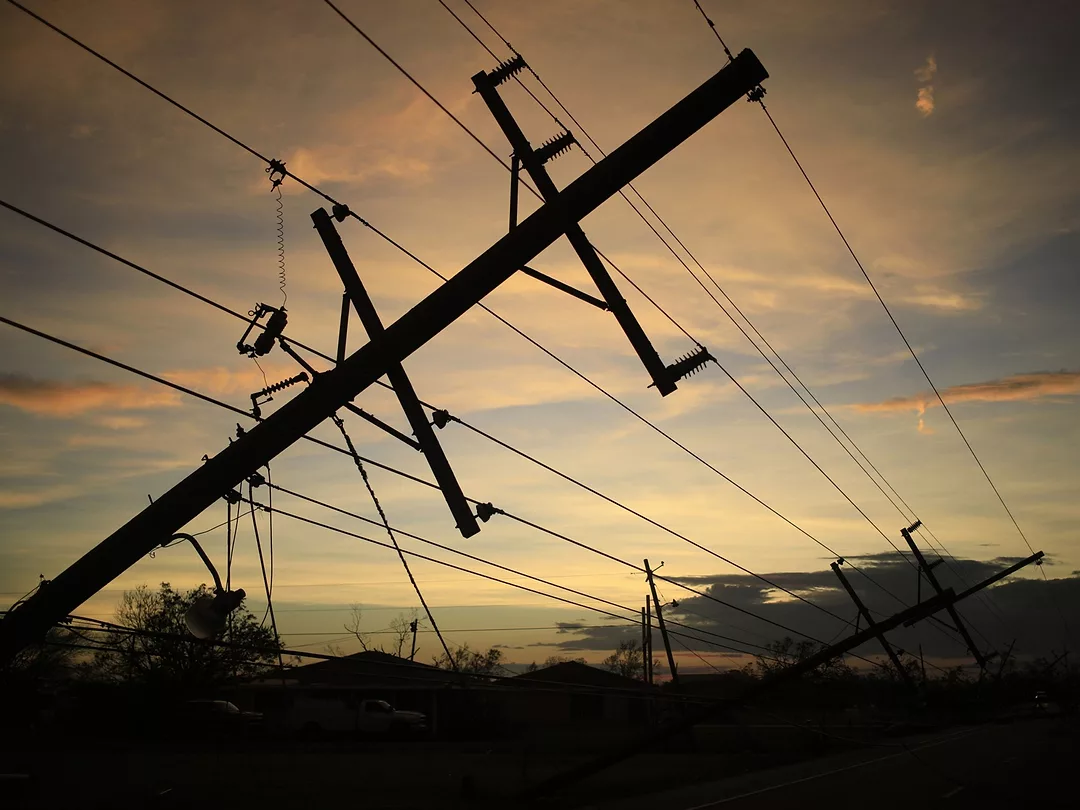

This has been a devastating year thus far in terms of natural disasters, with virtually every region of the U.S. feeling the effects of some type of weather-related catastrophe. These disasters are also wreaking havoc on business, and organizations in virtually every sector are trying their best to cope with disruptions. This has been especially true for the energy logistics space in the wake of Hurricane Ida.
Energy shippers are no strangers to the unique challenges of having to ship sensitive materials. Unfortunately, due to the widespread destruction of Hurricane Ida, even the most experienced energy shippers, logistics companies and freight procurement professionals are finding the situation to be incredibly imposing.
With that in mind, following are some of the challenges that Hurricane Ida is presenting to shippers in this space, and how they might be able to best navigate them.
Alternative sourcing of raw materials. With hundreds of thousands of individuals without power — and even more having to evacuate entirely — many energy plants and warehouses are likely to be operating at reduced capacity at best over the coming weeks and months. This means shipments of raw materials to and from these facilities will likely be in short supply for the foreseeable future. Companies will need to expand their networks to find carriers to help meet changes and movements in production and materials sources, as they shift production from the Gulf to alternative locations. Granted, given the reduction in shipments, fuel-specific capacity will likely remain relatively open. However, trying to make such large-scale shifts in production and shipping occur can be quite hectic. Therefore, companies need to lean into their tech capabilities to make sure their supply chain and freight operations are going according to plan. If not, shippers stand to create an even bigger problem for themselves.
Priority shipments resulting in knock-on costs. With FEMA-related shipments of food, water and other supplies remaining a priority, the price to ship non-essential materials will likely go up as more general capacity is allocated to meet relief needs. This means that energy shippers must remain vigilant with regard to any market changes that occur, and need to make sure they have the technology infrastructure for finding the best value in the carrier market. Unfortunately, many shippers still rely on outdated tools and strategies, and therefore need to engage in a rapid rethink of their business infrastructure if they want to avoid overshooting their shipping budgets.
Driver shortages compounding quality availability issues. Even during “smooth” periods, finding the most reliable carrier for each load can be a challenge, especially if you’re relying on the broker market. These issues are only exacerbated during periods of disruption. That’s especially true in specialized shipping industries such as energy, where there’s already a defined subset of qualified carriers. As a result of Ida, the availability of qualified and reliable carriers that can get in and out of impacted areas is as slim as it has ever been. By tapping into tools such as artificial intelligence and other aspects of data science, shippers can access real-time insights into which carriers are available and which are the most reliable. This can give them more peace of mind about who’s carrying their goods during these very challenging circumstances.
Energy shipping in the wake of a natural disaster is not an easy proposition. However, by keeping these factors and strategies in mind, shippers can ease some of the headaches they’re likely to be experiencing during these hectic times.
Oleg Yanchyk is chief information officer with Sleek Technologies.
This has been a devastating year thus far in terms of natural disasters, with virtually every region of the U.S. feeling the effects of some type of weather-related catastrophe. These disasters are also wreaking havoc on business, and organizations in virtually every sector are trying their best to cope with disruptions. This has been especially true for the energy logistics space in the wake of Hurricane Ida.
Energy shippers are no strangers to the unique challenges of having to ship sensitive materials. Unfortunately, due to the widespread destruction of Hurricane Ida, even the most experienced energy shippers, logistics companies and freight procurement professionals are finding the situation to be incredibly imposing.
With that in mind, following are some of the challenges that Hurricane Ida is presenting to shippers in this space, and how they might be able to best navigate them.
Alternative sourcing of raw materials. With hundreds of thousands of individuals without power — and even more having to evacuate entirely — many energy plants and warehouses are likely to be operating at reduced capacity at best over the coming weeks and months. This means shipments of raw materials to and from these facilities will likely be in short supply for the foreseeable future. Companies will need to expand their networks to find carriers to help meet changes and movements in production and materials sources, as they shift production from the Gulf to alternative locations. Granted, given the reduction in shipments, fuel-specific capacity will likely remain relatively open. However, trying to make such large-scale shifts in production and shipping occur can be quite hectic. Therefore, companies need to lean into their tech capabilities to make sure their supply chain and freight operations are going according to plan. If not, shippers stand to create an even bigger problem for themselves.
Priority shipments resulting in knock-on costs. With FEMA-related shipments of food, water and other supplies remaining a priority, the price to ship non-essential materials will likely go up as more general capacity is allocated to meet relief needs. This means that energy shippers must remain vigilant with regard to any market changes that occur, and need to make sure they have the technology infrastructure for finding the best value in the carrier market. Unfortunately, many shippers still rely on outdated tools and strategies, and therefore need to engage in a rapid rethink of their business infrastructure if they want to avoid overshooting their shipping budgets.
Driver shortages compounding quality availability issues. Even during “smooth” periods, finding the most reliable carrier for each load can be a challenge, especially if you’re relying on the broker market. These issues are only exacerbated during periods of disruption. That’s especially true in specialized shipping industries such as energy, where there’s already a defined subset of qualified carriers. As a result of Ida, the availability of qualified and reliable carriers that can get in and out of impacted areas is as slim as it has ever been. By tapping into tools such as artificial intelligence and other aspects of data science, shippers can access real-time insights into which carriers are available and which are the most reliable. This can give them more peace of mind about who’s carrying their goods during these very challenging circumstances.
Energy shipping in the wake of a natural disaster is not an easy proposition. However, by keeping these factors and strategies in mind, shippers can ease some of the headaches they’re likely to be experiencing during these hectic times.
Oleg Yanchyk is chief information officer with Sleek Technologies.