 RSS
RSS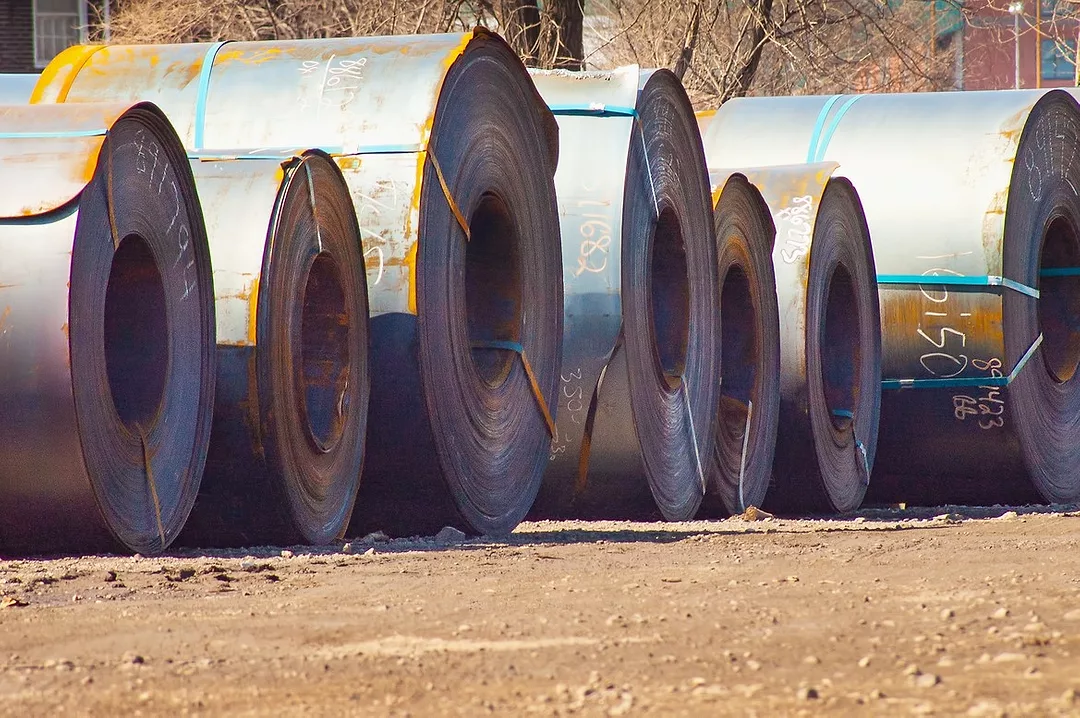
.webp?height=100&t=1784835632&width=150 "LSG26_LTAgentEdgeImage_DB-1313-1 (1).png")
The metals industry is subject to significant market volatility, with fluctuations in demand and supply affecting the price of metals. The global trade of metals is also becoming increasingly complex, driven by changes in trade policies, tariffs, and currency exchange rates. To compete, service centers and others in the metals industry must evolve.
Organizations are increasingly looking for ways to manage the risk while struggling to maintain dependable inventories, predictable logistics and steady cash flows to support a robust, reliable supply chain.
To help ease these challenges and others, businesses like service centers in the industrial metals industry — which has historically been slow to change and even slower to adopt new tech — must increasingly rely on digital tools that power progress, like real-time product tracking to optimize their items’ journey and to provide data to inform decisions.
As leaders continue to navigate unpredictable supply chains, they must consider how technology will mitigate the top drivers of supply chain volatility for the metal industry, and decide which tools to implement throughout the year.
Events Propelling the Need for Change
The pandemic — This event brought increased supply chain chaos and volatility, and continues to make waves even as cases wane. With China accounting for roughly 60% of global rare earth metals extraction and most (87%) of processing, the industrial metals industry, and many others, rely on China for fast, efficient distribution of materials. It remains to be seen what impacts China's recent loosening of COVID-related lockdowns will have on global supply chains.
Global labor shortages and transportation issues — Beginning in 2020, it became common for consumers to wait months for the delivery of a new refrigerator, dishwasher or car since the steel used to make them was not only difficult to obtain but more expensive. Delivery time for many items is slowly returning to normal; however, some metals that go into parts and finished products are still hard to find, and are costly.
Global conflicts — The Russia-Ukraine war contributed to a 40-year-high in inflation, other supply shortages and threats of a recession. Russia is a major copper producer, and Ukraine is a key exporter of metals, among other raw materials, meaning buyers of these materials were facing intense geopolitical pressures and roadblocks as they scrambled to either receive their shipments in time or find new suppliers.
Metal supply chains have constantly been evolving to deal with issues like the pandemic, import challenges, war and human rights issues, and it’s crucial that they are able to continue pivoting quickly as more challenges are sure to present themselves.
Technology Allows Service Centers and Other Industrial Metals Companies to Work Smarter, Not Harder
The shift to digital platforms continues to transform the metals industry, enabling supply chain stakeholders to perform tasks quicker and more efficiently. A jointly launched study by Deloitte and Manufacturers Alliance revealed that 78% of respondents thought digital solutions and monitoring tools would improve supply network visibility and transparency.
For example, some service centers use an online platform to reduce the time and investment required to search for, identify, evaluate and procure prime and excess metals needed to move their business forward — which also increases resiliency.
Additionally, integrating tracking technology with an ERP system is a game changer for many service centers. They would have the visibility to know, for example, that a 45,000-foot steel coil is about to arrive at their facility. Such knowledge would allow warehouse staff to live-load it off a delivery truck and move it straight to the production line rather than having workers wait for hours, wondering when the metal would arrive.
Much of the adoption of technology in the metals industry is being driven by younger, more tech-savvy employees, who have readily recognized its value. The more experienced, older leaders have long relied on direct relationship-building with suppliers and other key players, a strategy that has been very successful in the past. But in today’s volatile and unpredictable marketplace, digital tools and technology enhance these bonds — rather than replacing them— helping to reduce supply chain operating costs, increase efficiency and resiliency, and improve product quality.
What’s Next for the Metals Marketplace?
Moving forward, many more trends will become more prevalent in the metals industry, including:
Digitization — The use of digital technologies, such as digital marketplaces, blockchain, and the Internet of Things (IoT), is increasing in the metals supply chain to improve efficiency, transparency, and collaboration. Implementing automation through artificial intelligence (AI) and eventually augmented reality (AR) and virtual reality (VR) are also possibilities.
Flexible logistics — Enabling the metals supply chain to more easily expand and contract as needed.
Global trade — Global trade of metals is becoming increasingly complex, with changes in trade policies, tariffs, and currency exchange rates affecting the flow of metals around the world.
Local collaboration — Expect more reshoring, nearshoring and friend-shoring to help reduce supply chain volatility that was exacerbated during the pandemic and by international conflicts.
Sustainability — There is a growing emphasis on sustainability and reducing environmental impact. This includes efforts to improve energy efficiency, reduce waste, and promote the use of renewable energy sources like solar or wind energy to help reduce energy consumption and, therefore, carbon footprint.
Digital Investments Empower Evolution
These trends are shaping the future of the metals supply chain, and companies need to adapt to remain competitive.
By embracing digitalization, sustainability, and other trends, companies can increase efficiency, improve transparency and collaboration, and reduce costs to meet the changing needs of global customers and stakeholders.
Chris Shipp is VP of sales at Reibus.
.webp?height=100&t=1784491177&width=150 "030_ai_in_the_warehouse-_real_use_cases_v1-(540p).png")
.webp?height=100&t=1784098417&width=150 "019_moving_from_ai_experimentation_to_real-world_execution_v1-(540p).png")


