 RSS
RSS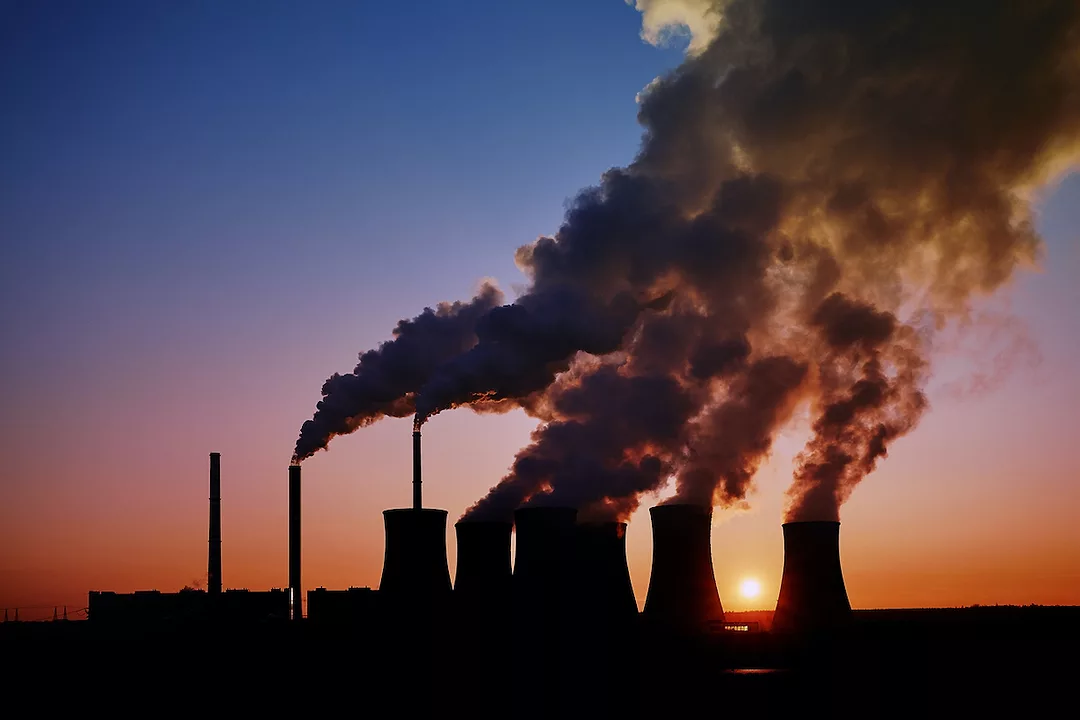
.webp?height=100&t=1784835632&width=150 "LSG26_LTAgentEdgeImage_DB-1313-1 (1).png")
The global supply chain crisis has a hidden dimension that few executives fully grasp: The energy supply chain powering industrial operations worldwide remains largely carbon-intensive, creating unprecedented risks for companies committed to ESG goals. With 37.4 billion tonnes of annual CO₂ emissions and the power sector accounting for 40% of energy-related emissions, the thermal power generation presents the greatest supply chain and ESG related challenge.
Developing economies still depend heavily on thermal power generation for energy security and economic growth. For example, in India alone, coal-fired power plants generate over 60-70% of electricity, supporting industries that employ millions and provide essential services to 1.4 billion people. Similar dependencies exist across other developing countries, where thermal power remains the backbone of industrial development and poverty alleviation.
This creates the "thermal power paradox": the simultaneous need to maintain energy security while drastically reducing environmental impact.
The Supply Chain Reality Check
While supply chain leaders focus on optimizing logistics networks and supplier relationships, the fundamental energy infrastructure supporting industrial operations continues to generate massive environmental and operational risks. A typical 500 MW thermal power plant, the type powering major manufacturing hubs across Asia, Africa, and Latin America, represents a complex supply chain ecosystem requiring 15,000-25,000 tonnes of steel, 50,000 cubic meters of concrete, and coordination among hundreds of global suppliers.
Yet these same facilities release 3 million tonnes of CO₂ annually while consuming 2.5 billion gallons of water daily, creating cascading supply chain impacts, from increased healthcare costs and agricultural productivity losses, to infrastructure damage that disrupts regional logistics networks.
The Four-Pillar Transformation Framework
A systematic approach to transforming thermal power supply chains addresses both environmental imperatives and operational reliability. This four-pillar framework offers supply chain leaders a replicable methodology for engaging with energy suppliers on decarbonization while maintaining the reliability essential for industrial operations.
Pillar 1: Emissions Control Supply Chains
Advanced flue gas desulfurization (FGD) creates new material flows. FGD implementation transforms waste streams into supply chain assets. A single FGD installation prevents 30,000 tonnes of SOx emissions annually while generating 40,000 tonnes of synthetic gypsum — creating new revenue streams for wallboard manufacturing that can generate $5-8 million annually per unit.
The supply chain complexity is substantial: FGD projects require limestone procurement at 1.1-1.3 tonnes per tonne of SO₂ removed, creating ongoing supplier relationships with quarry operations while generating gypsum distribution networks that serve construction industry supply chains. This circular economy approach demonstrates how environmental compliance can enhance rather than burden supply chain economics.
Pillar 2: Renewable Integration Networks
Building diversified energy supply chains. Strategic renewable integration creates resilient energy supply chains that reduce single-source dependency while improving cost predictability. Solar PV integration — with costs declining 85% since 2010 — enables thermal facilities to optimize generation timing, operating during peak efficiency periods while solar handles midday demand.
The procurement implications are significant: A 100 MW solar installation requires coordination of photovoltaic modules, inverters, and electrical infrastructure across hundreds of acres, typically spanning 18-24 months from engineering to commissioning. Success depends on managing fragile component transportation and synchronizing electrical grid integration with multiple technology providers.
Pillar 3: Fuel Supply Chain Transformation
Parallel fuel systems enhance supply security. Rather than disruptive fuel switching that creates supply chain vulnerabilities, parallel fuel systems enable gradual transition while maintaining operational reliability. Natural gas integration alongside existing coal infrastructure provides 50% CO₂ reduction while preserving backup fuel options.
This approach requires sophisticated procurement strategies, including long-term gas contracts, storage capacity and transportation diversity. Implementation involves complete parallel infrastructure — pipeline connections, compression stations, and treatment systems — creating redundant fuel supply chains that optimize based on pricing, availability and environmental considerations.
Pillar 4: Water Resource Supply Chains
Ecological engineering reduces resource dependencies. Phytorid bed technology transforms wastewater treatment from resource-intensive operations into self-sustaining ecological systems. These nature-based solutions achieve superior treatment performance with 60-80% lower operating costs compared to conventional systems while eliminating chemical reagent supply chains.
Implementation requires minimal ongoing inputs: Periodic plant harvesting and substrate maintenance replace chemical procurement, mechanical equipment, and high energy consumption. The approach converts waste streams into productive ecosystems that sequester carbon while generating biomass for composting or biogas production.
Supply Chain Economic Impact
Comprehensive four-pillar implementation generates profound supply chain transformation extending far beyond environmental compliance. The economic model reveals attractive returns through multiple value streams:
Direct cost optimization. Fuel efficiency improvements reduce costs by 15-25%, creating annual savings of $15-30 million for a 500 MW facility. Combined with reduced water consumption and waste disposal costs, operational savings justify implementation investments.
New revenue streams. Byproduct sales from gypsum production, renewable energy sales during peak pricing, and biomass production create additional revenue totaling $8-15 million annually per facility — transforming environmental compliance from cost center to profit contributor.
Risk mitigation. Fuel diversification, environmental compliance and community acceptance reduce regulatory, market and social risks that translate to lower financing costs and higher asset valuations.
Implementation Methodology for Supply Chain Leaders
A staged approach minimizes disruption. Successful transformation requires parallel system development that maintains operational capability while building sustainable capacity. Rather than disruptive replacement, this approach enables gradual transition as new systems prove reliable.
The five-stage methodology begins with comprehensive baseline assessment, progresses through technology integration planning and parallel system development, enables gradual transition and optimization, and concludes with continuous improvement and scaling. Each stage maintains supply chain reliability while building transformation capability.
Stakeholder ecosystem development. Transformation projects catalyze development of supporting supply chain ecosystems that create regional economic development. FGD installations support local limestone mining and gypsum processing, while renewable integration creates demand for installation services and maintenance providers that develop capabilities transferable to other projects.
The Strategic Imperative
For supply chain leaders, the thermal power transformation represents both risk mitigation and competitive opportunity. Early movers gain advantages through reduced energy costs, enhanced ESG performance, and stronger stakeholder relationships. The question isn't whether transformation will occur — economic and regulatory forces ensure it will — but whether companies will lead or follow this supply chain evolution.
The four-pillar approach provides a framework for engaging energy suppliers on decarbonization while maintaining the reliability essential for industrial operations. With global energy transformation accelerating and ESG requirements tightening, proactive supply chain leaders can turn environmental challenges into competitive advantages through strategic energy supplier partnerships.
Om Prakash is a senior procurement project manager at PIP|HSP.


.webp?height=100&t=1784491177&width=150 "030_ai_in_the_warehouse-_real_use_cases_v1-(540p).png")


