
Inflation Risk Intensifies With Supply Shortages Multiplying
Signs of inflation are picking up, with a mounting number of consumer-facing companies warning in recent days that supply shortages and logistical logjams may force them to raise prices.
Tight inventories of materials as varied as semiconductors, steel, lumber and cotton are showing up in survey data, with manufacturers in Europe and the U.S. this week flagging record backlogs and higher input prices as they scramble to replenish stockpiles and keep up with accelerating consumer demand.
As commodities become increasingly expensive, whether faster inflation proves transitory — or not — is the biggest question for policy makers and markets. Rising prices and the potential for a response from central banks topped the list of concerns for money managers surveyed by Bank of America Corp.
Many economists and central bankers, from the Federal Reserve on down, maintain that price gains are temporary and will be curbed by forces such as virus worries and unemployment. Investors remain skeptical, with businesses including Nestle SA and Colgate-Palmolive Co. already announcing they’ll need to raise prices.
U.S. Treasury Secretary Janet Yellen, a former Fed chair, entered the debate on Tuesday when she ruffled markets with the observation that rates will likely rise as government spending ramps up. She later clarified she was neither predicting nor recommending an increase.
New Highs
The Bloomberg Commodity Spot Index, which tracks 23 raw materials, has risen to its highest level in almost a decade. That has pushed a gauge of global manufacturing output prices to its highest point since 2009, and U.S. producer prices to levels not seen since 2008, according to data from JPMorgan Chase & Co. and IHS Markit. JPMorgan analysts also estimate non-food and energy import prices in the biggest economies rose almost 4% in the first quarter, the most in three years.
“Risk clearly leans to the upside in the current environment,” said John Mothersole, pricing and purchasing research director at IHS Markit. “The surge in commodity prices over the past year now guarantees higher goods-price inflation this summer.”
The IHS Markit analysis across oil, chemicals, steel, copper, zinc, lumber, pulp and rubber expects the price boosts to fade closer to the end of the year. Meanwhile, strategists at Blackrock Investment Institute wrote Monday that they see U.S. consumer-price increases averaging just under 3% from 2025-2030, though that pace is “still under-priced by markets.”
The case for higher-for-longer inflation into 2022 often rests on the trillions of dollars being pumped into infrastructure projects globally in a low-interest rate atmosphere, most notably in the U.S. That has supercharged a rally across raw materials, as major economies recover from the pandemic amid growing signs of shortage across several markets.
Some businesses have found they can’t afford to wait for “temporary” increases to pass. That means consumers can expect to deal with higher costs for a range of daily items, including garbage bags and children’s clothes.
“Straight price increases will continue to be an important element as we look at the back half of the year,” Colgate-Palmolive Chief Executive Officer Noel Wallace said late last month when the company announced earnings. “I anticipate that you’ll see more price increases across the sector, given the headwinds that everyone has faced in this space.”
Cotton, Copper, Lumber
Higher cotton prices from Chinese producers are pushing clothes-maker Carter’s Inc. to consider how much of the increase it can pass along.
“We’re beginning to see signs of inflation in product input costs, particularly those related to fabric,” Chief Executive Officer Michael Casey said on an April 30 earnings call. The company will offer “fewer promotions” this year, he said, amid a return of resilient shoppers buoyed by stimulus payments.
The underlying materials shortage has spooked Greg Sharenow, who manages a portfolio focused on energy and commodities at Pacific Investment Management Co.
The premium on near-term deliveries over future deliveries for commodities tracked by the Bloomberg Commodity Index has jumped to the highest in more than 15 years, signaling immediate physical shortages across different markets, Sharenow said. He sees the price surge this time as more organic, rather than the kind of anticipatory demand seen from 2005 to 2008.
Edward Robinson, deputy managing director and chief economist at Singapore’s central bank, said in a speech last week that he’s watching Chinese producer prices closely as an “important upside risk” to his baseline call that inflation should stay in check, helped by labor-market slack.
A surge in copper is crippling some Chinese manufacturers, who have idled units, delayed deliveries and even defaulted on bank loans, data from a Shanghai Metals Market survey show. That’s already rippled through the production chain, delaying projects by power grids and property developers.
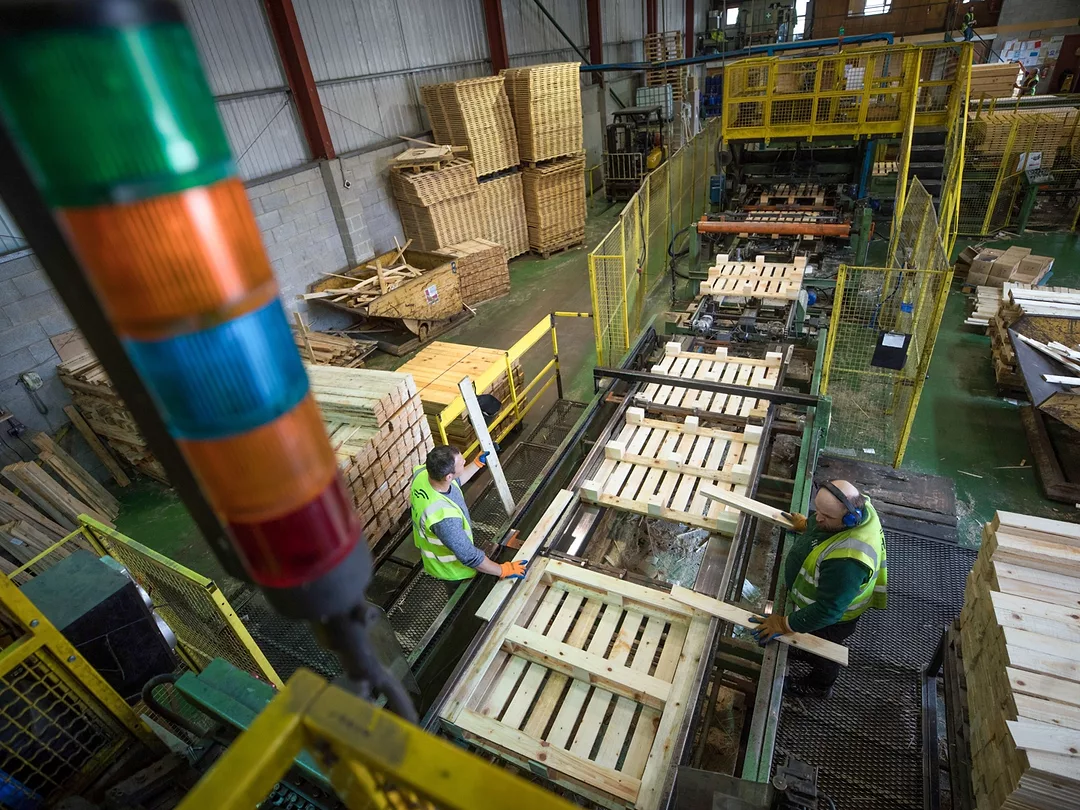
Lumber has been in the spotlight as red-hot housing markets, especially in advanced economies, are driving up costs for the commodity.
Fed Chairman Jerome Powell said last week the central bank was watching that market closely, even though he doesn’t currently have financial stability concerns around housing. Still, the sector has been emblematic of the K-shaped recovery, with cost surges pricing out middle-income buyers while homeowners reap gains.
Markets have responded more calmly of late to the Fed’s mantra, with bond yields little changed after Powell last week doubled down on his inflation read and still-easy policy stance. The inflation run across so many materials, though, could break that patience, as pressure builds on businesses and officials to ward off price increases for consumers.
“One always has to be careful not to overplay a few anecdotes, and project that onto the broader economy,” Douglas Porter, chief economist at BMO Capital Markets, said in a May 1 report. “But as the anecdotes accumulate, they eventually become data.”
Porter pointed to a sampling of 10 recent datasets, including U.S. employment costs, Canadian wages and still-soaring shipping costs.
“As rising inflation risks suggest,” he said, “when you run things hot, you risk getting burned.”
Popular Stories





100 Great Supply Chain Partners 2026: The Secret to Supply Chain Success
VIEW THE LATEST ISSUECase Studies


Visit Our Sponsors |
|
|
|
|
|
|
|
|
|
|
|
|
|
|
|
|
|
|
|
|
|
|
|
|
|
|
|
|
|
|
|
|
|
|
|
|
|
|
|
|
|
|
|
|
|
|
|
|
|
|
|