.webp?height=100&t=1784121195&width=150 "018_what's_holding_back_ai_initiatives-_v1-(540p).png")
Ship Carrying EVs Abandoned in Pacific After Catching Fire
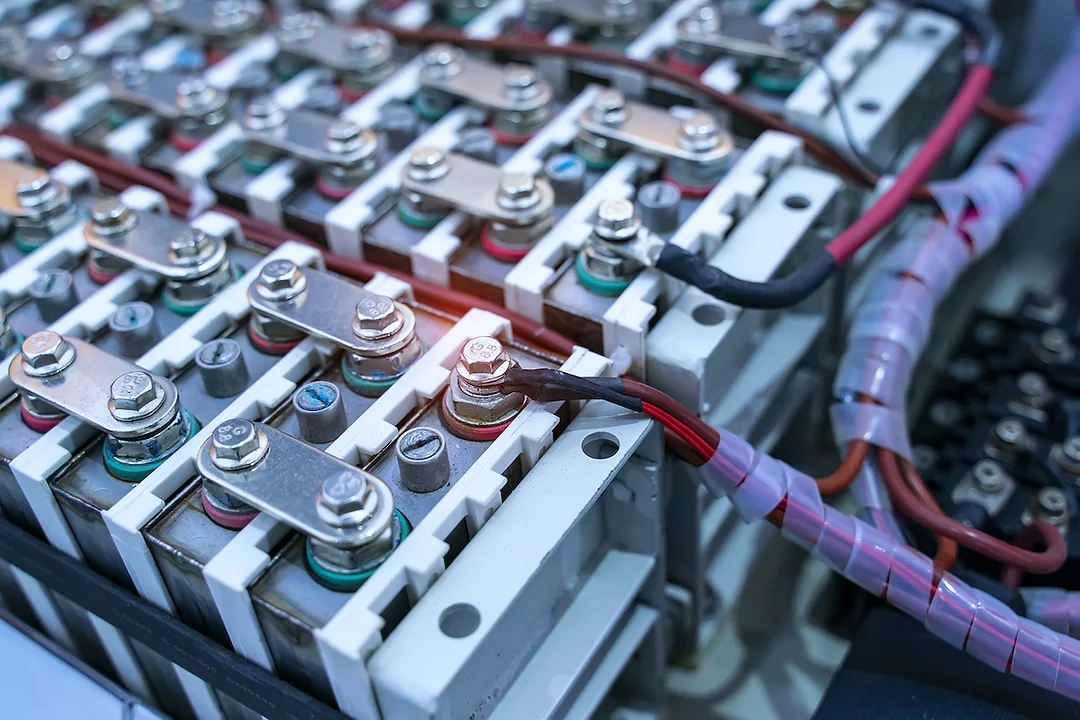
Photo: iStock.com/kynny
A ship carrying about 3,000 cars to Mexico was abandoned in the middle of the Pacific Ocean after catching fire June 3, highlighting a growing risk to the transportation of electric vehicles.
Smoke was first seen coming from a deck on the Morning Midas that was carrying about 800 EVs, the ship’s manager Zodiac Maritime said in a statement. The crew initiated firefighting procedures, but the blaze could not be brought under control, it added.
The U.S. Coast Guard evacuated all 22 crew members, transferring them to a nearby merchant ship.
The 46,800-ton Morning Midas, built in 2006 by China’s Xiamen Shipbuilding Industry Co., departed the Chinese port of Yantai on May 26, according to ship-tracking data compiled by Bloomberg. Prior to that it called at two other ports in the country, Nansha in the south and Shanghai.
Demand for lithium-ion batteries, including in EVs, is bringing a new risk to the global shipping industry, particularly given the value of the vehicles on board the largest car-carrying vessels, according to a report last month by insurance giant Allianz.
While such ships haul thousands of vehicles at a time across the world’s oceans, a handful of significant blazes have raised concerns about transporting them. Such incidents can have major ramifications for carmakers, shipowners and the firms that insure them.
Fires involving EVs are often harder to extinguish and more dangerous to fight. The conditions of a tightly packed car-carrying cargo ship lead to limited ventilation, which can rapidly intensify heat. The confined, steel-lined environment makes fire suppression and rescues significantly more dangerous.
#BREAKING (1/2) U.S.CG responding to fire onboard 600ft cargo ship Morning Midas with 22 people aboard 300 mi SW of Adak- No reported injuries- Ship’s crew actively fighting fire- 3 vessels on scene to assist- U.S.CG aircrews en route to Adak - U.S.CG Cutter en route to the area
— U.S.CGAlaska (@U.S.CGAlaska) June 4, 2025
Additionally, when an electric vehicle burns, it does so for longer and the fire gets hotter. The flames can end up accelerating through chain reactions and spiraling out of control quickly, a process called thermal runaway. EV fires can take up to 8,000 gallons of water to cool the lithium-ion batteries.
In 2022, a vessel carrying about 4,000 vehicles caught fire in the Atlantic, and ended up sinking despite efforts to tow it to safety. A year later another ship with close to 3,000 cars on board caught fire near the Dutch coast.
Shipowners have taken steps to try to manage the safety risks involved in hauling electric vehicles. In 2024, a key safety group published guidelines on how to deal with fires on board the vessels.
Popular Stories





SupplyChainBrain 2026 ESG Guide: ESG — The Supply Chain’s Biggest Secret
VIEW THE LATEST ISSUECase Studies


Visit Our Sponsors |