
Mercedes Car Sales Drop as Tariffs Crimp Demand in U.S., China
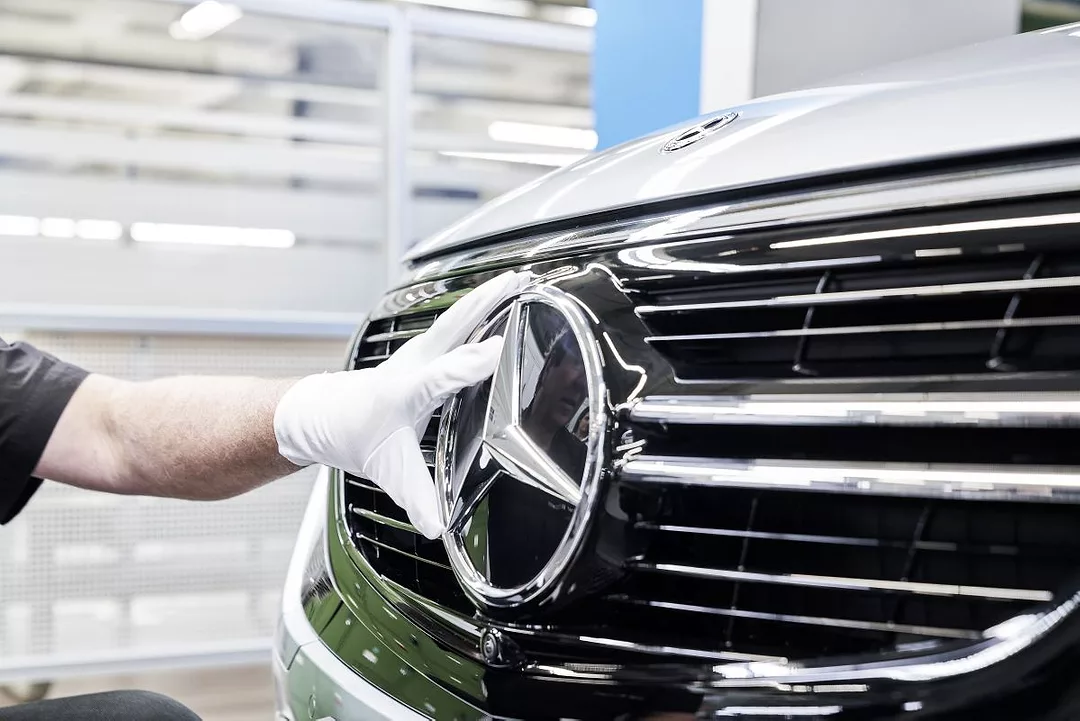
An employee fits a Mercedes-Benz AG star badge in Bremen, Germany. Photo: Bloomberg
Mercedes-Benz Group AG’s vehicle sales declined in the second quarter, after trade tensions led by President Donald Trump’s tariffs dragged down demand in the U.S. and China.
Mercedes’ global car sales fell 9% to 453,700 units from a year earlier, the German company said on July 7. Sales dropped 12% in the U.S. and 19% in China — two key markets where Mercedes models face import duties.
Despite the downturn, Mercedes shares edged higher after the figures were released. Warburg analyst Marc-René Tonn said the results represent a slight improvement over the first quarter, and were somewhat better than the company’s own guidance had suggested.
They still highlight the growing toll of trade disputes on Mercedes, especially for its U.S.-built vehicles destined for China. The company produces large SUV models like the GLS and GLE at its plant in Tuscaloosa, Alabama, and ships them to China. After the U.S. raised tariffs on Chinese goods, Beijing retaliated with a 10% levy on American-made SUVs, further curbing demand.
Tariffs have exacerbated a more structural decline for Western automakers in China, where local manufacturers led by BYD Co. are dominating the electric-vehicle segment. Mercedes has struggled selling battery-powered cars including the EQS, the electric version of its flagship S-Class limousine.
Sales of Mercedes-Benz EVs fell 24% in the second quarter compared to a year earlier. The company said orders for its upcoming CLA sedan — built on a new electric-first platform designed to maximize range — are gaining momentum.
Popular Stories





100 Great Supply Chain Partners 2026: The Secret to Supply Chain Success
VIEW THE LATEST ISSUECase Studies


Visit Our Sponsors |
|
|
|
|
|
|
|
|
|
|
|
|
|
|
|
|
|
|
|
|
|
|
|
|
|
|
|
|
|
|
|
|
|
|
|
|
|
|
|
|
|
|
|
|
|
|
|
|
|
|
|