.webp?height=100&t=1782792122&width=150 "005_veteran_winemaker_gallo_embarks_on_an_ai_journey_v2-(540p).jpg")
Sanctions Blight Arctic Route to China for Russia’s Oil Shippers
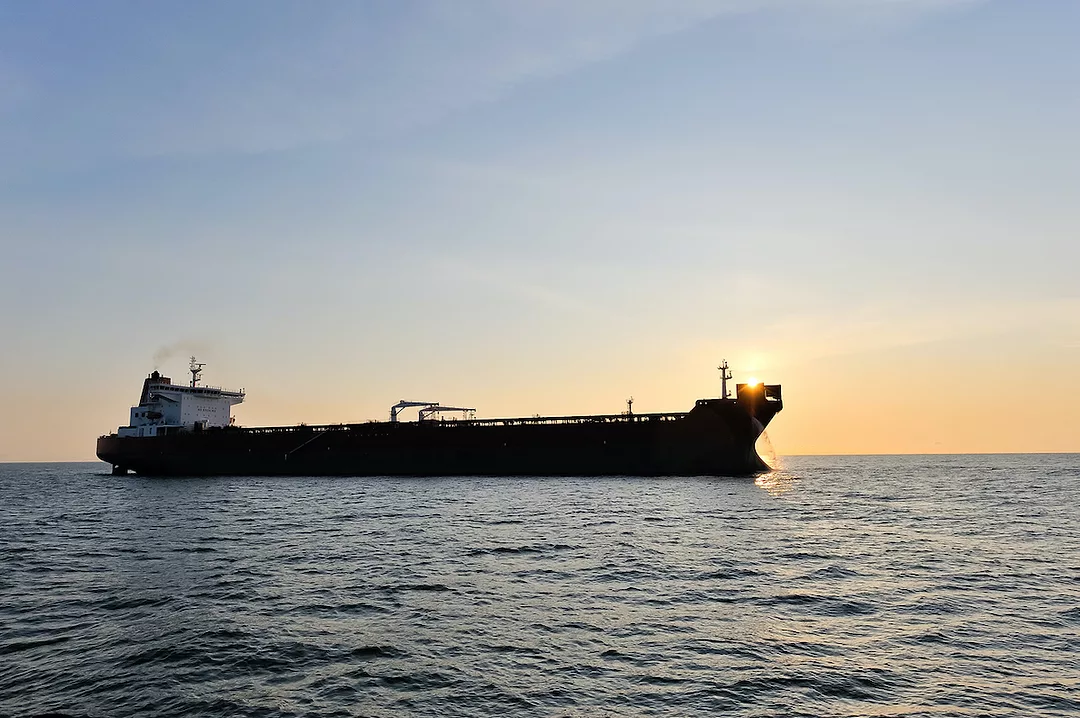
Photo: iStock.com/Alexey Bakharev
Russia’s oil shipments through the Arctic Ocean are encountering increasing delays because of U.S. sanctions, a fresh example of how the measures are adding friction to Moscow’s energy trade.
Ocean-going tankers have taken almost three weeks longer this year than last to deliver crude oil to northern China from Russia’s Arctic and Baltic Sea ports via the Northern Sea Route. The average voyage, from loading to discharge, has lasted about seven weeks this year, with several ships still to complete their deliveries. All those deployed are under sanctions from the U.S. Office of Foreign Assets Control.
The increased voyage times contrast with those via the Suez Canal, which have risen only slightly. Most of those shipments are made on vessels that haven’t been targeted by the U.S.
The snarls are evidence of how U.S. measures are complicating Russia’s oil trade, while not stopping it. Russian seaborne crude exports have fallen in recent weeks, according to tanker-tracking data compiled by Bloomberg, and on November 13 the International Energy Agency said that U.S. sanctions pose a “considerable downside risk” to its outlook for the country’s production.
In October, Washington blacklisted Russia’s top two producers in an effort to get Moscow to end the war in Ukraine. It means exporters covering about 70% of flows — along with a vast number of tankers — are now sanctioned.
The Northern Sea Route along Russia’s Arctic coast should offer faster deliveries to northern China than the normal journey via the Suez Canal. Using the northern route virtually halves the length of the voyage from Murmansk and reduces the distance from the Baltic ports of Primorsk and Ust-Luga by 30%.
Out of 18 crude oil shipments through the Arctic this year — down from 20 last year — 11 vessels then carried out ship-to-ship transfers near Russia’s Pacific coast, with their digital transponders not emitting signals.
The practice — which involves moving oil from one tanker to another out at sea — makes it harder to track where the cargoes are headed. It also adds an extra layer of cost and time to deliveries.
All of the tankers that hauled crude through the Arctic this year have been sanctioned by the U.S. Most have also been blacklisted by the U.K. and the European Union. The delays and cargo switches are similar to those experienced by the small number of U.S.-sanctioned vessels loading Russian crude at the Pacific port of Kozmino.
The cargoes are eventually being offloaded at Chinese ports.
Popular Stories



SupplyChainBrain 2026 ESG Guide: ESG — The Supply Chain’s Biggest Secret
VIEW THE LATEST ISSUECase Studies


Visit Our Sponsors |
|
|
|
|
|
|
|
|
|
|
|
|
|
|
|
|
|
|
|
|
|
|
|
|
|
|
|
|
|
|
|
|
|
|
|
|
|
|