Chinese Auto Parts Pour into German Car Market
Chinese automotive suppliers are inundating Germany with low-cost components, piling pressure on local manufacturers already grappling with muted demand and elevated costs, according to labor officials.
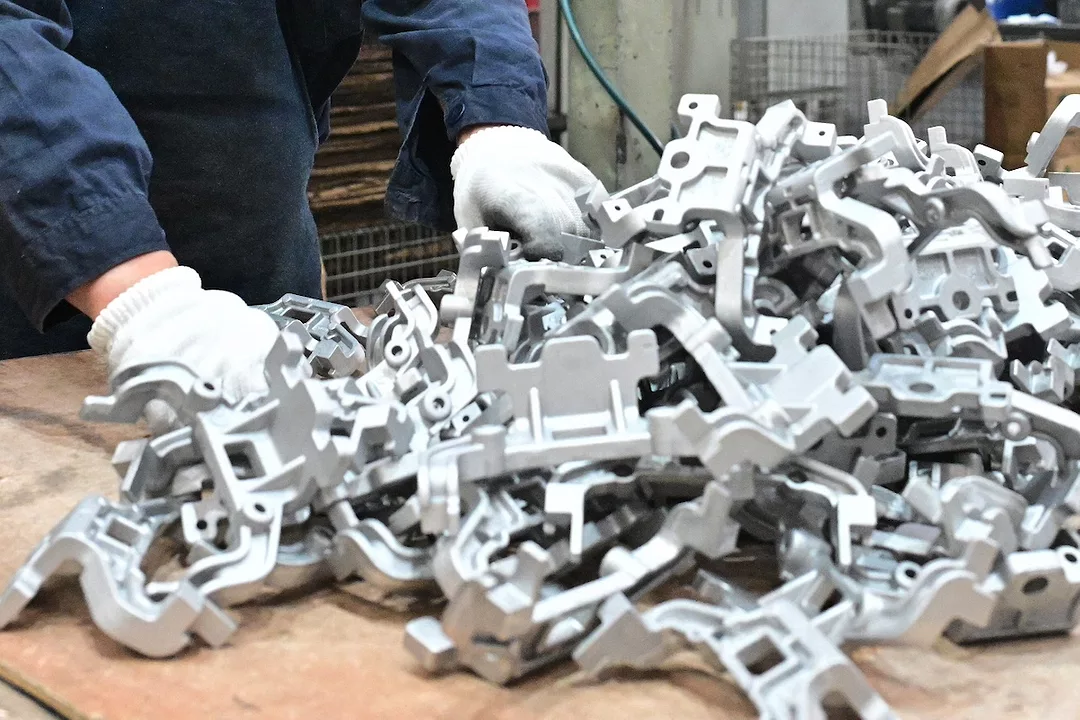
The influx of electrical systems and forged metal parts is hitting companies including Robert Bosch GmbH, Mahle GmbH and other manufacturers. The imbalance threatens local production, with China’s industrial upgrades narrowing quality gaps that used to protect German firms.
The squeeze on Germany’s supplier base is part of a Chinese expansion that’s rattling the country’s industrial core. China, once a driver of sales and profit for German automakers, is increasingly becoming an equally capable rival. Imports of Chinese vehicles and components to Germany have surged since the pandemic, and the likes of BYD Co. and Contemporary Amperex Technology Co. Ltd. are dominating on EVs and the batteries needed to run them.
The shift is reverberating through the supplier landscape. Company officials said the accelerating flow of low-cost Chinese inputs is squeezing margins, eroding order volumes and testing the resilience of a supply chain already strained by the transition to EVs and a protracted downturn in European car production. Several companies have started to cut output and jobs.
Fresh data has reinforced the concerns. A recent analysis from the Cologne-based German Economic Institute identified sharp increases in Chinese imports across several component categories, including a near tripling of gearbox parts for combustion-engine vehicles.
A survey by European supplier association CLEPA found that nearly 70% of European parts makers now face direct competition from Chinese imports — a 12-percentage-point jump over the previous study from late March. The pressure is taking a toll, the group said, with a majority of suppliers expecting profitability to fall below the 5% minimum needed to sustain investment.
“Without decisive measures, parts manufacturing in Europe risks disappearing, as companies are forced to relocate or shut down, jeopardizing employment and expertise,” said Benjamin Krieger, CLEPA’s secretary general.
Some firms are already feeling the squeeze. At Mahle, general works council chairman Boris Schwürz said Chinese rivals are moving into product areas long dominated by German manufacturers. Some offers reaching automakers arrive at “prices that in certain cases are clearly below manufacturing cost,” he said, adding that Volkswagen AG, BMW AG and Mercedes-Benz Group AG are buying the Chinese parts.
Suppliers from the Asian country are now offering equivalent products “20% to 30% cheaper,” according to Bosch labor representative Frank Sell. Europe may need to reconsider whether foreign manufacturers should be required to carry out part of their production within the region, he said.
The trend goes beyond pure automotive components. When it comes to toolmaking, long a successful niche for German engineering firms, auto supplier PWO AG is seeing an increase in simple milled parts from China, the company’s works council chief Andreas Bohnert said.
Popular Stories





100 Great Supply Chain Partners 2026: The Secret to Supply Chain Success
VIEW THE LATEST ISSUECase Studies


Visit Our Sponsors |
|
|
|
|
|
|
|
|
|
|
|
|
|
|
|
|
|
|
|
|
|
|
|
|
|
|
|
|
|
|
|
|
|
|
|
|
|
|
|
|
|
|
|
|
|
|
|
|
|
|
|