
Regulators Extend Moratorium on New England Shrimp Fishing
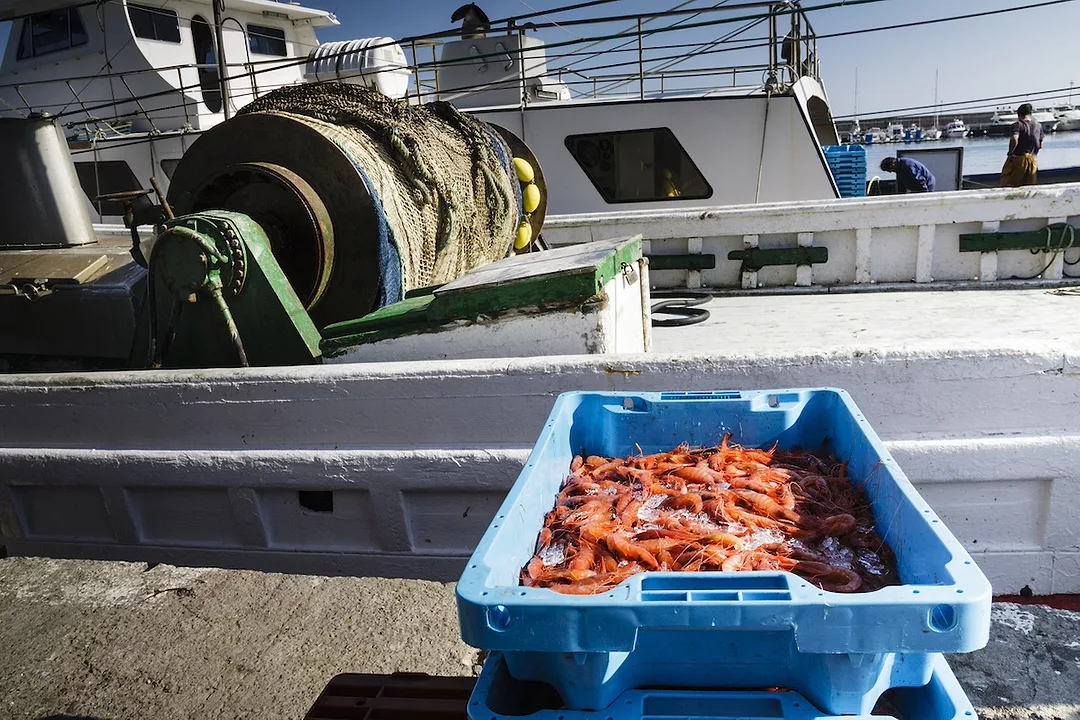
The Atlantic States Marine Fisheries Commission voted to extend a moratorium on catching shrimp off the New England coast, as the shellfish's population has continued to dwindle because of rising ocean temperatures.
The Associated Press reports that on December 11 the ASMFC extended the shutdown — which dates back to 2014 — for at least another three years, citing persistently low local shrimp populations despite moderately improved environmental conditions. Prior to the regulatory agency's vote, harvesters were allowed to catch a small number of shrimp for sampling and data collection purposes, however poor weather meant fishermen were only able to catch 70 shrimp.
"Even with the bad weather, exceptionally low catch levels observed throughout the program reinforce concerns about the viability of the northern shrimp stock in the Gulf of Maine," the ASMFC noted in its report on the data collection process.
Fishermen in Maine were known to catch more than 10 million pounds of shrimp yearly in the early 2010s, before that number fell to just 600,000 in 2013. By the time the moratorium was imposed in 2014, scientists had determined that the rapid warming of the Gulf of Maine — one of the fastest-warming ocean regions in the world — had pushed the coldwater species' population beyond sustainable levels.
In the years since the moratorium, industry data shows that the U.S. shrimp supply has been dominated by imports, with import volumes reaching hundreds of thousands of metric tons annually from countries such as India and Ecuador. According to data from market research firm Renub, shrimp is also the most widely-consumed seafood in the United States, and the U.S. is the world's leading consumer of the crustacean.
Popular Stories




100 Great Supply Chain Partners 2026: The Secret to Supply Chain Success
VIEW THE LATEST ISSUECase Studies


Visit Our Sponsors |
|
|
|
|
|
|
|
|
|
|
|
|
|
|
|
|
|
|
|
|
|
|
|
|
|
|
|
|
|
|
|
|
|
|
|
|
|
|
|
|
|
|
|
|
|
|
|
|
|
|
|