Shipping Bottlenecks Likely to Persist Long After Hormuz Reopens

Photo: iStock / FarzadFrames
Although Iran and the United States have reportedly reached a tentative deal to reopen the Strait of Hormuz, it could take months for shipping traffic in the region to fully return to normal.
According to CNN, the deal between the U.S. and Iran is set to be signed on June 19. However, the exact terms of the agreement regarding the status of the Strait of Hormuz have varied depending on the source. While President Donald Trump has claimed that the Strait of Hormuz will be "permanently toll free" as part of the deal, Iranian news agencies have said that transits through the waterway will only be free for a 60-day window to allow for further negotiations.
Even if traffic fully returns to the strait when (or if) the deal becomes official, the months-long global supply chain crisis won't simply resolve itself overnight.
"No relief is in sight for the foreseeable future," said European Central Bank policymaker Joachim Nagel on June 15. "On the contrary: even if the Strait of Hormuz were to become navigable again soon, it will take months for the oil supply to return to normal."
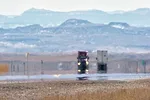
That's due to several factors. First and foremost, hundreds of tankers that have been stranded in the strait still need to complete voyages that began months ago. Shipping schedules also need to be rebuilt, insurers need to feel confident that the waterway is safe in the long term, and Middle East oil refiners need time to spin back up to full capacity.
And all of that is assuming that the deal actually holds, which is far from guaranteed, given the frequent fits and starts for talks between Iran and the U.S. Israel's strikes in Lebanon remain a key sticking point too — Iran has made it clear that any agreement must include a ceasefire in Lebanon, while Israel's refusal to withdraw its troops has continued to complicate negotiations.
Popular Stories





SupplyChainBrain 2026 ESG Guide: ESG — The Supply Chain’s Biggest Secret
VIEW THE LATEST ISSUECase Studies


Visit Our Sponsors |
|
|
|
|
|
|
|
|
|
|
|
|
|
|
|
|
|
|
|
|
|
|
| |
|
|
|
|
|
|
|
|
|
|
|
|
|
|
|