
SCB FEATURE
Early Freeze Tests Great Lakes Supply Chains
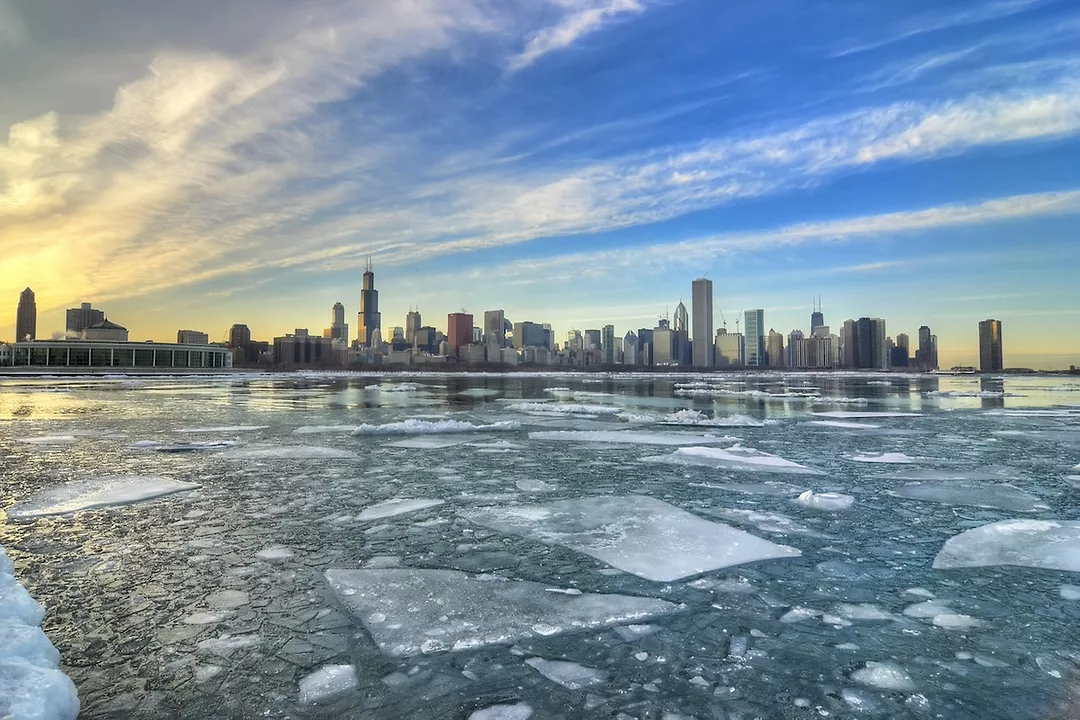
Photo: iStock / chrisp0
Winter is settling in across the Great Lakes, and with it comes slower ship movements, tighter schedules, and a familiar winter scramble to keep cargo moving before frozen waterways bring the region's shipping season to a halt.
The start of winter in the Great Lakes area featured a lengthy stretch of below-average temperatures between late November and mid December, allowing ice to quickly form and spread across shallow bays, rivers and key navigation channels. To date, the Great Lakes as a whole are just shy of 15% ice coverage, up from the 10% average for this time of year, according to AccuWeather meteorologist Brandon Buckingham.
"The lakes are ahead of pace currently in terms of ice coverage," he says. "With the expectation of below-average temperatures during the month of February, we could very well see total lake ice coverage exceed 50%, which is around 10% higher than average ice coverage."
Read More: Icy Waters Snarl Winter Shipping Traffic Through Great Lakes
These conditions have sparked concerns among operators moving cargo through the Great Lakes, particularly as the sudden onset of winter conditions has forced the U.S. Coast Guard and Canadian Coast Guard to focus primarily on using their limited supply of icebreaker ships to remove floating navigational equipment. According to the Lake Carriers Association (LCA), the CCG has also not provided any assets to Great Lakes icebreaking efforts this winter, while the USCG's only heavy icebreaker, the Mackinaw, has reportedly been "missing in action," along with several smaller icebreaking 140-foot tugs and an ice-capable buoy tender.
In a statement to SupplyChainBrain, the USCG clarified that its icebreaking assets are deployed based on operational priorities, weather conditions and the needs of the maritime community, and pointed out that its cutters provided assistance to six vessels impacted by ice over the weekend of January 3-4. We are awaiting a response from CCG on the current status of its own icebreaking assets.
In the meantime, commercial vessels have still been left to contend with thickening ice in some of the region’s most critical corridors, increasing the risk of delays and missed end-of-season shipping windows. The LCA also warns that even short disruptions can cascade quickly at this time of year, when vessels are already racing against scheduled lock closures and narrowing weather windows to deliver bulk commodities such as iron ore, steel, coal and grain before winter shutdowns take full effect.
"This is a major national security problem, if steel mills in the U.S. cannot have a reliable supply chain during the winter," said LCA president Jim Weakley in a January 2 news release.
Pressure on operators is especially acute in the final weeks of the navigation season, ahead of the closure of several key chokepoints in January. That includes the Soo Locks, which connects Lake Superior and the lower lakes, and closes on January 15; and the St. Lawrence Seaway, which connects the Great Lakes to the Atlantic Ocean, and is typically scheduled to close around January 5. However, the St. Lawrence Seaway was forced to delay its expected closure this season, according to New York area news station WWNY, with several ships remaining anchored and unable to move in the icy waters along the St. Lawrence River.
The delays along the St. Lawrence also underscore how quickly winter conditions can upend carefully timed end-of-season schedules, even after the seaway’s official closing date. With vessels stuck waiting for ice conditions to ease, and icebreaker ships stretched thin, carriers face difficult decisions about whether to push for final deliveries or stand down for the winter — a calculation that can determine how much inventory shippers and manufacturers in the region will have on hand until lake traffic resumes in the spring.
As ice continues to build and winter tightens its grip, the Great Lakes shipping system is once again being tested by the narrow margins and rigid timelines that define the season’s end. For carriers and cargo owners alike, the coming weeks will determine whether late-season loads make it through, or are left waiting until the spring thaw reopens the lakes.
Popular Stories





SupplyChainBrain 2026 ESG Guide: ESG — The Supply Chain’s Biggest Secret
VIEW THE LATEST ISSUECase Studies


Visit Our Sponsors |
|
|
| |
|
|
|
|
|
|
|
|
|
|
|
|
|
|
|
|
|
|
|
|
|
|
|
|
|
|
|
|