TRANSPORTATION MANAGEMENT
How AI Is Rewriting the Logic of Modern Freight

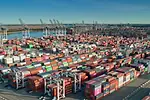
Photo: iStock/cofotoisme
 Analyst Insight: Freight’s biggest constraint is no longer physical capacity — rather, it’s cognitive capacity. The volume of data, exceptions and touchpoints moving through today’s networks has outpaced what even the best-run operations can manually process. Artificial intelligence is emerging not as a convenience, but as an interpretive layer, transforming raw signals into meaningful action. As the industry grows more interconnected, the winners will be those who pair automation with intelligent adaptation.
For decades, logistics innovation focused on speed: Faster rating, faster booking and faster tracking. But the modern freight environment demands something different, not speed for its own sake, but the ability to make sense of constant operational noise and respond with confidence. AI is reshaping freight because it brings structure to complexity, helping teams see what matters, anticipate disruption, and adapt in real time.
The most forward-thinking organizations are moving beyond task automation and embracing AI as a resource that handles chaos, so humans can handle strategy.
Human teams are surrounded by a flood of micro-signals, from status updates and rate shifts, to weather disruptions and capacity changes. AI systems can ingest these signals continuously, interpret the implications, and activate the appropriate next steps, all while also learning from historical actions and outcomes to improve future decisions. This new model reduces the drag of manual triage and shifts freight from a reactive process to a more predictive and stable flow.
AI agents are emerging as autonomous operators within freight ecosystems, executing workflows, coordinating decisions, and interfacing across systems with minimal human oversight. By translating strategic intent into continuous execution, they shorten response cycles, standardize outcomes, and elevate operational control across increasingly complex transportation networks.
Freight markets move in minutes, not months. Rate conditions, capacity availability and risk patterns shift constantly. AI enables real-time decision-making by blending historical data with live inputs and behavioral trends. Instead of relying on static playbooks, companies can now adjust routing, pricing and prioritization based on a moment-by-moment understanding of what’s likely to happen next.
Perhaps the most powerful evolution is freight’s shift from detecting problems to anticipating them. AI systems can identify high-risk geographies, flag loads with increased likelihood of delay, catch document inconsistencies, or alert teams to upstream vulnerabilities before they cascade. The result is a logistics environment where fewer surprises reach the customer, and fewer crises reach the balance sheet.
Collectively, these advancements represent more than technological progress. They define a philosophical shift in freight, from human-led systems augmented by tools, to AI-led systems informed by human judgment. The future belongs to organizations that can orchestrate both.
Resource Link: https://banyantechnology.com
Outlook: In the year ahead, expect freight leaders to push AI beyond efficiency initiatives toward full-scale operational redesign. The differentiator won’t be who adopts AI, but who trusts it to influence, and eventually own, specific decision paths. As networks become more autonomous and anticipatory, logistics will grow less defined by what happened yesterday and more by what can be prevented tomorrow.
Popular Stories



100 Great Supply Chain Partners 2026: The Secret to Supply Chain Success
VIEW THE LATEST ISSUECase Studies


Visit Our Sponsors |
|
|
|
|
|
|
|
|
|
|
|
|
|
|
|
|
|
|
|
|
|
|
|
|
|
|
|
|
|
|
|
|
|
|
|
|
|
|
|
|
|
|
|
|
|
|
|
|
|
|
|