
• Advertise
  • Contact Us
  • Supplier Directory
  • SCB YouTube
  • About Us
  • Login
  • Subscribe
  • Logout
  • My Profile
  • LOGISTICS
    • Air Cargo
    • All Logistics
    • Facility Location Planning
    • Freight Forwarding/Customs Brokerage
    • Global Gateways
    • Global Logistics
    • Last Mile Delivery
    • Logistics Outsourcing
    • LTL/Truckload Services
    • Ocean Transportation
    • Parcel & Express
    • Rail & Intermodal
    • Reverse Logistics
    • Service Parts Management
    • Transportation & Distribution
  • TECHNOLOGY
    • All Technology
    • Artificial Intelligence
    • Cloud & On-Demand Systems
    • Data Management (Big Data/IoT/Blockchain)
    • ERP & Enterprise Systems
    • Forecasting & Demand Planning
    • Global Trade Management
    • Inventory Planning/ Optimization
    • Product Lifecycle Management
    • Robotics
    • Sales & Operations Planning
    • SC Finance & Revenue Management
    • SC Planning & Optimization
    • Supply Chain Visibility
    • Transportation Management
  • GENERAL SCM
    • Business Strategy Alignment
    • Customer Relationship Management
    • Education & Professional Development
    • Global Supply Chain Management
    • Global Trade & Economics
    • Green Energy
    • HR & Labor Management
    • Quality & Metrics
    • Regulation & Compliance
    • Sourcing/Procurement/SRM
    • SC Security & Risk Mgmt
    • Supply Chains in Crisis
    • Sustainability & Corporate Social Responsibility
  • WAREHOUSING
    • All Warehouse Services
    • Conveyors & Sortation
    • Lift Trucks & AGVs
    • Order Management & Fulfillment
    • Packaging
    • RFID, Barcode, Mobility & Voice
    • Warehouse Automation
    • Warehouse Management Systems
  • INDUSTRIES
    • Aerospace & Defense
    • Apparel
    • Automotive
    • Chemicals & Energy
    • Consumer Packaged Goods
    • E-Commerce/Omni-Channel
    • Food & Beverage
    • Healthcare
    • High-Tech/Electronics
    • Industrial Manufacturing
    • Pharmaceutical/Biotech
    • Retail
  • THINK TANK
  • WEBINARS
    • On-Demand Webinars
    • Upcoming Webinars
    • Webinar Library
  • PODCASTS
  • WHITEPAPERS
  • VIDEOS
Home » A Period of Transition: What Fleets Should Expect in 2026
TRANSPORTATION MANAGEMENT

A Period of Transition: What Fleets Should Expect in 2026
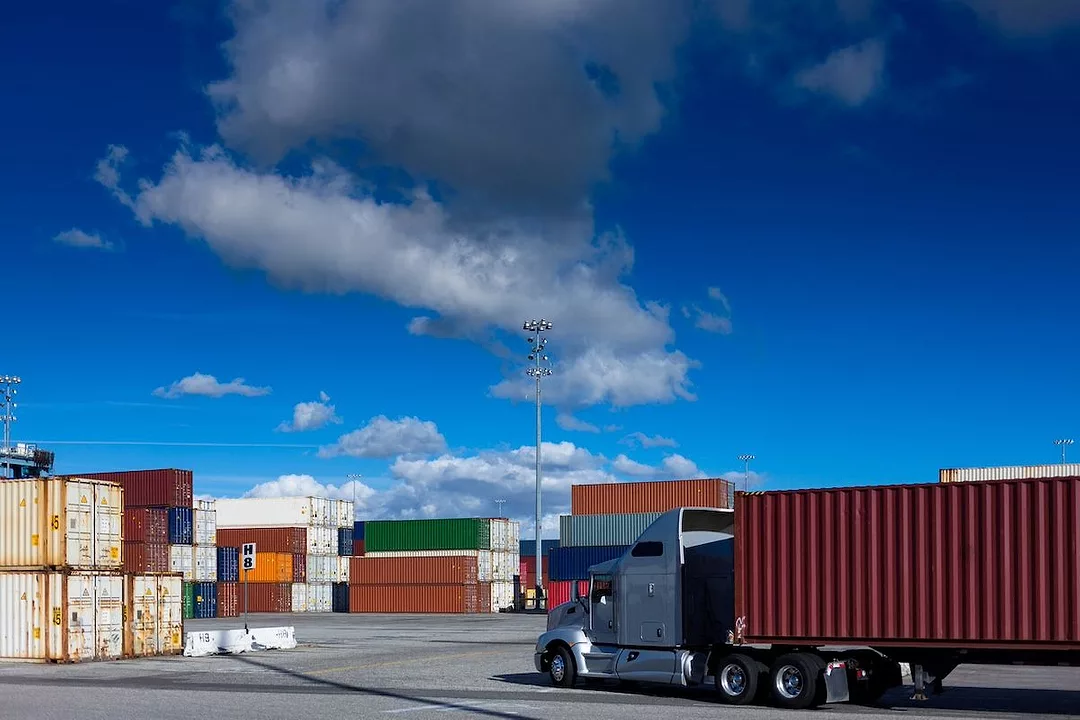
A LOADED TRUCK APPROACHES A DOCK FULL OF CONTAINERS

Photo: iStock/halbergman

February 2, 2026
Arthur Axelrad, Co-Founder & CEO, Dispatch Science

Dispatch-Science-Axelrad.pngAnalyst Insight: Transportation management is entering a period of transition, shaped by the cumulative pressure of customer expectations, operational complexity and rising data demands. As these forces combine, fleets will face new decisions about how they modernize their systems, structure their networks, and prepare for a more interconnected environment in 2026. 

Transportation networks have become significantly more digitally connected. Shippers expect clearer visibility into every stage of delivery. Enterprise clients want steadier, more predictable execution. And fleets are managing a broader mix of customers, service models and operational workflows than at any point in the past decade.

This interconnectedness shapes day-to-day operations. Whether a fleet relies on long-established systems or newer platforms, the challenges look similar: Faster workflows, heavier data demands, and tighter links between every stakeholder involved. As a result, many fleets are rethinking what modernization should mean in practice. Instead of pursuing full system overhauls, they are focusing on the capabilities that support adaptability in a more complex operating environment.

A key shift heading into 2026 is the acceleration of technology cycles. Fleets are updating workflows more frequently, and shippers are revisiting requirements faster than in prior years. With that, there's been a broader industry move toward shorter, more modular release cadences to keep up with this pace.

For many fleets, the advantage comes not from sweeping upgrades, but from systems that evolve steadily and continuously. This approach helps carriers stay aligned with customer expectations and adapt as conditions change.

Across the industry, integration requirements continue to rise. Many shippers now require systems-to-systems connectivity before awarding new business, and even smaller fleets often need multiple enterprise-grade integrations to participate in new opportunities. Recent industry activity reflects this trend, with increasing emphasis on interoperability and connectivity across transportation systems.

Integrations have shifted from occasional IT tasks to a core operational capability. In 2026, a fleet’s ability to integrate cleanly and predictably may influence growth just as much as its physical assets.

The amount of data flowing through transportation networks has increased sharply, with more orders, more tracking events and more exceptions. Each signal adds operational complexity, and together they create a far more demanding information environment.

As 2026 progresses, the ability to handle large data volumes smoothly will shape everything from delivery reliability, to customer communication, to network planning. Fleets will need strong methods for aggregating and interpreting their data to navigate exceptions, strengthen performance, and respond quickly as market conditions shift.

Security expectations have also tightened. Over the last year, enterprise contracts across healthcare, biotech, legal, and high-value goods have incorporated stronger requirements around SOC 2, identity management, encryption and auditable workflows. These standards increasingly determine whether a carrier can participate in certain verticals, and they are surfacing earlier in procurement discussions.

As more sensitive industries rely on specialized delivery networks, these requirements will continue to shape how fleets structure their systems and workflows.

Resource Link: https://www.dispatchscience.com/

Outlook: Transportation management in 2026 will be shaped by continued consolidation across the technology landscape, rising expectations from enterprise shippers, and the growing complexity of last-mile and specialized delivery networks. Fleets don’t need to replace systems wholesale, but they will benefit from prioritizing the capabilities most aligned with these realities: Adaptability, integration strength, secure and compliant workflows, and the capacity to harness increasing volumes of operational data. Those investments will form the backbone of resilient, competitive operations in the year ahead.

    RELATED CONTENT

    RELATED VIDEOS

    LTL/Truckload Services Technology Artificial Intelligence Supply Chain Visibility Transportation Management Business Strategy Alignment
    • Related Articles

      What Carriers Should Actually Expect From AI in Their TMS

      Watch: Taking Advantage of Carrier Diversification in 2026

      VW to Halt Exports of EV Bus to U.S. in 2026

    • Related Directories

      Kuebix

    Arthur Axelrad, Co-Founder & CEO, Dispatch Science

    More from this author

    Subscribe to our Daily Newsletter!

    Timely, incisive articles delivered directly to your inbox.

    Featured Product

    Popular Stories

    • A LARGE CYLINDRICAL OBJECT SHRINK-WRAPPED IN WHITE PLASTIC IS LOWERED BY CRANE ONTO A FLAT BED TRUCK ON A DOCK

      AI Boom Has European Buyers Paying Extra to Secure Gas Turbines

      Technology
    • 021_what_is_ai_in_warehousing_and_the_supply_chain- (540p).png

      Watch: What Is AI in Warehousing and the Supply Chain?

      Artificial Intelligence
    • TWO WORKERS IN A WAREHOUSE PUSH ROLLING CARTS LOADED WITH BRIGHT BLUE BINS

      Walmart Caps Usage of an AI Tool for Employees After High Demand

      Artificial Intelligence
    • Close-up hands of unrecognizable man holding and using smartphone standing on city street.

      Five Supply Chain Security Risks Hiding Inside Your Mobile Apps

      Supply Chain Visibility
    • Businessman using AI agent system on laptop computer.

      AI in Supply Chain Can’t Succeed Without Foundational Systems

      Artificial Intelligence

    Digital Edition

    2026 esg cover main scb q2 2026 cover

    SupplyChainBrain 2026 ESG Guide: ESG — The Supply Chain’s Biggest Secret

    VIEW THE LATEST ISSUE

    Case Studies

    • Recycled Tagging Fasteners: Small Changes Make a Big Impact

    • A GRAPHIC SHOWING MULTIPLE FORMS OF SHIPPING, WITH A HUMAN STANDING AT THE CENTER, TOUCHING A SYMBOLIC MAP OF THE WORLD

      Enhancing High-Value Electronics Shipment Security with Tive's Real-Time Tracking

    • A GRAPHIC OF INTERLACING HONEYCOMBED ELEMENTS REPRESENTING GLOBAL BUSINESS TRANSACTIONS

      Moving Robots Site-to-Site

    • JLL Finds Perfect Warehouse Location, Leading to $15M Grant for Startup

    • Robots Speed Fulfillment to Help Apparel Company Scale for Growth

    Visit Our Sponsors

    4flow Arkieva Blue Yonder
    Carton Cloud CoEnterprise Dassault
    Duravant E2Open General Logistics Systems
    Hy-Tek iGPS Korber
    Lyngsoe Procurability Quinyx
    SAP Sikick Systech
    S&P Global Mobility TADA TransImpact
    US Bank Werner Enterprises WSI
    • More From SCB
      • Featured Content
      • Video Library
      • Think Tank Blog
      • SupplyChainBrain Podcast
      • Whitepapers
      • On-Demand Webinars
      • Upcoming Webinars
    • Digital Offerings
      • Digital Issue
      • Subscribe
      • Manage Email Preferences
      • Newsletters
    • Resources
      • Events Calendar
      • 2026 Event Coverage
      • SCB's Great Supply Chain Partners
      • Supplier Directory
      • Case Study Showcase
      • Supply Chain Innovation Awards
      • 100 Great Partners Form
    • SCB Corporate
      • Advertise on SCB.COM
      • About Us
      • Privacy Policy
      • Contact Us
      • Data Sharing Opt-Out

    All content copyright ©2026 Keller International Publishing Corp All rights reserved. No reproduction, transmission or display is permitted without the written permissions of Keller International Publishing Corp

    Design, CMS, Hosting & Web Development :: ePublishing