• Advertise
  • Contact Us
  • Supplier Directory
  • SCB YouTube
  • About Us
  • Login
  • Subscribe
  • Logout
  • My Profile
  • LOGISTICS
    • Air Cargo
    • All Logistics
    • Facility Location Planning
    • Freight Forwarding/Customs Brokerage
    • Global Gateways
    • Global Logistics
    • Last Mile Delivery
    • Logistics Outsourcing
    • LTL/Truckload Services
    • Ocean Transportation
    • Parcel & Express
    • Rail & Intermodal
    • Reverse Logistics
    • Service Parts Management
    • Transportation & Distribution
  • TECHNOLOGY
    • All Technology
    • Artificial Intelligence
    • Cloud & On-Demand Systems
    • Data Management (Big Data/IoT/Blockchain)
    • ERP & Enterprise Systems
    • Forecasting & Demand Planning
    • Global Trade Management
    • Inventory Planning/ Optimization
    • Product Lifecycle Management
    • Robotics
    • Sales & Operations Planning
    • SC Finance & Revenue Management
    • SC Planning & Optimization
    • Supply Chain Visibility
    • Transportation Management
  • GENERAL SCM
    • Business Strategy Alignment
    • Customer Relationship Management
    • Education & Professional Development
    • Global Supply Chain Management
    • Global Trade & Economics
    • Green Energy
    • HR & Labor Management
    • Quality & Metrics
    • Regulation & Compliance
    • Sourcing/Procurement/SRM
    • SC Security & Risk Mgmt
    • Supply Chains in Crisis
    • Sustainability & Corporate Social Responsibility
  • WAREHOUSING
    • All Warehouse Services
    • Conveyors & Sortation
    • Lift Trucks & AGVs
    • Order Management & Fulfillment
    • Packaging
    • RFID, Barcode, Mobility & Voice
    • Warehouse Automation
    • Warehouse Management Systems
  • INDUSTRIES
    • Aerospace & Defense
    • Apparel
    • Automotive
    • Chemicals & Energy
    • Consumer Packaged Goods
    • E-Commerce/Omni-Channel
    • Food & Beverage
    • Healthcare
    • High-Tech/Electronics
    • Industrial Manufacturing
    • Pharmaceutical/Biotech
    • Retail
  • THINK TANK
  • WEBINARS
    • On-Demand Webinars
    • Upcoming Webinars
    • Webinar Library
  • PODCASTS
  • WHITEPAPERS
  • VIDEOS
Home » Lower Tariffs for U.S. Importers in 2026? Don’t Count on It
SCB FEATURE

Lower Tariffs for U.S. Importers in 2026? Don’t Count on It
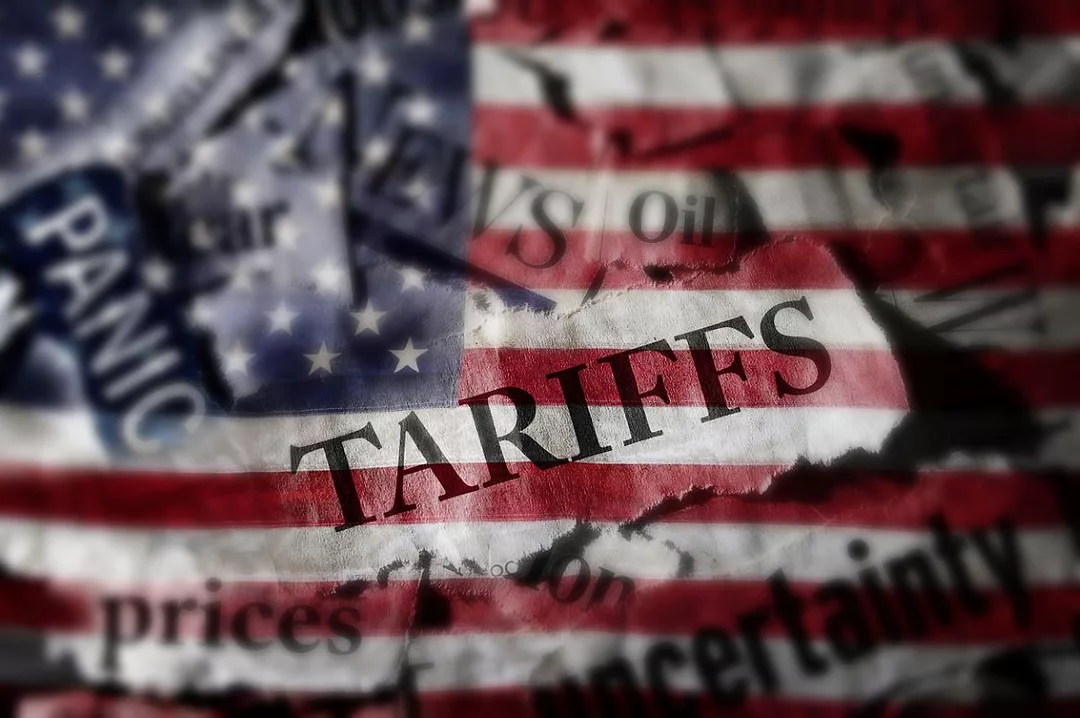
Tariffs news headlines over an American flag

Image: iStock/zimmytws

January 26, 2026
Robert J. Bowman, SupplyChainBrain

Importers might be hoping that the broad tariffs imposed on their products by President Trump early this year and last will be tempered in 2026, as consumers find themselves grappling with higher prices. Good luck with that.

With the exception of certain categories such as agriculture, which was granted an exemption from duties for specific farm products late last year, expect tariffs in 2026 to be “actually more and higher — not just continued,” says Ginger Faulk, partner in the international trade law practice, and leader of the U.S. and global sanctions practice, at Eversheds Sutherland.

Faulk acknowledges that many importers will seek refunds for tariffs imposed by Trump under the International Emergency Economic Powers Act (IEEPA), in the wake of a U.S. Supreme Court ruling (if the Supreme Court so rules) that such action was not authorized by the law. But the President still has several other statutes to which he could turn, as justification for maintaining tariffs on goods from China and other U.S. trading partners. And relief from the IEEPA tariffs would be a drawn-out process, with no guarantee that petitioners will receive full restitution of the billions of dollars in tariffs that they paid out over 2025.

Traders can expect to feel additional pain this year, Faulk says, as U.S. Customs and Border Protection steps up its enforcement efforts. In particular, the agency is partnering with the U.S. Department of Justice to smoke out fraud by encouraging increased whistleblower action. Last year, DOJ’s Criminal Division launched a whistleblower awards pilot program, which qualifies individuals who report corporate fraud to be awarded up to 30% of the recovered amount.

That effort covers all types of corporate fraud, but the Trump Administration has placed a particular target on trade. DOJ has also joined with the Department of Homeland Security in creation of a Trade Fraud Task Force, with a focus on goods originating from China. The unit brings together prosecutors from DOJ, and investigators from CBP, “to bring robust enforcement against importers and other parties who seek to defraud the United States.”

“What I see this means,” comments Faulk, “is that the U.S. is prioritizing criminal prosecution for tariff evasion and Customs fraud as opposed to civil penalties. It aligns these duty issues with other cases.”

Title 18 of the U.S. Code targets anyone facilitating the entry of goods through the making of false statements, subjecting miscreants to criminal prosecution. DOJ could also cite the False Claims Act of 1863 as authority for prosecution of Customs fraud. Use of the latter for punishing underpayment of duties “is not entirely novel,” says Faulk, “but it’s being used more, now that there’s more incentive to engage in Customs fraud.”

Importers who uncover a misstatement of duties within their own organizations can self-report the error to Customs, thereby avoiding additional punitive damages. (They become liable only for the actual amount of the underpayment.) Faulk recommends that they take a close look at their past classification efforts, keeping in mind the five-year statute of limitations on violations.

“It’s becoming less safe to assume that Customs is not going to notice,” she says, citing tighter oversight capabilities due to Customs modernization initiatives such as the agency’s Global Business Identifier Test, and the prospect of a digital product passport program, similar to that pioneered by European Union regulators. In addition, CBP’s Trusted Trader Program offers expedited clearance if importers agree to provide transparency into their supply chain compliance efforts, making it tougher to conceal duty misclassifications or underpayments.

All of those efforts to clamp down on Customs fraud are incentivizing importers to think of compliance “not just as something that happens one time at the border, but as an integrated process across the supply chain, where products are increasingly visible to authorities,” Faulk says.

Faulk also encourages importers to take advantage of government programs such as duty drawback and foreign trade zones, as well as engage in legal tariff engineering and close review of existing supplier contracts, to mitigate the impact of Trump’s tariffs and widescale crackdown on Customs fraud. What they shouldn’t do, she adds, is hope for a significant reduction in those tariffs anytime soon.

    RELATED CONTENT

    RELATED VIDEOS

    Global Trade & Economics Regulation & Compliance Sourcing/Procurement/SRM Supply Chain Security & Risk Mgmt
    • Related Articles

      Trump Concedes Lower Tariffs for EU Pharma, Semiconductors

      For U.S. Importers, Cancellation of IEEPA Tariffs Won’t Be the End of the Story

      Survey: Trump Tariffs Proving Costly for U.S. Businesses

    • Related Directories

      ProcureAbility

    Robert J. Bowman, SupplyChainBrain

    Podcast | 15 Years of ‘Vested’: Crafting Effective Relationships With Supply Chain Partners

    More from this author

    Subscribe to our Daily Newsletter!

    Timely, incisive articles delivered directly to your inbox.

    Featured Product

    Popular Stories

    • On Demand - Webinar Descartes Tue Jun 23 2026 11a ET.png

      Descartes AI Exchange: AI Agents for Fleet Performance Management

      General SCM
    • A UNIFORMED OFFICER STANDS NEAR A HIGHWAY WITH TRUCKS ON IT

      U.S. Customs Ramps Up AI Investment in Push to Sharpen Enforcement

      Artificial Intelligence
    • On Demand Webinar - Arkieva - Wed Jun 24 2026 2p ET.png

      Shift Left Planning: Why Many Plans Fail to Execute—and How to Fix It

      Webinars
    • A MAP OF THE STRAIT OF HORMUZ SHOWING DOZENS OF BLUE DOTS DISTRIBUTED THROUGHOUT THE WATERWAY

      Traffic Flows Through Hormuz Despite Shock Ship Attack

      Global Gateways
    • Satellite view of the Strait of Hormuz with white graphic lines representing global shipping lanes and maritime traffic between the Persian Gulf and Gulf of Oman.

      Hormuz Highlights How Maritime Risk Assessment Needs to Change

      Global Gateways

    Digital Edition

    2026 esg cover main scb q2 2026 cover

    SupplyChainBrain 2026 ESG Guide: ESG — The Supply Chain’s Biggest Secret

    VIEW THE LATEST ISSUE

    Case Studies

    • Recycled Tagging Fasteners: Small Changes Make a Big Impact

    • A GRAPHIC SHOWING MULTIPLE FORMS OF SHIPPING, WITH A HUMAN STANDING AT THE CENTER, TOUCHING A SYMBOLIC MAP OF THE WORLD

      Enhancing High-Value Electronics Shipment Security with Tive's Real-Time Tracking

    • A GRAPHIC OF INTERLACING HONEYCOMBED ELEMENTS REPRESENTING GLOBAL BUSINESS TRANSACTIONS

      Moving Robots Site-to-Site

    • JLL Finds Perfect Warehouse Location, Leading to $15M Grant for Startup

    • Robots Speed Fulfillment to Help Apparel Company Scale for Growth

    Visit Our Sponsors

    4flow Arkieva Blue Yonder
    Carton Cloud CoEnterprise Dassault
    Duravant E2Open General Logistics Systems
    Hy-Tek iGPS Korber
    Lyngsoe Procurability Quinyx
    SAP Sikick Systech
    S&P Global Mobility TADA TransImpact
    US Bank Werner Enterprises WSI
    • More From SCB
      • Featured Content
      • Video Library
      • Think Tank Blog
      • SupplyChainBrain Podcast
      • Whitepapers
      • On-Demand Webinars
      • Upcoming Webinars
    • Digital Offerings
      • Digital Issue
      • Subscribe
      • Manage Email Preferences
      • Newsletters
    • Resources
      • Events Calendar
      • 2026 Event Coverage
      • SCB's Great Supply Chain Partners
      • Supplier Directory
      • Case Study Showcase
      • Supply Chain Innovation Awards
      • 100 Great Partners Form
    • SCB Corporate
      • Advertise on SCB.COM
      • About Us
      • Privacy Policy
      • Contact Us
      • Data Sharing Opt-Out

    All content copyright ©2026 Keller International Publishing Corp All rights reserved. No reproduction, transmission or display is permitted without the written permissions of Keller International Publishing Corp

    Design, CMS, Hosting & Web Development :: ePublishing