
U.S. Deep Freeze Wreaks Havoc on Texas Oil Producers, Refiners
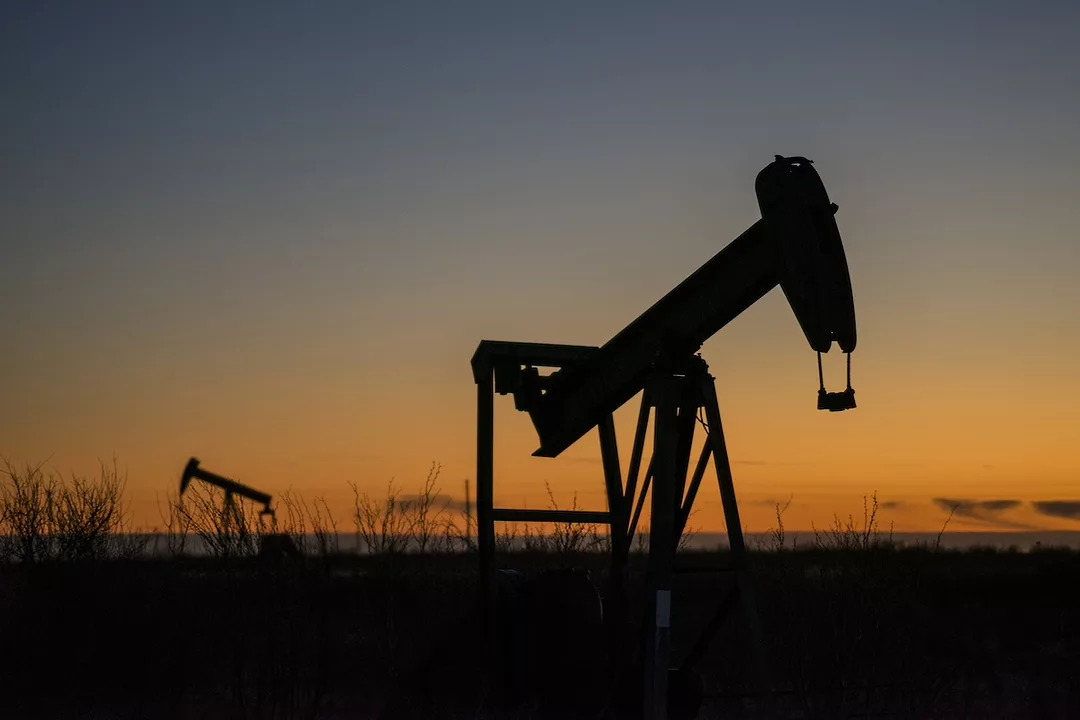
Photo: Matthew Busch, Bloomberg
A massive winter storm that swept the U.S. has crippled oil and gas producers and the industrial plants that refine the raw commodities into everything from gasoline to plastics.
Refinery flares lit up the Houston Ship Channel late January 25 and into the following morning, as a cold front hit the Texas coast and plunged temperatures below freezing. Plants operated by INEOS, Pemex, Shell and LyondellBasell all reported flaring gases, a common safety measure when severe weather causes operational disruptions.
Several plants, including ExxonMobil’s Baytown mega refinery and Goodyear’s Bayport chemicals facility, curtailed operations on January 24 ahead of the freeze. The waterway connecting Houston’s refineries to crude imports and global export markets for their products closed Saturday as the cold front approached and partially re-opened the morning of January 26.
Weather-related refinery issues weren’t just contained to East Houston’s industrial corridor. One of INEOS’s plants on the Texas coast was struck by lighting as the winter storm approached the facility, tripping the site off line, according to a regulatory filing. Farther north in Illinois, where refineries are designed to operated in colder temperatures, Phillips 66’s Wood River plant reported a leak in a piping system due to the winter storm, the company said in a community alert.
Freezing temperatures also caused issues for the companies pulling oil and gas out of the ground in West Texas. Chevron reported hatches freezing open while Anadarko said severe weather made repairs to a leaking water tank challenging. Filing after filing with the state’s environmental regulator tied operational issues to the severe winter weather disaster declaration issued by Texas Governor Greg Abbott headed into the storm.
The freeze has taken about 22% of natural gas production offline in the southern central U.S. corridor, suggesting crude production is likely down 1 million barrels a day, according to TP ICAP Group Plc energy specialist Scott Shelton. Before the freeze, the U.S. was producing just shy of 14 million barrels of oil daily.
In North Dakota, between 80,000 and 110,000 barrels a day of production was offline on January 26 due to the cold, unchanged from two days prior, according to ND Pipeline Authority.
Oil futures traded lower by as much as 0.9% on January 26, with gasoline futures leading the petroleum complex down as much as 1.8% on lower industrial and travel demand. Meanwhile, fuels used in heating and electricity generation such as diesel and natural gas surged with heating oil futures up as much as 4.9%.
Popular Stories





SupplyChainBrain 2026 ESG Guide: ESG — The Supply Chain’s Biggest Secret
VIEW THE LATEST ISSUECase Studies


Visit Our Sponsors |
|
|
| |
|
|
|
|
|
|
|
|
|
|
|
|
|
|
|
|
|
|
|
|
|
|
|
|
|
|
|
|