
Iran Conflict Creates Layers of Uncertainty Across Middle East
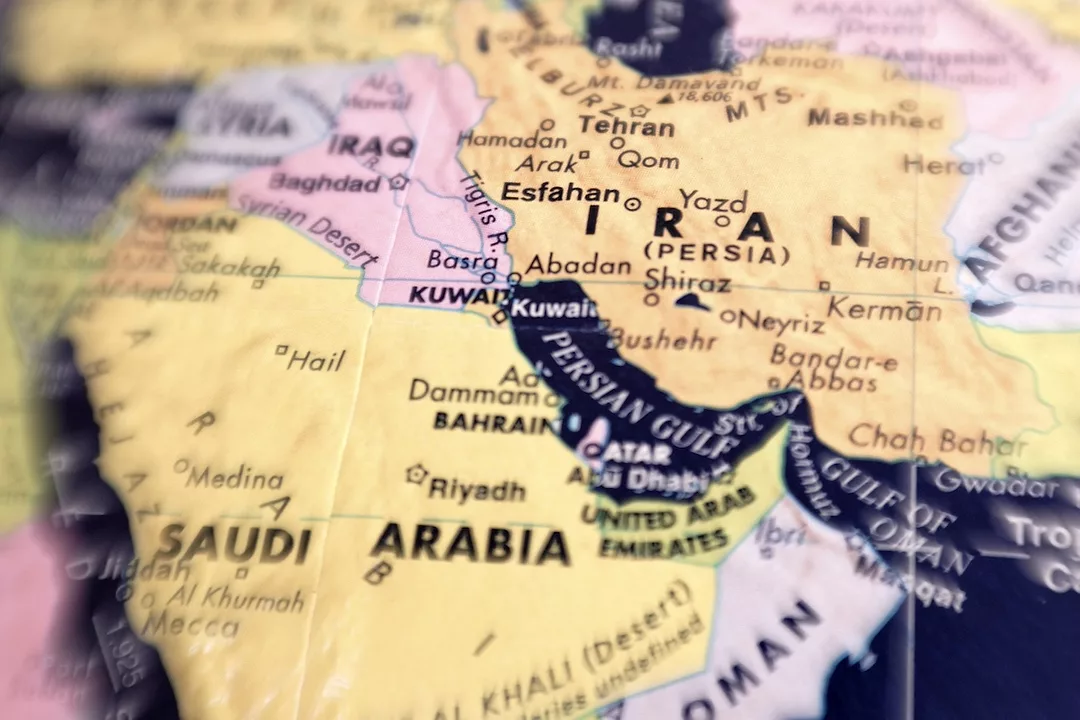
Photo: iStock / aimintang
While much is uncertain about the ongoing conflict between the U.S. and Iran, what's clear is that impacts on oil prices, Middle East economies and shipping through the region are already rippling across global supply chains.
According to an analysis from Oxford Economics, the recent closure of the Strait of Hormuz could cause the per-barrel price of oil to rise from roughly $65 in January, to just under $80 by the second quarter of the year. And although such a spike would be meaningful for energy markets, economists caution that the broader risk lies less in a single price surge, and more in how it interacts with other mounting geopolitical and trade-related pressures.
"Any disruption in the Strait of Hormuz could be magnified by renewed Houthi attacks in the Red Sea, or an underestimation of Iran's ability to cause a sustained disruption in the Strait of Hormuz," Oxford Economics explained.
Read More: Major Threat to Supply Chains as Scope of U.S.-Iran War Widens
Additionally, the open-ended duration of the conflict — as well as the uncertainty created by regime change — makes it difficult to predict larger long-term impacts. Combined with a constantly-shifting U.S. tariff strategy, the situation layers geopolitical volatility on top of a chaotic trade landscape, leaving shippers and importers with far more questions than answers.
That's without considering the economic cost to Gulf Cooperation Council countries in the region, including Bahrain, Kuwait, Oman, Qatar, Saudi Arabia and the United Arab Emirates. Oxford Economics describes the latest U.S.-Israeli strikes against Iran as a "game changer" for neighboring nations, with the closure of the Strait of Hormuz directly affecting GCC oil export revenues and trade flows to Asia and Europe.
"However, the hit to the economy will spread far beyond the direct impacts associated with the disrupted shipping of oil and gas," Oxford Economics noted. GCC countries are extremely dependent on tourism, with the industry accounting for 10% of the Middle East's GDP in 2024, trailing only the Caribbean, Oceania and the European Union. A protracted conflict in Iran threatens to scare off visitors even after the fighting ends, given that recent bombings in tourist-heavy areas like Dubai are likely to linger in the minds of would-be future travelers.
Popular Stories





SupplyChainBrain 2026 ESG Guide: ESG — The Supply Chain’s Biggest Secret
VIEW THE LATEST ISSUECase Studies


Visit Our Sponsors |
|
|
| |
|
|
|
|
|
|
|
|
|
|
|
|
|
|
|
|
|
|
|
|
|
|
|
|
|
|
|
|