Strait of Hormuz Closure Continues to Drive Surge in Oil Prices
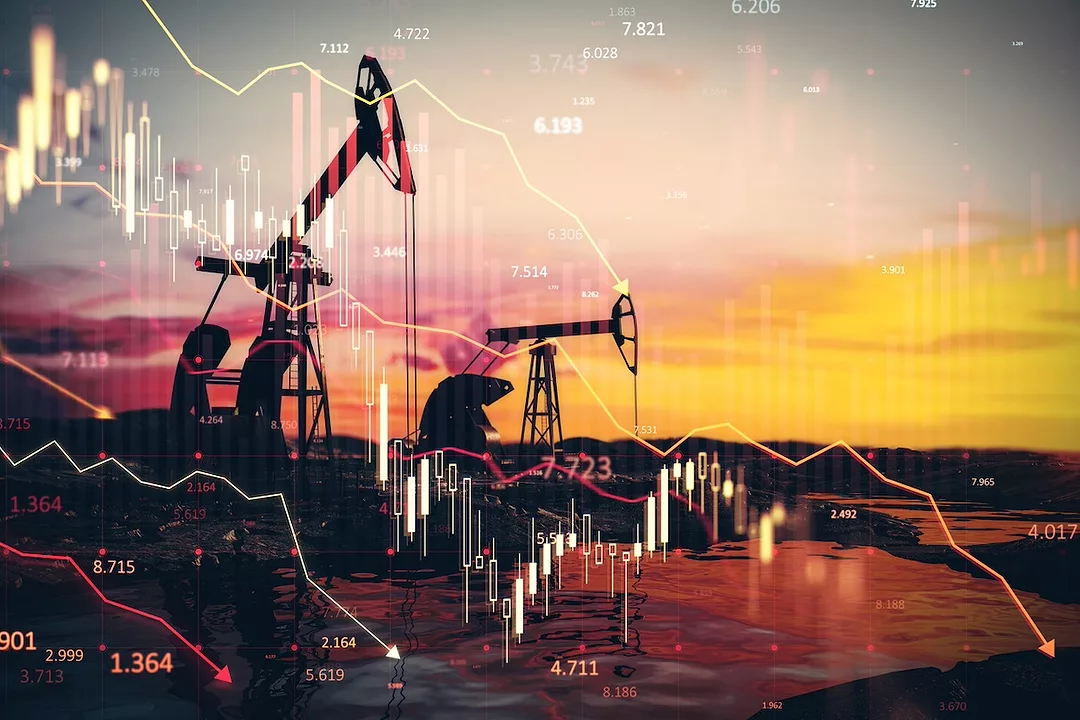
Photo: iStock / peshkov
As Iran indicates that it intends to continue blocking the Strait of Hormuz, concerns are mounting that the disruption could push global oil prices even higher if the standoff drags on.
"We’ve never seen an impact like this," said FlexiVan CEO and former World Shipping Council chair Ron Widdows, during a March 12 briefing with the Port of Los Angeles.
Given that roughly a fifth of the world’s oil shipments normally pass through the Strait of Hormuz, the knock-on effects throughout the Middle East have been "gargantuan," Widdows warned. The disruption has already sent crude prices climbing above $100 per barrel, and any prolonged closure of the waterway threatens to tighten global energy supplies with each passing day.
There appear to be few signs of relief on the horizon too. In his first statement as Iran's new Supreme Leader on March 12, Mojtaba Khamenei said that his regime plans to continue attacking U.S. bases in the region, and that the strait will remain closed moving forward. A day prior, the United States Central Command said that it had attacked 16 Iranian mine-laying vessels near the Strait of Hormuz, fueling concerns about the safety of the vital trade route.
"You cannot in good conscience send a ship through there," Widdows said.
Attempts to rein in oil prices in the meantime have yet to stabilize global markets. The International Energy Agency announced on March 11 that it would release 400 million barrels of oil from their reserves, while the U.S. vowed to contribute 172 million barrels from its Strategic Petroleum Reserve. While crude oil prices briefly dipped directly following the news, they rose back over $90 per barrel by later that same day, before settling back around $100 by early March 12.
The Trump administration also announced plans on March 12 to waive the century-old Jones Act, which would allow foreign-flagged vessels to transport fuel between U.S. ports. While waiving the law could ease domestic supply constraints, it's unclear how much of a larger impact it would actually have on prices, given that the primary driver of the larger crisis remains the disruption to global crude flows through the Strait of Hormuz, rather than shortages in U.S. coastal shipping capacity.
Popular Stories





100 Great Supply Chain Partners 2026: The Secret to Supply Chain Success
VIEW THE LATEST ISSUECase Studies


Visit Our Sponsors |
|
|
|
|
|
|
|
|
|
|
|
|
|
|
|
|
|
|
|
|
|
|
|
|
|
|
|
|
|
|
|
|
|
|
|
|
|
|
|
|
|
|
|
|
|
|
|
|
|
|
|