
U.S. Says It's 'Allowing' Iranian Tankers Through Strait of Hormuz
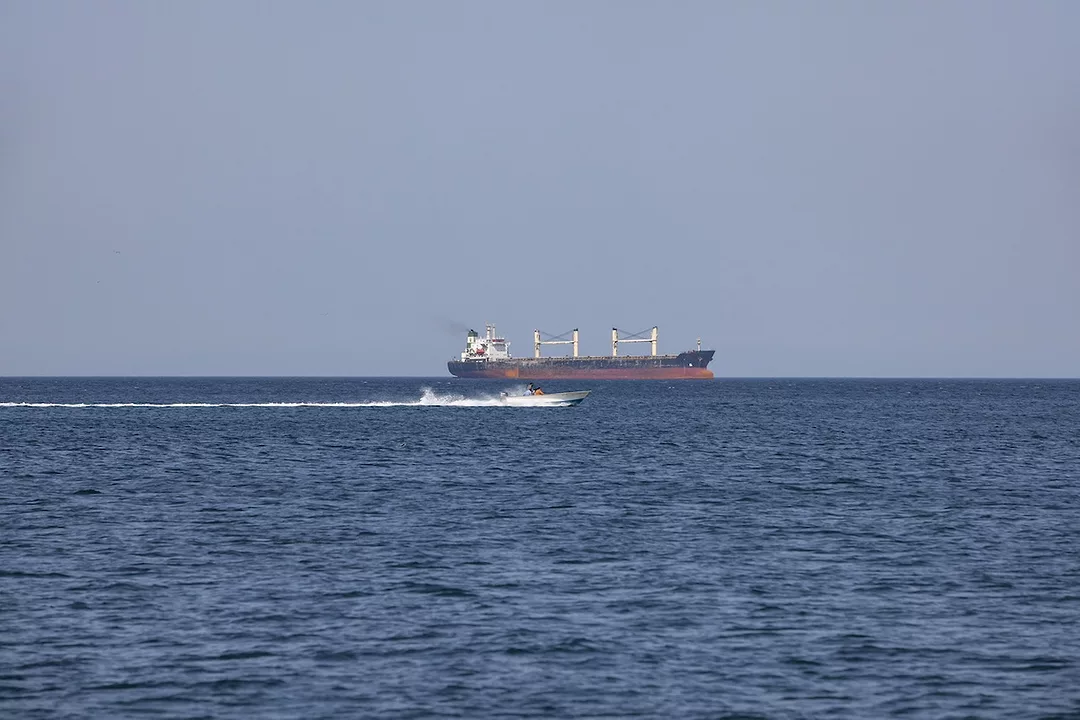
Photo: iStock / 35007
The United States says it is "allowing" Iran's oil tankers through the Strait of Hormuz, as it looks to maintain global energy supplies and prevent oil prices from spiking even further.
Speaking to CNBC's Brian Sullivan on March 16, Treasury Secretary Scott Bessent said that Iranian ships "have been getting out already, and we've let that happen to supply the rest of the world." However, Iran continues to control the vast majority of traffic traffic through the Strait of Hormuz, making it unclear whether the Secretary means the U.S. is simply holding off on attacking ships as they emerge from the Strait and into the Gulf of Oman.
Although most tanker traffic in the region has plummeted since the conflict began, Iran has still been able to export 1.5 million barrels of oil through the strait daily despite a sizable U.S. Navy presence.
The U.S. has sanctions in place designed to prevent many countries from purchasing Iranian oil. China buys around 90% of Iran's oil, while India is dependent on the strait to transport its own supply of LNG. In recent days, India has also sought to reach a deal with Iran to allow 22 ships carrying crude oil, LNG and liquefied petroleum gas to move through the Strait of Hormuz, Reuters reports. In exchange, Tehran is said to be demanding that India release three Iranian tankers that were seized near Indian waters.
An estimated 20% of global oil supplies passed through the strait prior to its recent closure. Since U.S.-Israel attacks in Iran began, oil prices have risen by roughly 40%, creating one of the most significant oil supply disruptions in history, the International Energy Agency warned in a March market report.
As of March 12, two in five logistics organizations have had ocean freight impacted by the conflict in Iran, according to data from supply chain software provider e2open, totaling 11,700 shipments. Another three in seven organizations reported disruptions to air freight, affecting 54,400 shipments.
Popular Stories



100 Great Supply Chain Partners 2026: The Secret to Supply Chain Success
VIEW THE LATEST ISSUECase Studies


Visit Our Sponsors |
|
|
|
|
|
|
|
|
|
|
|
|
|
|
|
|
|
|
|
|
|
|
|
|
|
|
|
|
|
|
|
|
|
|
|
|
|
|
|
|
|
|
|
|
|
|
|
|
|
|
|