
Iran War's Economic Toll Continues to Spread
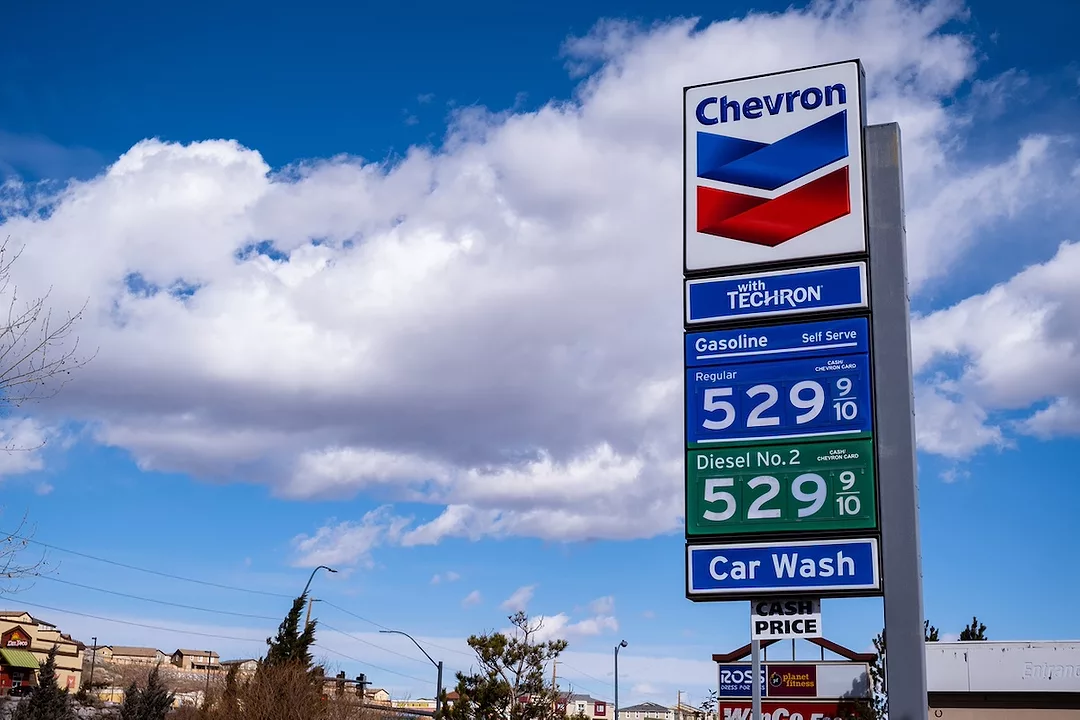
Photo: iStock / Brycia James
The damage the war in Iran is doing to global economies continues to grow, as average per-gallon gas prices in the U.S. crest the $4 mark for the first time in four years, and industrial growth projections slow.
According to gas price tracker GasBuddy, the national U.S. average reached $4 a gallon on March 30, the highest mark the country has seen since August of 2022. GasBuddy also reported a 36% month-to-month price increase between late February and March, representing the largest monthly increase it's ever recorded.
The increase in diesel prices has been even more severe, with per gallon rates rising by 45% month-to-month, and 35 out of 50 states now reporting average prices over $5 a gallon. Of those, six are averaging more than $6 a gallon. Gartner also estimates that total fuel costs for the trucking sector are already up 28% in the U.S. and 20% in Europe, and are continuing to climb each day.
"Can't overstate the impact that's coming down the pipeline to truckers, farmers, logistics, and beyond," said GasBuddy head of petroleum analysis Patrick De Haan in a March 31 post to X. "The U.S. economy runs on diesel, with several states setting new all-time highs for diesel, while others are seeing largest monthly increases of all time."
Globally, Oxford Economics' March 31 update shows the world's industrial growth slowing to 2.5% this year, marking a 0.6% reduction from the group's February forecast. That's been fueled by two main factors — first, higher inflation and lower consumer demand; and second, cost spikes in transportation, utilities and petrochemical sectors. Additionally, shortages of jet fuel in parts of Africa and Asia are expected to reduce exports in the months to come.
Moving forward, Oxford Economics predicts that oil prices will peak sometime in the second quarter of 2026 and then steadily decline after that. However, if the conflict in Iran continues, and traffic through the Strait of Hormuz remains limited, "the risks to the industry are acute."
"If not resolved promptly, the consequences could become extremely complicated and severe," Oxford Economics senior economist Nico Palesch warned, adding that there's a potential for supply chain disruptions on par with what was seen during the pandemic.
Despite the wider impacts of rising energy prices, freight markets still haven't fully absorbed those cost increases. As Gartner points out, higher oil prices can take weeks to trickle down into carrier operating costs, and that lag has only recently started to catch up with the freight industry.
Currently, ocean carriers tracked by the firm are levying emergency bunker surcharges of $150-$400 per container, as well as additional refrigeration charges of $150-$300 per container. Major carriers are also applying an additional 30% fuel surcharge, while Asia-Europe air routes have been extended by up to an hour and a half as a result of rerouting around the Middle East.
Popular Stories





SupplyChainBrain 2026 ESG Guide: ESG — The Supply Chain’s Biggest Secret
VIEW THE LATEST ISSUECase Studies


Visit Our Sponsors |
|
|
| |
|
|
|
|
|
|
|
|
|
|
|
|
|
|
|
|
|
|
|
|
|
|
|
|
|
|
|
|