
Germany Halves Growth Forecast for 2026 After Hit From Iran War
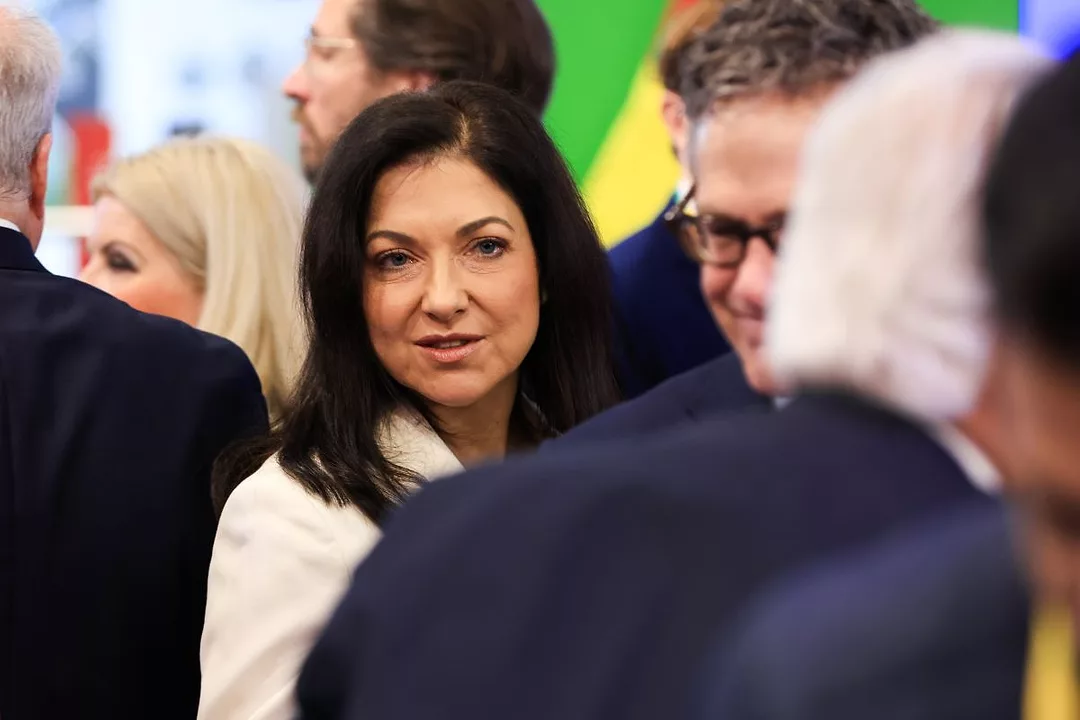
German Economy Minister Katherina Reiche in Hannover on April 20. Photo: Bloomberg
Germany cut its growth forecast for 2026 in half after the U.S. war on Iran triggered a spike in energy prices for industry and households.
German output is set to grow by 0.5% this year, the Economy Ministry in Berlin said on April 22. That compares with a January projection for a 1% expansion. The ministry also revised its outlook for next year down to 0.9% from 1.3%.
“The escalation in the Middle East and the war in Iran have set us back,” Economy Minister Katherina Reiche said at a press conference in Berlin. “The situation remains highly volatile.”
The deteriorating environment will add to the pressure on Chancellor Friedrich Merz and his divided coalition. The conservative leader has staked his government on reviving Europe’s largest economy and has run into trouble with his efforts to fix a welfare system that is swallowing up an ever-bigger share of the country’s resources.
Merz and his Finance Minister Lars Klingbeil, from the center-left Social Democrats, are negotiating deep cuts to benefits for German voters as they seek to close a budget shortfall of €140 billion ($164 billion) through 2029. With both parties languishing near record lows in opinion polls, and far-right Alternative for Germany siphoning off support from disaffected workers, neither the chancellor nor his finance chief have much leeway to reach a compromise.
Their dilemma is likely to become all the sharper as slower-than-expected growth hits tax revenue and nudges up spending to support the jobless, whose numbers have been creeping up for the past four years.
Germany’s recovery is “not only fragile, it is under acute threat,” said Helena Melnikov, managing director of the DIHK industry lobby group, adding that 83% of companies are already feeling the negative consequences of the crisis with shortages of oil, gas and other fuels, as well as plastic products and building materials.
The German economy has been buffeted by the U.S. tariff offense and the increasing competitiveness of Chinese companies in core export industries like high-tech machinery and automotives.
Inflation risks are also building, raising the prospect of an increase in interest rates from the European Central Bank later this year. The ministry forecast that consumer prices will rise by 2.7% this year and 2.8% in 2027.
Merz had sought to respond to that challenge with a €500 billion investment plan to upgrade German infrastructure, and by removing government borrowing constraints for spending on defense. But he’s struggled to force the infrastructure money through Germany’s complex bureaucracy, and activity has been dragged down by global headwinds.
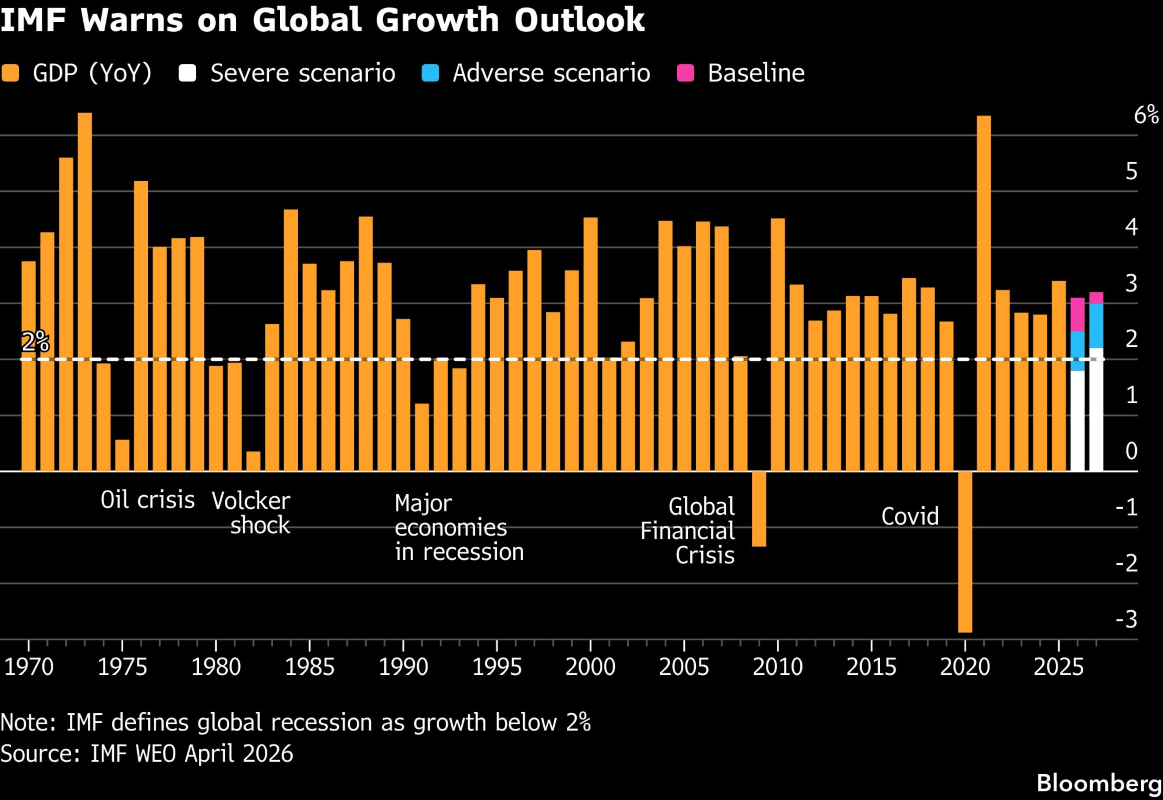
The International Monetary Fund last week cut its own forecasts for global growth and warned that the Iran war could tip the world economy into recession if it isn’t resolved quickly.
U.S. President Donald Trump this week announced an indefinite extension to a ceasefire with Iran, but peace talks are stalled by brinkmanship over the critical Strait of Hormuz.
Popular Stories




SupplyChainBrain 2026 ESG Guide: ESG — The Supply Chain’s Biggest Secret
VIEW THE LATEST ISSUECase Studies


Visit Our Sponsors |
|
|
|
|
|
|
|
|
|
|
|
|
|
|
|
|
|
|
|
|
|
|
| |
|
|
|
|
|
|
|
|
|
|
|
|
|
|
|