
SOCIAL
Five Governance Actions for Managing Animal Welfare Risk in Supply Chains
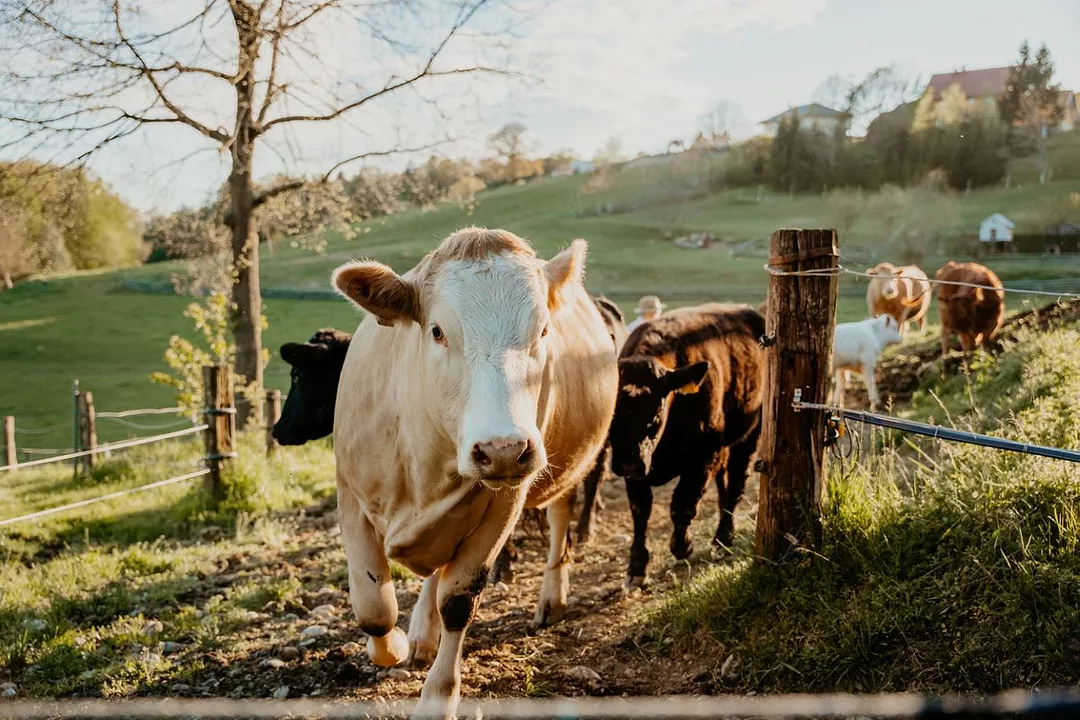
Photo: iStock/SimonSkafar
 Analyst Insight: Environmental, social and governance risk includes more than emissions and environmental impact. It’s meant to protect the people and practices across global supply chains. Companies often view the social “S” in ESG through the lens of human rights, fair wages and safe working conditions, but another group is affected by supply chain practices as well: animals.
Animal welfare has long been treated as an ethical issue, but today it carries operational, legal and reputational consequences. It takes just one unvetted supplier deep in the supply chain to create exposure: a farm using prohibited housing practices, a transport provider mishandling live animals, or a production facility operating outside accepted welfare standards. And when incidents surface, the consequences often cascade back to the parent company. Organizations can face regulatory penalties, lawsuits over misleading sourcing claims, consumer backlash and reputational damage. USDA enforcement actions in fiscal year 2024 resulted in more than $1 million in penalties across dozens of facilities, demonstrating that animal welfare non-compliance is a recurring and material supply chain risk.
Managing animal welfare risk requires structured governance across the supplier ecosystem, especially once animal-related activities extend several tiers beyond direct suppliers.
Following are five actions organizations can take to strengthen oversight and support more responsible sourcing practices.
Identify where animal welfare risk exists in your supplier base. Exposure varies widely across suppliers. Some never interact with animals, while others handle animals directly or work with animal-derived materials at critical points in production.
Organizations need to identify which suppliers present real risk, and understand the role they play in the supply chain. A livestock transporter, slaughter facility or contract research organization presents a very different risk profile than a packaging supplier or logistics broker.
Once companies understand where animals are present in their supply chain, they can focus deeper assessments and monitoring on those suppliers instead of applying generic questionnaires across the entire network.
Align oversight to recognized global standards. Effective oversight requires a clear reference point. Without one, supplier expectations vary significantly by region, business unit or auditor interpretation.
The World Organization for Animal Health provides internationally recognized guidance for humane treatment across species and industries. Aligning supplier expectations and assessments to WOAH creates a consistent baseline across global supply chains.
Using a recognized standard also strengthens defensibility. When regulators, investors, or advocacy groups ask how animal welfare is evaluated, organizations can point to established frameworks rather than internal criteria.
Define clear ownership across procurement and compliance. This ensures that oversight is integrated into supplier governance rather than treated as a standalone policy.
Procurement should embed animal welfare requirements into supplier onboarding, contracts and ongoing performance management. Compliance or ESG teams should oversee program standards, monitor risk indicators and manage escalation when violations occur.
Their role is to ensure that issues are investigated, remediation is tracked, leadership has visibility into emerging exposure, and suppliers are offboarded when risks cannot be resolved.
Monitor third-party enforcement and incident exposure. Issues rarely appear without warning. Regulatory enforcement actions, audit findings and public complaints often signal problems before they escalate.
To identify these signals early, organizations need structured tools to evaluate and monitor supplier practices. Tailored supplier assessments provide a critical starting point. They should examine core operational areas such as governance and accountability, animal housing, handling and care practices, transport conditions, humane slaughter or euthanasia procedures, and animal health and disease management.
Oversight should continue beyond the assessment stage. Supplier audits, incident reporting and corrective action tracking help organizations identify emerging issues, address gaps with suppliers, and strengthen animal welfare oversight across the supply chain.
Integrate animal welfare into enterprise risk reporting. Leadership needs visibility into risks that could create regulatory exposure or reputational damage. Yet these issues often remain buried within procurement or sustainability teams.
Organizations should incorporate animal welfare indicators into enterprise risk reporting, including supplier assessment results, incident trends and remediation status. Structured reporting helps leadership understand where risk is concentrated, and whether oversight across the supplier ecosystem is improving.
Many companies publish animal welfare policies, but far fewer enforce them across global supplier networks. Organizations that treat animal welfare as a supply chain risk issue take a different approach. They identify where exposure exists, align oversight to recognized standards, assign clear ownership, and monitor risk at the enterprise level. That governance is what turns animal welfare commitments into enforceable supplier practices.
Popular Stories





100 Great Supply Chain Partners 2026: The Secret to Supply Chain Success
VIEW THE LATEST ISSUECase Studies


Visit Our Sponsors |
|
|
|
|
|
|
|
|
|
|
|
|
|
|
|
|
|
|
|
|
|
|
|
|
|
|
|
|
|
|
|
|
|
|
|
|
|
|
|
|
|
|
|
|
|
|
|
|
|
|
|