ENVIRONMENTAL
Greener Shipping Starts With Smarter Decisions

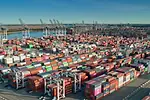
Photo: iStock/PIKSEL
 Analyst Insight: While some governments and organizations have begun to scale back public sustainability commitments, the underlying operational drivers behind those initiatives have not changed. Well-run supply chains reduce waste, improve efficiency and make smarter use of resources whether the motivation is regulatory compliance, cost control or environmental stewardship.
For companies that ship products, logistics operations present one of the clearest opportunities to make measurable progress in environmental sustainability. Even relatively small operational improvements, guided by better data and smarter decision-making, can produce meaningful results, while lowering costs and improving service performance. The key is understanding where inefficiencies exist and how everyday shipping decisions influence both emissions and operational outcomes.
Rethinking speed and service levels. Over the past decade, fast delivery has become the default expectation across many industries. But expedited services frequently rely on air transportation or less efficient delivery networks, significantly increasing emissions compared with other delivery methods.
In many cases, shipments are upgraded to faster services out of habit rather than true business need. By analyzing service-level usage and aligning delivery options with realistic customer expectations, companies can reduce unnecessary emissions while maintaining strong service performance.
Some businesses are also introducing slower shipping options or delivery incentives that encourage customers to select more sustainable choices. Even modest shifts in service-level selection can have a meaningful impact at scale.
The impact of packaging and shipment weight. Another major contributor to shipping emissions is packaging. Oversized boxes and unnecessary packing materials increase dimensional weight, meaning carriers must move more volume than the product itself requires.
Right-sizing packaging can significantly reduce the environmental footprint of shipping operations. Smaller packages allow more items to fit within each truck or container, improving overall transportation efficiency, and reducing the number of trips required to move goods through the network.
In addition to lowering emissions, packaging optimization can also significantly reduce material costs and lower shipping charges tied to dimensional weight calculations and surcharges.
Reducing distance through smarter fulfillment. Distance traveled remains one of the most direct drivers of transportation emissions. For manufacturers and distributors, this creates an opportunity to rethink fulfillment strategies. Positioning inventory closer to key demand centers can reduce the miles each shipment travels, lowering emissions while also improving delivery speed.
Regional distribution models, decentralized fulfillment strategies, and better alignment between inventory placement and customer demand can all help shorten transportation routes.
These strategies are often supported by shipping and order data, including insights at the SKU level, that reveal where products are actually being delivered. When companies analyze those patterns, they can identify opportunities to reduce both transit distances and shipping costs.
Improving efficiency through consolidation. Many organizations ship orders individually even when shipments could be consolidated, reducing overall transportation efficiency.
Consolidation strategies, such as combining multiple orders into a single shipment, or using bulk transportation to move goods closer to destination regions before final delivery, can significantly reduce emissions per package.
Zone-skipping strategies, for example, allow companies to transport large volumes of shipments to a regional hub, and then inject them into carrier networks closer to the final destination. The result is fewer miles traveled within parcel networks and improved efficiency across the transportation process.
Using data to identify hidden inefficiencies. Perhaps the most important step in reducing shipping emissions is gaining visibility into shipping data. Many organizations lack a clear picture of how their shipping decisions affect costs, service performance and environmental impact.
Detailed shipping data can reveal patterns that might otherwise go unnoticed. For example, companies may discover frequent use of expedited services that provide little real benefit, shipments traveling long distances from suboptimal fulfillment locations, or packaging practices that inflate dimensional weight.
By analyzing shipping data, organizations can identify opportunities to streamline operations and eliminate unnecessary waste, reducing emissions and improving the overall efficiency and resilience of the supply chain.
Sustainability and better operations go hand-in-hand. While sustainability initiatives often receive attention in the context of regulations or corporate commitments, many of the most effective changes come from simply running a smarter operation.
Reducing unnecessary miles, minimizing packaging waste, optimizing service levels and improving network efficiency all contribute to lower emissions. At the same time, these improvements help organizations control costs and deliver more consistent service.
For logistics and supply chain leaders, that makes emissions reduction less about policy and more about operational excellence. Companies that treat their shipping data as a strategic resource will be better positioned to uncover inefficiencies, improve performance, and build supply chains that are both more sustainable — and more competitive.
Greener operations are rarely the result of a single initiative. They emerge from the steady process of measuring performance, identifying opportunities, and making incremental improvements over time. Organizations that commit to reducing their environmental impact will also find that they’ll end up building stronger, more efficient supply chains at the same time.
Popular Stories





100 Great Supply Chain Partners 2026: The Secret to Supply Chain Success
VIEW THE LATEST ISSUECase Studies


Visit Our Sponsors |
|
|
|
|
|
|
|
|
|
|
|
|
|
|
|
|
|
|
|
|
|
|
|
|
|
|
|
|
|
|
|
|
|
|
|
|
|
|
|
|
|
|
|
|
|
|
|
|
|
|
|