Somali Pirates Hijack Oil Tanker in Red Sea
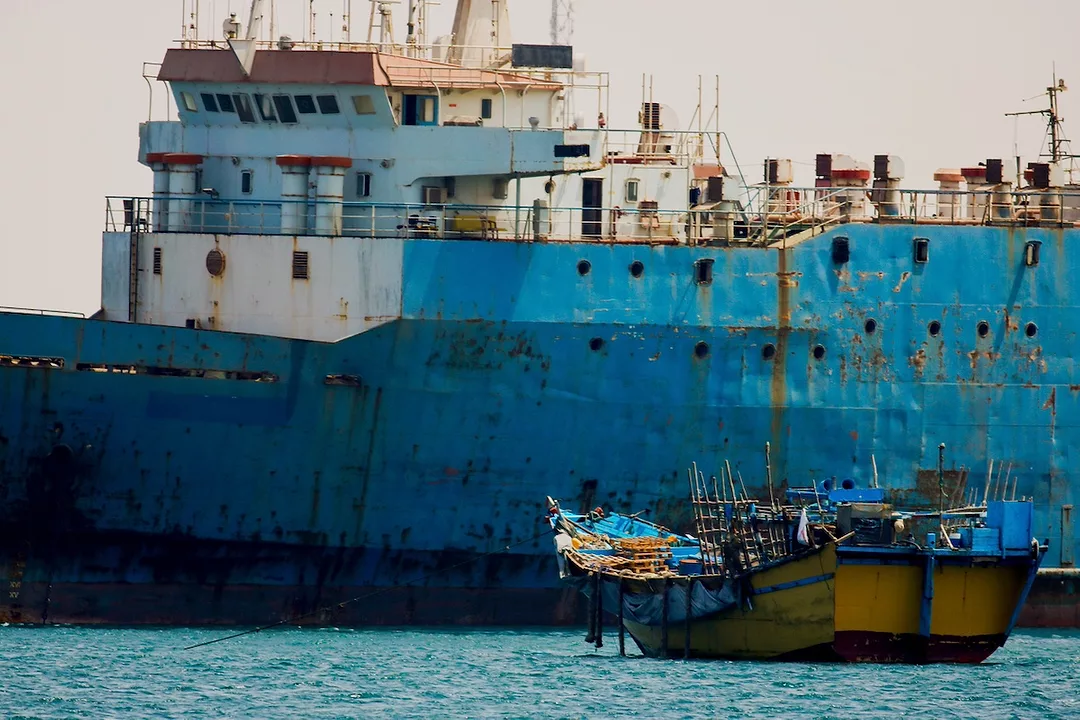
Photo: iStock / Vidas Pocius
An oil tanker off the coast of Yemen was hijacked by pirates from Somalia on May 2, the third such incident in recent weeks, reports The New York Times.
The pirates, who may have been collaborating with rebel Houthis in Yemen, diverted the Togo-flagged Eurekato to Somalia’s waters, the authorities in Somalia said May 3.
The Times says the hijacking is an embarrassment for the Somali government, because it suggests a resurgence of piracy. The Red Sea, which borders western Yemen, has become a critical alternative export route that avoids the effective closure of the sea exit from the Persian Gulf region, via the Strait of Hormuz, especially for oil from Saudi Arabia.
The Times reports that the Houthis and Somali pirates have cultivated an alliance over the years, with the rebels at times providing technology and military backup. Analysts say the war could give them more reason to work together as the high price of fuel presents an opportunity to profit.
Saudi Arabia, the largest producer of oil in the region, decades ago developed a pipeline that allows it to export oil to its coast on the Red Sea. This allows it to export around 5 million barrels a day while avoiding the vulnerable route through the Strait of Hormuz, which was threatened by Iraq during the Iran-Iraq war in the 1980s, and has proven to be easily controlled by Iranian forces during the U.S.-Israel war on Iran. The war is currently the subject of a contentious ceasefire during which both the U.S. and Iran have been blockading passage through the strait.
But shipping traffic has sporadically been hampered by both Somali pirates and Houthi rebels in Yemen, who are supported by Iran, and resisted by Saudi Arabia, which wants to restore stability to the beleaguered Yemeni government. Houthi threats to international shipping increased significantly after the Iranian-backed Hamas militia attacked civilians in Israel on October 7, 2023, prompting a massive military response from Israel in Gaza, the West Bank and southern Lebanon.
As the price of a barrel of oil continues to soar, concerns are increasing about any viable route by which to get oil and other energy products out of the region that accounts for some 20% of global supplies.
Popular Stories




SupplyChainBrain 2026 ESG Guide: ESG — The Supply Chain’s Biggest Secret
VIEW THE LATEST ISSUECase Studies


Visit Our Sponsors |
|
|
|
|
|
|
|
|
|
|
|
|
|
|
|
|
|
|
|
|
|
|
| |
|
|
|
|
|
|
|
|
|
|
|
|
|
|
|