
Maersk CEO Gives Gloomy Outlook on Reopening of Hormuz
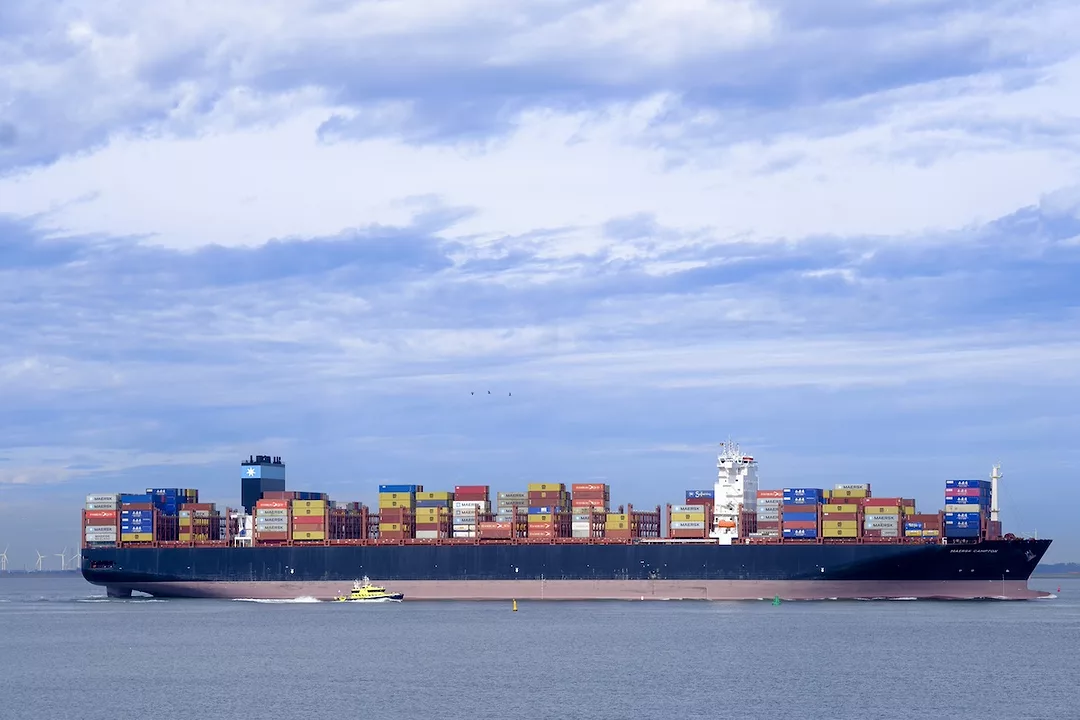
The CEO of Maersk has told BBC News that the reopening of the Strait of Hormuz in the next few days or weeks would have a “limited impact” on cargo flows, and said fuel costs for the world’s second largest ocean carrier had nearly doubled since the beginning of the U.S.-Iran war.
Vincent Clerc said spiking oil prices had added as much as $500 million in costs per month, but it had passed this on to its customers through higher freight rates.
“The reopening of the strait of Hormuz, whether it happens in the days to come or the months to come, will have limited impact on cargo flows,” he said in the interview, reported by the Guardian on May 7.
On May 6, the U.S. president, Donald Trump, wrote on social media that “assuming Iran agrees to give what has been agreed to… the already legendary Epic Fury will be at an end, and the highly effective Blockade will allow the Hormuz Strait to be OPEN TO ALL, including Iran.”
However, the shipping industry could continue to face elevated fuel costs, as well as concerns around their ability to travel safely into and out of the Persian Gulf, says the Guardian.
More than 800 ships and about 20,000 crew members remain stranded west of the narrow waterway.
Earlier this week, Maersk said a U.S.-flagged ship, Alliance Fairfax, operated by Maersk subsidiary Farrell Lines, had exited the strait without incident, accompanied by the U.S. military.
The group reported a 2% drop in revenue to $13 billion in Q1 2026, though that was ahead of expectations. It said it still expected container demand to grow by 2% to 4% this year. Maersk shares, which are listed in Copenhagen, fell by 7% on May 7.
Popular Stories




SupplyChainBrain 2026 ESG Guide: ESG — The Supply Chain’s Biggest Secret
VIEW THE LATEST ISSUECase Studies


Visit Our Sponsors |
|
|
|
|
|
|
|
|
|
|
|
|
|
|
|
|
|
|
|
|
|
|
| |
|
|
|
|
|
|
|
|
|
|
|
|
|
|
|