Tankers Trickle Through Hormuz After Trump Says Truce Over
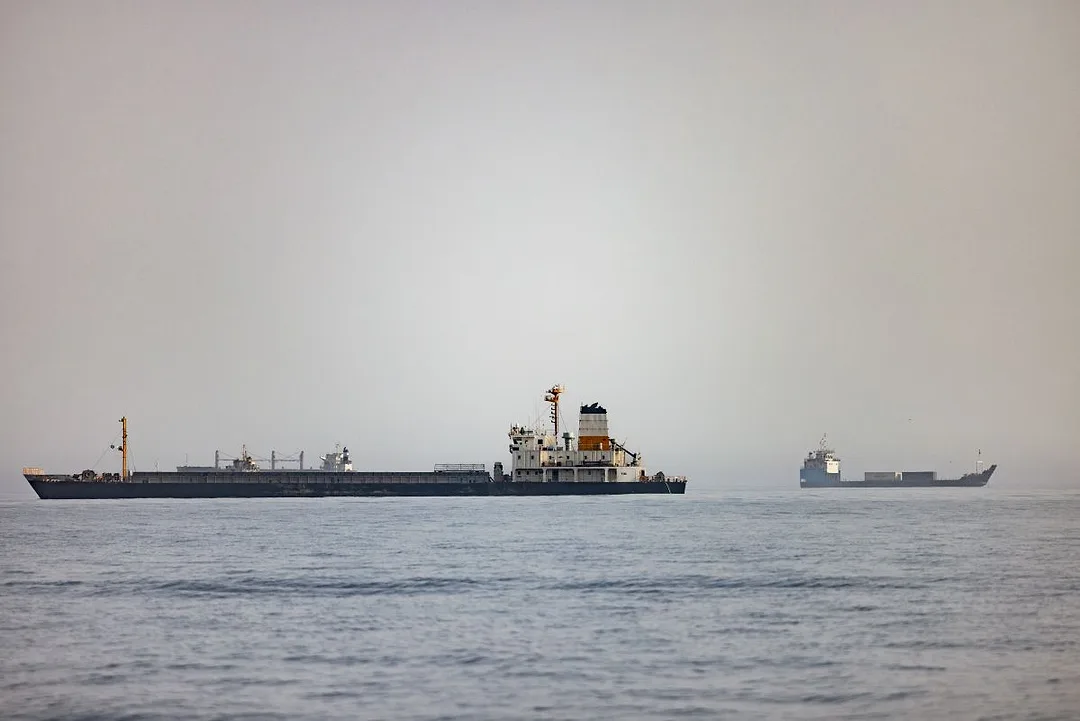
Photo: Bloomberg
A handful of oil tankers appeared to transit through the Strait of Hormuz on July 8, while at least one other U-turned away from the waterway, as President Trump’s declaration that a ceasefire with Iran was over raises the prospect of a renewed bout of conflict around the world’s most important energy chokepoint.
Two oil tankers made their way into the Persian Gulf through Hormuz overnight using a route close to Oman’s coastline, while another headed out by sailing close to Iran. A third ship carrying about two million barrels of crude U-turned midway through a transit along the waterway and re-entered the Persian Gulf. Visible liquefied natural gas traffic has largely ground to a halt.
Global financial markets have a renewed focus on energy flows through Hormuz after President Trump said earlier on July 8 that he considers the U.S.’s ceasefire deal with Iran to be over. Before the Iran war, about a fifth of the world’s oil and liquefied natural gas transited Hormuz. Western navies said on July 7 they expected traffic volumes to drop in the coming days after recent Iranian attacks.
Tracking shipments through the strait is complicated by the fact many vessels are crossing in convoys for security purposes, meaning flows can be lumpy. Millions of barrels a day of oil were also crossing on ships with their satellite signals switched off prior to the deal, another factor muddying the true picture of the level of traffic.
Several tankers were seen beginning or completing Hormuz crossings just hours after three vessels came under attack on July 7 — the largest number of incidents since an interim U.S.-Iran peace deal came into effect last month.
Those incidents included attacks on a Saudi supertanker, a Qatari LNG carrier and a ship owned by Sinokor Group, the world’s largest owner of very large crude carriers. It was unclear how the attacks had impacted each company’s approach to Hormuz.
The U.S. subsequently conducted airstrikes on Iran in retaliation for the attacks, and scrapped a waiver that had temporarily allowed the sale of Iranian crude.
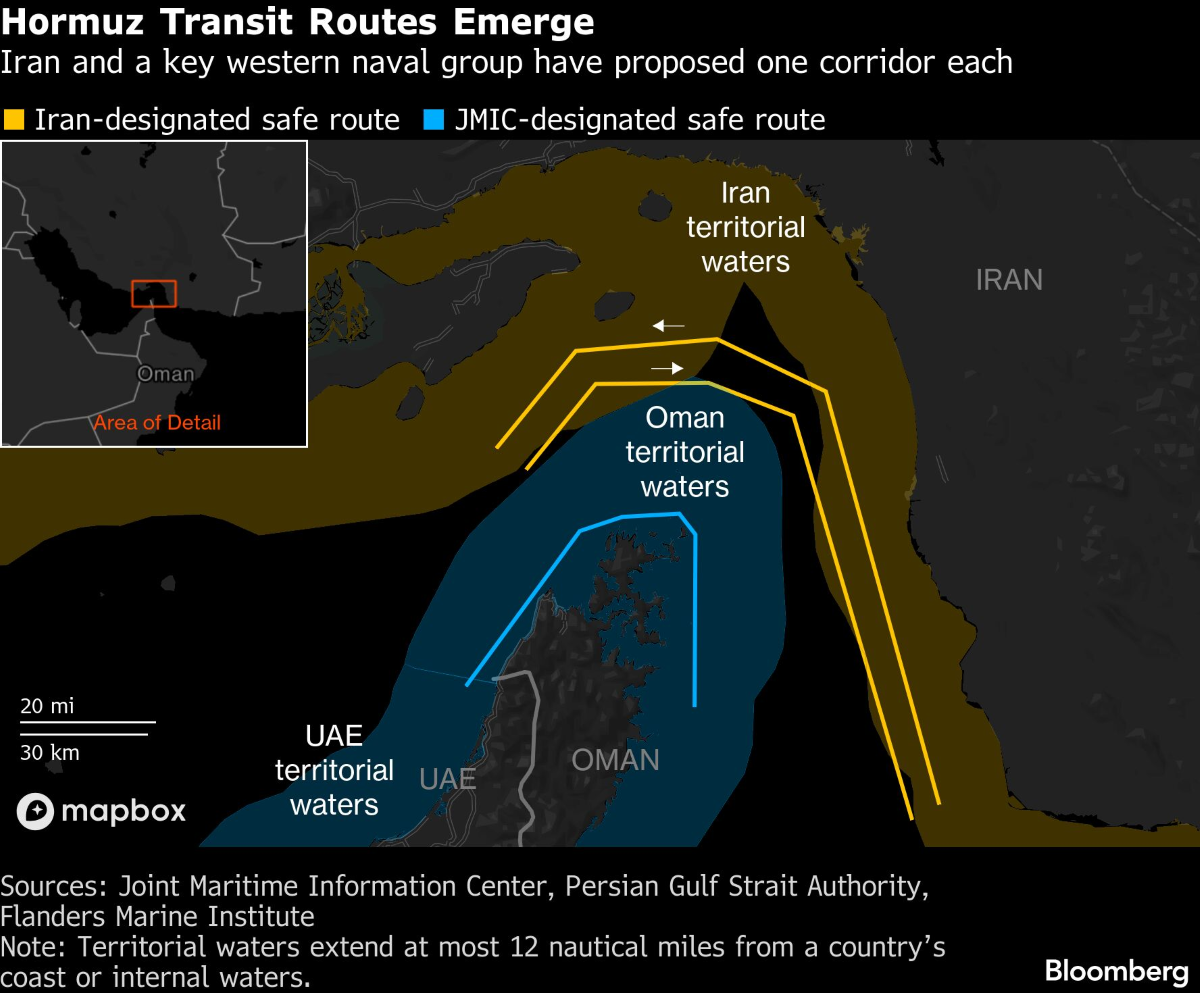
“Shipping is considering the latest developments,” said Martin Kelly, head of advisory at EOS Risk Group. “Ships are turning around or opting to use the PGSA route,” he said, referring to the path operated by Iran’s Persian Gulf Strait Authority.
In the strait, the prospect of fresh strikes could set back a revival of traffic. Already, shipowners are increasingly having to weigh not only whether to cross, but which route to choose, for fear of angering one side or the other.
A corridor that hugs the Omani coast is supported by the U.S. military, but has increasingly come under attack by Iran as it continues to assert its dominance of the waterway. Tehran on July 7 told the International Maritime Organization, the UN’s shipping body, that it has the right to control parts of Hormuz.
The other option is a path that goes closer to Iran’s coast, which requires the country’s approval. That exposes those who use it to compliance and sanctions risks.
U-turns have become increasingly common as shipowners grapple with a changing situation and fluctuating Iranian demands, with some resuming their journeys along the Tehran-approved route. The Lila Vadinar, which U-turned in Hormuz on July 8, had entered the Persian Gulf late June and picked up a cargo of Kuwaiti crude, before attempting to leave earlier in the day.
“The Hormuz reopening story looks more fragile,” Clarksons Securities analysts including Frode Morkedal said in a note. “We do not see a full closure of the Strait as the base case, as both sides have incentives to avoid a broader oil shock and keep the wider framework alive.”
Popular Stories




SupplyChainBrain 2026 ESG Guide: ESG — The Supply Chain’s Biggest Secret
VIEW THE LATEST ISSUECase Studies


Visit Our Sponsors |
|
|
|
|
|
|
|
|
|
|
|
|
|
|
|
|
|
|
|
|
|
|
| |
|
|
|
|
|
|
|
|
|
|
|
|
|
|
|