Amazon.com is asking small-business owners to help deliver its goods, seeking to reduce its reliance on the U.S. Postal Service and other major delivery services as the number of packages it ships continues to climb.
A vague mention of Amazon.com Inc’s interest in any sector might be enough to send investors into a tizzy, but the top executive of U.S. Xpress Enterprises Inc. is unperturbed.
Retailers and manufacturers are taking stock of their transportation costs and exploring alternatives as a capacity crunch in freight is driving up prices and causing shipping delays.
The market for new heavy-duty trucks is growing at a nearly unprecedented pace this year as fleet owners and big-rig manufacturers race to keep up with accelerating U.S. freight demand.
Joyce Brenny, chief executive of Brenny Transportation in Minnesota, gave her truck drivers a 15 percent raise this year, but she still can't find enough workers for a job that now pays $80,000 a year.
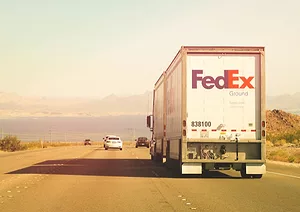
Convinced that blockchain is on the brink of transforming the package-delivery business, FedEx Corp. is testing the technology to track large, higher-value cargo.
“Autonomous vehicle” tends to conjure images of flying drones and quadcopters. But autonomous trucks will have a far more immediate and lasting impact on cargo, says Dan Murray, vice president of the American Transportation Research Institute (ATRI) — although it may be some time before such vehicles are embraced globally.


.webp?height=100&t=1784835632&width=150 "LSG26_LTAgentEdgeImage_DB-1313-1 (1).png")


.webp?height=100&t=1784491177&width=150 "030_ai_in_the_warehouse-_real_use_cases_v1-(540p).png")


