As Ford Motor Co. has been developing self-driving cars, the U.S. automaker has started noticing a problem during test drives: Engineers monitoring the robot rides are dozing off.
Chinese companies started talking a decade ago about cracking the U.S. auto market with an array of low-cost passenger vehicles. That hasn't happened, so instead they're getting under the hoods of American cars by buying up parts makers at a record pace.
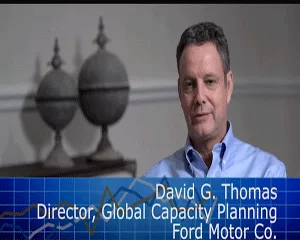
To successfully work with cross-functional groups around the world, you must be able to share data of every description, says David G. Thomas, director of global capacity planning for Ford Motor Co.
President Trump is not a fan of recent trade deals. He condemned the Trans-Pacific Partnership (TPP) during the campaign and called the North American Free Trade Agreement (NAFTA) "the worst trade deal maybe ever signed anywhere."
It was supposed to be a victory party. Carmakers from across the globe had planned to celebrate their head-spinning boom in Mexico at the Automotive Logistics conference held in Mexico City last week. Then Donald Trump won the U.S. presidential election.
When Trump administration appointee Wilbur Ross sat for a hearing on his commerce secretary nomination, one name kept coming up: Toyota. A senator from Vice President Mike Pence's home state asked to be reassured trade reforms wouldn't compromise Indiana jobs. Another from Mississippi said he was "tickled to death" Corollas are built in his state.
Automakers and parts manufacturers on both sides of the Canada-U.S. border are meeting state and provincial governments to co-ordinate a response to President Donald Trump as he pushes far-reaching changes to a trade deal that's crucial to the industry, the head of Canada's biggest autoparts maker said.
Toyota Motor Corp. and Nissan Motor Co. say they'll keep making cars in the U.K. despite Prime Minister Theresa May's plan to leave the European Union's single market, which could make exporting from British factories less lucrative.