As retailers continue to compete with e-commerce, they remain challenged in optimizing the use of in-store inventory as available to fulfill. The emergence of safe, mobile robots will help retailers to make better use of in-store inventory, while also enhancing the customer experience. Robots in the store will soon be used to not only handle product but to engage with the customer to improve customer service. -John Santagate, Research Director, IDC
Behind the bar of San Francisco's Four Seasons Hotel last March, a set of doors led into an empty cafe room where an unknown, 25-year-old British-Nigerian entrepreneur named Silas Adekunle was about to meet a senior executive at Apple.
Planners working with complex supply chains will find that artificial intelligence systems will free them for more interesting work — and could even lead to rising in the company ranks.
Finding and managing distribution center labor has become more complex with the rise of e-commerce. But the argument for investing in automation technology is compelling.
Inside General Motors Co’s vehicle assembly plant in this southern China city, many workers wear the red-and-yellow uniforms of DHL, the logistics company.
Online grocery retailer Ocado has announced it will start testing a humanoid robot to assist human engineers maintain its automated fulfillment centers.
In the quest to increase productivity in material handling and manufacturing environments and be more responsive to the changing interests and expectations of the consumer, companies are increasingly embracing new technology.
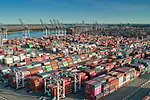
Shanghai Yangshan Deep-Water Port's Phase IV container terminal started its trial operations last week. The 550-acre, $1.8bn facility is the latest expansion of the Port of Shanghai's complex on Yangshan Island, which has deeper water than the port operator’s mainland terminals.