The age of the omnichannel is all about options. Customers buying online should be able to receive their purchases in any way they choose — at home, work, a designated retrieval point, or direct from the store. Or so goes the theory.
On a cold December night last year, a meeting was called in the lobby of my apartment building. Concerned residents gathered to discuss a matter of great import: what to do about the swarms of packages jamming the lobby closet and overflowing into the entryway.
It’s lazy to think that a manufacturing process is better just because it’s automated. While the effort going on right now at the Tesla factory in Fremont is anything but lazy, it brings into the spotlight one of the core problems with the simplistic “automation for automation’s sake” strategy: processes that aren’t stable to begin with cannot be made stable with robots.
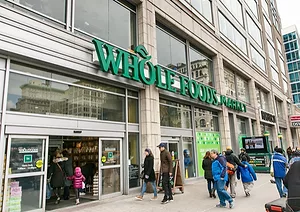
One year ago this week, Amazon.com Inc. loudly declared its intention to become a grocery industry heavyweight by announcing its agreement to buy Whole Foods Market.
Forklift sales are up and continuing to rise. In the North American market, 2017 sales were up 9.5 percent over 2016, reaching a new benchmark of 253,146 units sold.
Automation is making an impact in logistics as third-party logistics providers (3PLs) tap into technology for greater efficiency across the organization.
Amazon has been accused of treating staff like robots as it emerged that ambulances had been called out 600 times to the online retailer’s U.K. warehouses in the past three years.