The White House plans to convene executives from Amazon, Facebook, Google, Intel and 34 other major U.S. companies on Thursday as it seeks to supercharge the deployment of powerful robots, algorithms and the broader field of artificial intelligence.
Established U.S. logistics firms say digital-friendly freight startups that are drawing growing interest in Silicon Valley still lack the scale and customer relationships to threaten their share of the market.
The question of how accurately sheep are counted as they are loaded on to livestock carriers has become a topic of discussion across Australia after whistle-blower footage from on board the Panama-flagged Awassi Express was aired on 60 Minutes last month. Now, more footage: “Boiled Alive,” deemed so confronting and horrific that commercial television would not show it, has been aired by Fairfax Media.
No less an authority than Wikipedia attributes the origin of the proverb “the enemy of my enemy is my friend” to Sanskrit, an ancient Hindu language. How appropriate, then, that the saying’s latest proof point is the battle unfolding among global tech players in India.
For every dollar consumers spend on food, only 7.8 cents goes to farmers — a record low that reflects shifts in how Americans eat, according to the Department of Agriculture.
When cybersecurity firm Malwarebytes started automating its quality assurance testing last year, it knew that the move could put more than four dozen employees out of work.
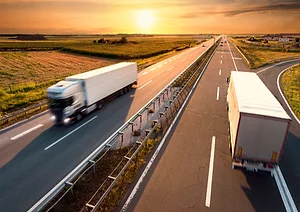
Freight-hauling firms slowed their roll in ordering new trucks last month, as backlogs at equipment factories spiked following record demand for new vehicles in the first quarter.
Despite the continued buzz around the potential for blockchain technology to enhance data security in the supply chain, the airfreight industry has seen a slow start to creating tangible application. But last week, Chinese e-commerce giant Alibaba put its word into action by premiering its own blockchain-encrypted platform, the Food Trust Framework.