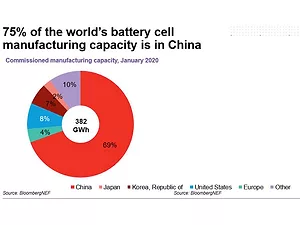
American companies across the board are striving to reduce their dependence on China as a source of manufacturing, but one industry sector is especially keen to bring production back to the U.S.
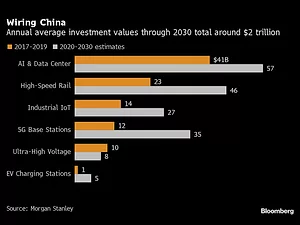
Beijing is accelerating its bid for global leadership in key technologies, planning to pump more than a trillion dollars into the economy through the rollout of everything from wireless networks to artificial intelligence.
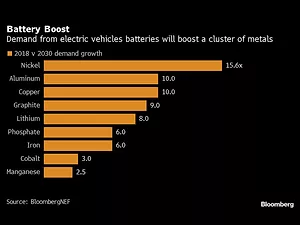
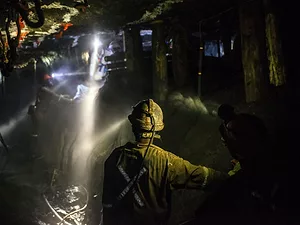
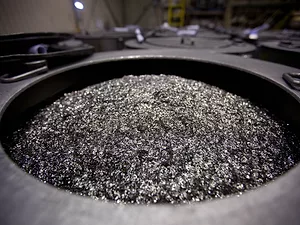
Mine developers scrambling to fund projects to meet forecast demand for battery metals see the threat of looming supply crunches as a trigger for electric-vehicle makers to step in with investments.
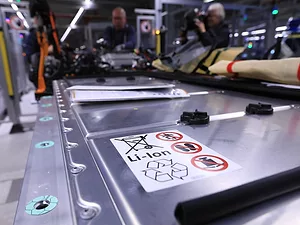
Modern technology provides us with a dazzling array of devices, machines and vehicles designed to create more efficient supply chains, promote a cleaner environment and generally enrich our lives. But none of it runs without batteries.
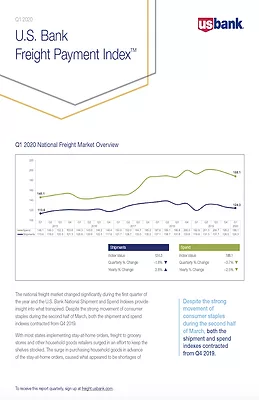
Preparing your supply chain for sustainable business performance in the aftermath of COVID-19 requires awareness of multi-modal transportation trends affecting your ability to manage cost and customer service.
As companies describe how they weathered a quarter most people would like to forget, here are some other examples of how big supply chains are holding up.
For Marian Bocek, the coronavirus is a reminder that Europe needs to reduce its dependence on China, especially when it comes to making parts for the next generation of cars and trucks.
Even as Asia slowly reopens after its lockdown, factories there risk running short on supplies as the virus spreads to countries that produce vital raw materials.