Animal welfare in fashion has had a huge boost last week. Asos — the second biggest clothing site in the U.K., with 64.4 million visitors in the six months to May 2018 — has pledged to ban silk, mohair, cashmere and feathers from its site from January 2019. In addition, products using down, teeth and bone — including mother-of-pearl, which is taken from the shell of some molluscs — also fall under the planned ban.
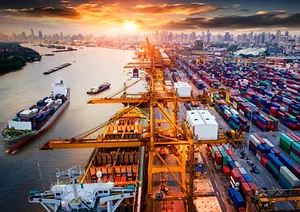
Since its inception, the internet has been a souped-up, digital version of the global logistics system. It has seamlessly connected parties across the world, allowing them to transport information in the form of data to anyone, anywhere — only without the trucks, boats or planes required of traditional logistics. In its early days, the internet even earned itself the name “information superhighway” as a fitting tribute to the industry.
Brick-and-mortar retailers that have seen their businesses upended, and some literally destroyed, by the rise of e-commerce finally had a moment of vindication last week: The U.S. Supreme Court, in a landmark 5-4 ruling, basically gives states the green light to have online retailers collect sales tax just like any local retailer.
With a dragnet closing in, engineers at a Taiwanese chip maker holding American secrets did their best to conceal a daring case of corporate espionage.
When Volvo Car Group broke ground on its first U.S. assembly plant in 2015, it was a proud proof point for the Swedish automaker’s rebound and global expansion, not a chess move in anticipation of a possible trade war.
Price squeezes by some of the U.K.’s biggest supermarkets, including Tesco, Sainsbury’s and Asda, are hurting workers and small-scale farmers in some of the poorest parts of the world, Oxfam has said.
The potential benefits of blockchain technology appeal to the aerospace/defense sector with 86 percent of them expect to integrate blockchain into their corporate systems within three years, according to new research from Accenture.
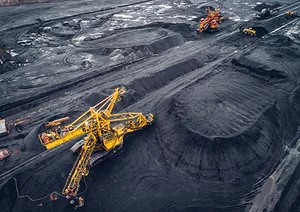
At least three U.S. coal shipments on their way to China may end up casualties of the escalating trade dispute after Beijing said it would impose steep tariffs that may kick in before the ships reach their destinations.
Few people consider used plastic to be a valuable global commodity. Yet China has imported 106 million tons of old bags, bottles, wrappers and containers worth $57.6bn since 1992, the first year it disclosed data. So when the country announced last year that it finally had enough of everybody else's junk, governments the world over knew they had a problem. They just didn’t know exactly how large it was.