Brick-and-mortar retailers that have seen their businesses upended, and some literally destroyed, by the rise of e-commerce finally had a moment of vindication last week: The U.S. Supreme Court, in a landmark 5-4 ruling, basically gives states the green light to have online retailers collect sales tax just like any local retailer.
The Trump administration is proposing to restructure the U.S. Postal Service with an eye to taking it private, a step it said would cut costs and give the financially burdened agency greater flexibility in adjusting to the digital age.
The potential benefits of blockchain technology appeal to the aerospace/defense sector with 86 percent of them expect to integrate blockchain into their corporate systems within three years, according to new research from Accenture.
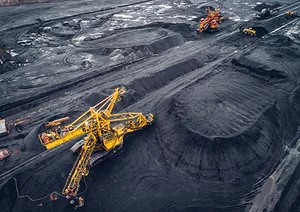
At least three U.S. coal shipments on their way to China may end up casualties of the escalating trade dispute after Beijing said it would impose steep tariffs that may kick in before the ships reach their destinations.
Few people consider used plastic to be a valuable global commodity. Yet China has imported 106 million tons of old bags, bottles, wrappers and containers worth $57.6bn since 1992, the first year it disclosed data. So when the country announced last year that it finally had enough of everybody else's junk, governments the world over knew they had a problem. They just didn’t know exactly how large it was.
The merchandise has never been more plentiful or easier to find. Tote bags that say “United” from H&M. T-shirts emblazoned with “I Am Proud” from Levi Strauss & Co. An inflatable, rainbow-colored whale from Target — a “Pride Narwhal.”
China’s infrastructure investments as part of its Belt and Road Initiative (BRI) have the potential to change the strategic dynamics of the entire Indo-Pacific region.
A vague mention of Amazon.com Inc’s interest in any sector might be enough to send investors into a tizzy, but the top executive of U.S. Xpress Enterprises Inc. is unperturbed.
Package delivery company UPS on Tuesday said it will invest $130m to buy 730 compressed natural gas vehicles and build five more domestic CNG fueling stations as the industry moves to shift from petroleum-burning vehicles to those that use less-polluting alternative fuels.