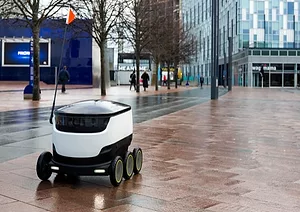
For all the dramatic advances in technology, the fundamentals of commercial transportation have remained constant for centuries: the shipper books a load, and the driver delivers it. But the next few years could see a radical transformation in the way that event takes place.
Logistics companies went on a hiring spree in November to handle the holiday surge in online shopping, adding thousands of jobs picking items off shelves in warehouses and delivering packages to customers’ homes.
Back in 2015, Microsoft veteran Benzi Ronen boasted that Farmigo, his online farmer’s market, was going to help kill off supermarkets. People would soon use their mobile phones to order non-perishables like toothpaste and toilet paper from Amazon and buy their humanely raised lamb chops and locally foraged ramps from Farmigo.
There were no piracy incidents reported to ReCAAP ISC this month, and the period from January to October was the lowest over the last 10 years, reports the agency.
I gave Amazon.com a key to go into my house and drop off packages when I'm not around. After two weeks, it turns out letting strangers in has been the least troubling part of the experience.
The White House is preparing to roll out a long-delayed infrastructure rebuilding plan in January, as President Donald Trump’s advisers bet that voters want a $1tr road-and-bridge-building plan — even though it is opposed by some lawmakers.
In something of a reversal for San Francisco, a city that has served as a petri dish for disruptive innovations in recent years, lawmakers last week passed strict regulations to reduce the number of delivery robots that technology startups have introduced to the city’s sidewalks.