In a warehouse on the outskirts of Indonesia’s capital, supervisors at e-commerce company Lazada use bikes or electric scooters to zip around a floor the size of four soccer fields, where up to 3,000 staff pack and dispatch goods around the clock.
The U.S. Postal Service says that its large financial losses are caused by market forces and governmental constraints but not Amazon.com, in a release of its quarterly statistics that stood in contrast to pointed statements made by President Trump.
A relatively high duty exemption for small packages imported into the U.S. is having all kinds of consequences for the flood of goods generated by e-commerce.
A new report by the International Transport Forum at the OECD concludes that Japan’s ambition to become an international bunkering hub for LNG is likely to be successful.
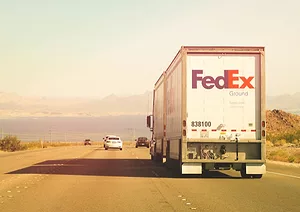
Convinced that blockchain is on the brink of transforming the package-delivery business, FedEx Corp. is testing the technology to track large, higher-value cargo.
Some ship operators are still looking for ways to skirt an international ban on the release of oily waste into ocean waters, in some cases using a tool known as a “magic pipe” to bypass cleaning devices, despite a crackdown on the practice.
When Johnson & Johnson heard complaints in 2009 about a musty odor coming from Tylenol Arthritis Pain caplets, it retraced its entire supply chain to find the source. The culprit: shipping pallets.
“Autonomous vehicle” tends to conjure images of flying drones and quadcopters. But autonomous trucks will have a far more immediate and lasting impact on cargo, says Dan Murray, vice president of the American Transportation Research Institute (ATRI) — although it may be some time before such vehicles are embraced globally.
Imports at U.S. major retail container ports are expected to grow steadily throughout the summer despite the prospect of heavy tariffs on goods from China, according to the monthly Global Port Tracker report released last week by the National Retail Federation and Hackett Associates.