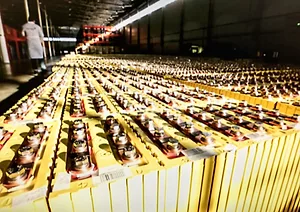
China tightened its grip on the global supply chain for battery raw materials as Tianqi Lithium Corp. struck a deal to take a $4.1bn stake in Chilean rival SQM, the second-largest lithium producer.
Chinese robotics company TuSimple plans to use port automation as a proving ground for over-the-road autonomous trucks. By the end of this year, it will have 20 of its self-driving vehicles carrying containers around the port of Caofeidian, China.
In a warehouse on the outskirts of Indonesia’s capital, supervisors at e-commerce company Lazada use bikes or electric scooters to zip around a floor the size of four soccer fields, where up to 3,000 staff pack and dispatch goods around the clock.
ZTE, one of China's leading technology companies, announced recently that it will end “major operating activities” after the U.S. government barred American firms from doing business with the telecom equipment maker.
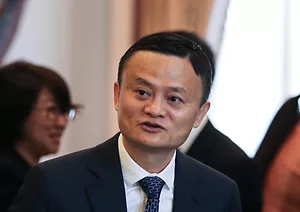
Alibaba has long enjoyed a lucrative return from its massive online shopping network. But their extraordinary profitability is no longer a foregone conclusion as the Chinese e-commerce giant re-invests huge sums of money on new initiatives in the face of intensifying competition.
Earlier this month, the Pentagon stopped selling phones made by the Chinese companies ZTE and Huawei on military bases because they might be used to spy on their users.
Before the financial crisis hit more than a decade ago, the easy way to test the global outlook was to apply the maxim that when the U.S. sneezes the rest of the world catches a cold.