Big data is the all the rage and getting tons of press as it has allowed manufacturers and supply chain executives to create new and compelling data-driven strategies that help them compete, innovate and capture wallet-share. Perhaps fueled in part by the likes of leading database vendors or system integrators (SIs) looking to cash in on high-dollar predictive analytic and scoring engagements, big data represents many things to many people, but one of the most pragmatic applications is mastering all the data elements used in a business infrastructure. The term commonly used for this process is master data management, or MDM.
Consumers remain smitten by luxury. Their urge to splurge was revealed in a 2013 study by The Boston Consulting Group, which found that consumers spent an annual aggregate amount of more than $1.8tr worldwide on items the respondents defined as luxuries.
Good forecasting is a blend of both art and science, according to Thomas Schleicher, senior director of measurement science, at the National Consumer Panel. He discusses the scientific measurement aspects of forecasting as well as the art of collaborating across functions to make informed assumptions.
People are the supply chain's biggest asset, but human resource investments often come in a distant third to investments in technology and processes. Simphiwe Mbonambi, senior director of supply chain planning at Eskom, explains why it is critical for companies to ignite the hearts and passions of their employees.
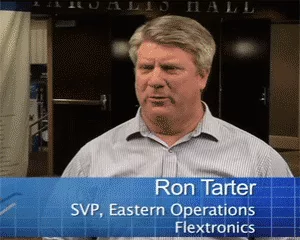
The competitive pressure on members of the global electronics sector has never been greater. While electronics OEMs recognize that their supply chains represent a significant opportunity to gain efficiencies, reduce cost and boost market share, many struggle to take their supply chain process improvement efforts beyond the proverbial low-hanging fruit.
NGO Shipbreaking Platform, a global coalition of organizations seeking to prevent dirty and dangerous shipbreaking practices worldwide, has published the complete list of ships that were dismantled around in the world in 2013. Of the 1213 large ocean-going vessels that were scrapped in 2013, 645 were sold to substandard beaching facilities in India, Pakistan and Bangladesh, says the group. Approximately 40 per cent of these ships were EU-owned.
The Open Group has launched the Open Trusted Technology Provider Standard (O-TTPS) Accreditation Program, one of the first accreditation programs aimed at assuring the integrity of commercial off-the-shelf (COTS) information and communication technology (ICT) products worldwide and safeguarding the global supply chain against the increasing sophistication of cybersecurity attacks.
An integrated setting for managing demand, supply and inventory involves working with people as much as with technology and information, says Todd Gallant of VF Corp. He explains how the Timberland division of VF is improving collaboration and communication among its associates up and down the supply chain.