Due to changing lifestyles and disposable incomes, the global jewelry market continues to rise, with much of that growth being driven by the move to e-commerce. The world's jewelry market is projected to surpass $257bn in 2017 and grow at a compound annual growth of five percent over the next few years. Currently, online jewelry sales only account for four to five percent of the market, but the e-commerce sector is expected to reach around 15 percent by 2020.
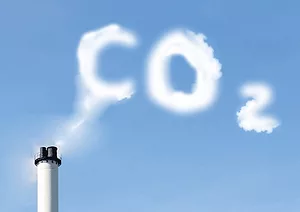
A proposal to include emissions from shipping in the European Union's 2030 emissions reduction target through the E.U. emissions trading system (ETS) has gained cross-party support among members of the E.U. parliament.
The recent bankruptcy of Hanjin container line clearly illustrates some of the risks involved in the global supply chain today. As The Guardian reports, "the bankruptcy of the Hanjin shipping line has thrown ports and retailers around the world into confusion, with giant container ships marooned and merchants worrying whether hundreds of tons of goods being carried by the South Korean company will reach shelves."
Leading pharmaceutical and biotech companies must continue to adapt to increasing global competition, regulation and pricing pressures. In response, the pharmaceutical industry is undergoing a major value chain transformation.
This summer, dockworkers, truckers and railroads geared up for a surge of retail goods passing through U.S. ports that hasn't occurred. Imports are flat at major seaports on both coasts heading into peak shipping season, the stretch in late summer and early fall when retailers usually load up on imported toys, clothing and other merchandise to sell to holiday shoppers. If the trend holds, it will be the second year in a row without a traditional peak.
It's been more than two months since the United Kingdom voted to withdraw from the European Union, but the shock waves aren't close to subsiding - especially with regard to the impact on global supply chains.
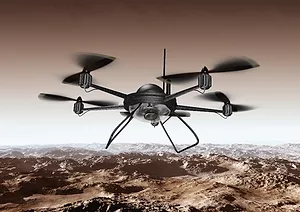
KC Sealock had not taken a standardized test since college. But here he was at 39 years old, long black beard flecked with grey, sitting in front of a computer at Jacksonville, Florida's Herlong Air Field, with a proctor peering on from behind a glass door. He spent two hours clicking at multiple choice questions about latitudes and longitudes, Class C airspace regulations, wing load factors, and more - 60 in all.
The supply chain program at CDP, formerly the Carbon Disclosure Project, has published the methodology behind what it says is the first ever system to assess how companies manage carbon and climate change across their supply chains.
China's recent move to add the U.S. to a list of Zika-infected countries is worrying U.S. exporters, who fear they will be required to fumigate all containers destined for Chinese ports. The cost to fumigate a container ranges from between $100 and $200.