
Fleet managers are responsible for improving efficiency and maintaining service levels while managing increasing fleet complexity. As a result, fleet safety has become a more strategic initiative in many businesses. Developments in AI mean businesses are turning to artificial intelligence to proactively manage risk and improve operational outcomes.
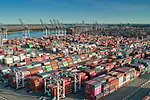
What’s disrupting and defining the sector more than anything are digital forces, from AI-driven automation and real-time visibility, to increasingly volatile global trade networks.
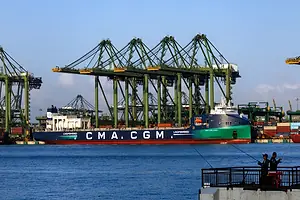
The Marseille-based company has for months confronted trade volatility due to Trump’s tariff policies and uncertainty stemming from conflicts in the Middle East
The lull came as a weekend meeting between Iranian and Omani officials indicated a fresh attempt to resolve the crucial issue of shipping around Hormuz.
Supply chains are under increasing pressure to handle higher volumes, tighter delivery expectations, and more complex flows with fewer resources and less tolerance for error. This article explores five key trends shaping the shift from basic operational visibility to measurable business value.
When e-commerce demand surged during the COVID-19 pandemic, cold chain logistics provider eGourmet Solutions faced a defining test of its operational scalability.
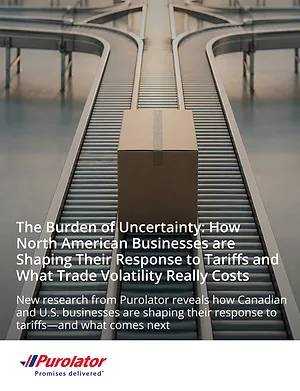
In 2026, Purolator commissioned HelloInfo to survey 348 shipping and logistics decision-makers in Canada and the United States across industrial, retail, healthcare and technology supply chains. The goal: to understand how Canadian and American businesses are navigating an increasingly uncertain trade environment.
Three DHL humanitarian flights have transported more than 100 tons of relief supplies to support communities affected by the devastating earthquakes in Venezuela.
Supply chain leaders need to speak the language of business: beyond service levels and freight rates, stretching into working capital, margin contribution and growth enablement.
The latest news, analysis, services and systems regarding global logistics and freight and their impact on global supply chains. Today’s companies are transporting and delivering perishables and manufactured goods faster and farther around the world than ever before through global logistics solutions. New technologies that provide information during global shipments are transforming the way companies do business - and allowing them to stay ahead of the competition in their industries. As transportation and distribution services continue to evolve, businesses are discovering new ways to increase efficiency and cut costs. Learn how companies are using global logistics solutions to power their supply chains.
Subscribe to our Daily Newsletter!
Timely, incisive articles delivered directly to your inbox.