Data Management (Big Data/IoT/Blockchain)


MOST POPULAR PODCASTS OF 2022
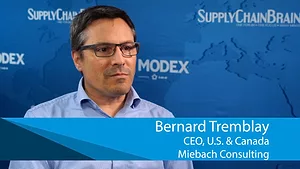
Podcast | Stitching Together the Physical and Digital Supply Chain
Read More
Data Management (Big Data/IoT/Blockchain)
The latest news, analysis, trends and solutions for big data, blockchain and the internet of things (IoT) and their impact on supply chain management. Big data describes the large volume of data that inundates a business on a day-to-day basis and can be analyzed for strategic business insights. IoT is the means that collects and sends data from a range of “things” — anything from watches to fridges to cars — that are connected to the internet with sensors or computer chips. Learn how companies around the world are using big data, blockchain and IoT for supply chain optimization and competitive advantage.
Popular Stories
.webp?height=100&t=1784835632&width=150 "LSG26_LTAgentEdgeImage_DB-1313-1 (1).png")


.webp?height=100&t=1784491177&width=150 "030_ai_in_the_warehouse-_real_use_cases_v1-(540p).png")

SupplyChainBrain 2026 ESG Guide: ESG — The Supply Chain’s Biggest Secret
VIEW THE LATEST ISSUECase Studies


Visit Our Sponsors |