For years, supply chain organizations approached demand forecasting by looking backward, with historical sales trends, seasonal cycles and prior purchasing behavior forming the foundation for most planning decisions. But in an environment shaped by geopolitical instability, tariffs and volatile consumer demand, many organizations are realizing that the forecasting models of the past simply can’t keep up with the disruptions of today.
The challenge is understanding how regulatory changes influence shopper behavior, conversion rates, profitability and expansion opportunities across every market you serve.
As supply chains become more dynamic, technology-driven, and customer-centric, third-party logistics (3PL) providers face mounting pressure to deliver greater speed, visibility, and operational agility.
The announcement reflects a wider trend among tech firms, which are spending hundreds of billions of dollars on building AI infrastructure such as data centers.
Integrated forecasting and supply chain planning platforms can close the gap between forecasting and execution
by connecting forecasting data directly to inventory optimization and replenishment processes.
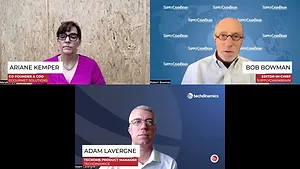
A case study highlighting how eGourmet Solutions uses techOMS from Techdinamics to improve efficiency, visibility and overall supply chain performance.
The latest news, analysis, trends and solutions for cloud, software as a service (SaaS) and on-demand systems and their impact on supply chain management. New technologies in cloud computing are transforming the way companies do business — and allowing them to stay ahead of the competition in their industries. As these solutions continue to evolve, businesses are discovering new ways to increase efficiency and cut costs. Learn how companies around the world are improving operations through their strategic use of cloud computing and on-demand systems for supply chain management.
Subscribe to our Daily Newsletter!
Timely, incisive articles delivered directly to your inbox.