Supply chains are under constant pressure from disruption, rising costs and increasing service expectations—yet decisions are still made across fragmented systems and functional siloes. Even with heavy investments in digitalization and AI, many organizations remain stuck in reactive execution.
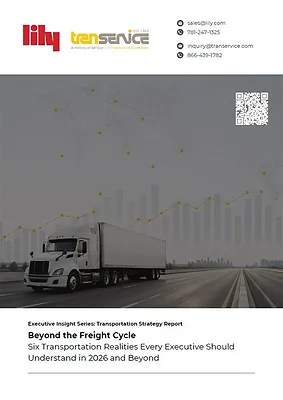
Beyond the Freight Cycle: Six Transportation Realities Every Executive Should Understand in 2026 and Beyond argues that transportation has evolved from a tactical logistics function into a strategic business capability that directly influences profitability, customer satisfaction, operational resilience, and long-term growth.
For years, transportation procurement has largely followed a familiar playbook: Shippers issue an annual request for proposals, carriers submit rates, and those contracts are expected to hold steady until the next bidding cycle. Today, that approach has become much harder to sustain.
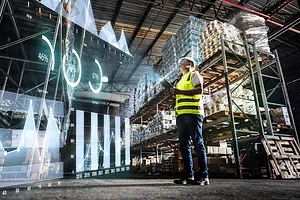
What’s disrupting and defining the sector more than anything are digital forces, from AI-driven automation and real-time visibility, to increasingly volatile global trade networks.
AI aggregates and analyzes fleet-related data, creating a comprehensive picture of driver behavior, vehicle performance, compliance issues and operational risks.
The latest news, analysis, trends and solutions regarding transportation management systems (TMS) and their impact on supply chain management. Today’s companies are moving goods across more suppliers, vendors and customers than ever before, and transportation management is critical in the overall supply chain. New technologies are optimizing productivity, increasing efficiency and cutting costs. Learn how companies around the world are improving supply chain operations through their strategic use of transportation management systems and software.
Subscribe to our Daily Newsletter!
Timely, incisive articles delivered directly to your inbox.