Although the coalition's efforts were largely successful in suppressing piracy over the last decade, renewed global instability has allowed the threat to reemerge.
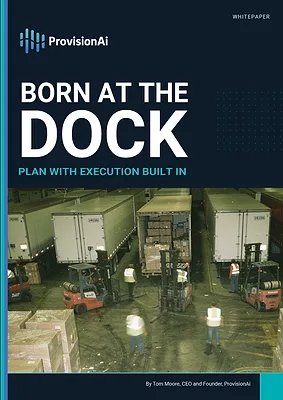
Born at the Dock argues that a supply chain plan is not complete when software approves it; it is complete only when the physical network can execute it and the customer receives the order in full. The whitepaper reframes planning around the dock, where inventory must be found, cases picked, pallets built, shipments staged, trailers loaded legally, carriers dispatched, and destinations prepared to receive.
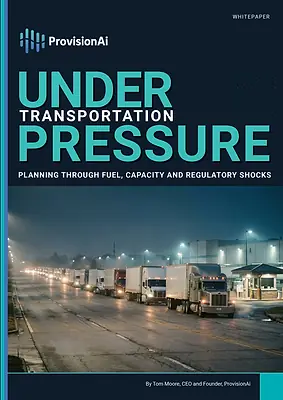
Transportation Under Pressure applies the Born at the Dock standard to a transportation market exposed to volatile fuel prices, tightening carrier capacity, regulatory change, labor constraints, and regional disruption. Its central argument is that shippers cannot control the next external shock, but they can reduce the internal exposure that determines whether that shock becomes a manageable cost increase or an operational crisis.
Supply chains are under constant pressure from disruption, rising costs and increasing service expectations—yet decisions are still made across fragmented systems and functional siloes. Even with heavy investments in digitalization and AI, many organizations remain stuck in reactive execution.
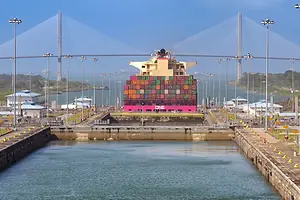
The ocean carrier brought in $15.8 billion in revenue in Q2, up from $13.1 billion a year earlier, while operating profit nearly doubled year-over-year to $1.6 billion.
The fund will be set up as a financing agreement that pre-funds the purchase of essential components, providing suppliers with the capital they need to stockpile parts.
If Iran were to join the NDB, it would become eligible for financing for a range of infrastructure projects across transportation, sanitation and urban development.
The IEA now expects the global oil market to run a deficit of 1.8 million barrels per day in the third quarter, more than double its estimate from just a month ago.