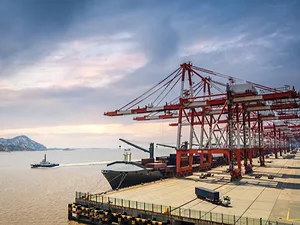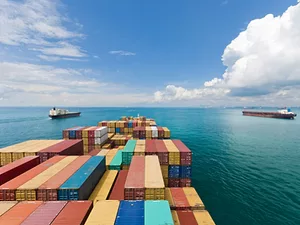
After President Trump blindsided Xi Jinping by raising tariffs just days after the end of trade talks that China had called “constructive,” the next step lies in Beijing’s hands.
The Trump administration cracked open the door for the eventual importation of cheaper medicines from abroad, the latest salvo in a battle to bring down drug costs.
Japan and South Korea have both sought for weeks to get the White House on their side in their spiraling trade dispute, with little success. Now, the U.S. may finally be stepping in.
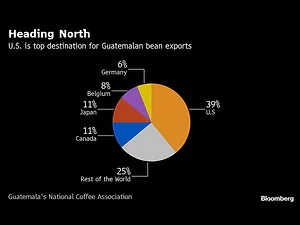
The crisis facing Guatemala’s coffee growers, suffering from rock-bottom commodity prices and depressed incomes, could turn into a nightmare as Trump threatens tariffs against the country.
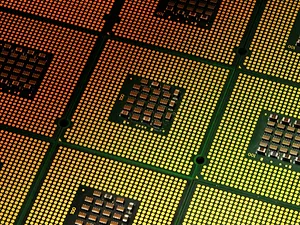
Tokyo set Wednesday as the deadline for public comments on whether to remove South Korea from a so-called “white list” of trusted export destinations, a move that could restrict exports on hundreds of items to South Korea, hamstringing the country’s giant tech sector.
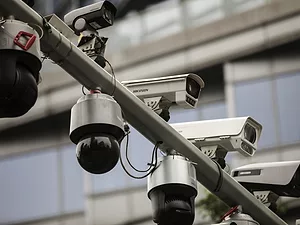
A complex web of supply chain logistics and licensing agreements make it almost impossible to know whether a security camera is actually made in China or contains components that would violate U.S. rules.
It’s the obvious solution for avoiding the squeeze of a mounting U.S.-China trade dispute: move production to other East Asian nations. For many companies, however, this is not a viable option.