While manufacturers remain optimistic about the U.S. economy, a majority fail to either implement or leverage important technological advancements that can help them capitalize on the recovery, according to a survey from Sikich LLP, a professional services firm specializing in accounting.
A report from APICS Supply Chain Council examines critical success factors of a supply chain leader, including his or her attributes, leadership style and ability to formally and informally influence a multitude of stakeholders.
World-class procurement organizations now deliver services at 17 percent less cost than typical companies while offering improved effectiveness, largely by becoming more customer-centric, according to research from The Hackett Group Inc.
Lately, it's almost impossible to talk about business strategy without mentioning the transformative potential of big data. Many companies are actively using advanced data analytics, and others are just getting started. But as the beginners are finding out, it's not as simple as just buying some new technology and hiring some statisticians.
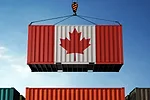
Moving into new markets beyond the U.S., even to nearby Canada, has its complications. A marketer of outdoor apparel and gear partnered with Purolator International to ease the way.
Every supply chain manager knows that moving freight globally is a high-risk business. In a world beset by severe weather events, worsening natural disasters and pervasive terrorist threats - on top of the usual traffic tie-ups, rail derailments and port slowdowns - disruptions are a fact of life.
The North American robotics market is off to its fastest start ever in 2015, according to statistics released from Robotic Industries Association (RIA), the industry's trade group.
Pervinder Johar, chief executive officer of Steelwedge Software Inc., defines the characteristics of the "next-generation" supply chain, and offers a perspective on how companies are adapting to globalization, "consumerization," and the growing power of social networks.
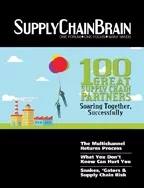
Oh, sure, go on and do it by yourself. Just try to run the company without any help. Treat suppliers like you don't need them. Go on! If there's a recipe for disaster, that's probably it: acting like you don't need anybody else's cooperation, input or ideas. The reality is quite a bit different though, isn't it? No company, no supply chain, exists in a vacuum. We do rely on each other, because no one of us can do it all, successfully, by ourselves. We need partners. Ah, but which partners – which ones are right for you?