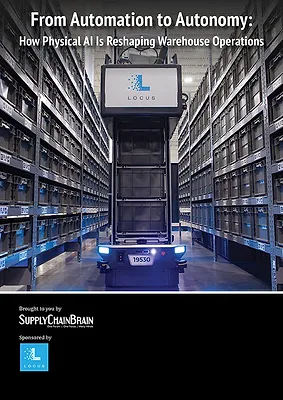
True warehouse autonomy depends not on automation alone, but on how effectively those systems work together within an integrated, intelligent ecosystem.
Warehouse automation decisions are often based on assumptions about future volume, labor, SKU mix, workflows, and facility requirements. The challenge is that those assumptions rarely stay fixed over the life of an automation investment.
Transportation costs are climbing, putting pressure on companies to find savings wherever they can. But the most obvious place to look is the transportation budget itself, where an organization can negotiate carrier rates, rebid contracts or shift freight to a cheaper service.
The warehouse is only one part of the equation. Large and bulky products typically require a different transportation and final-mile delivery model as well.
Microsoft and EPG will explore how practical AI and voice technology can change the way warehouse teams interact with existing IT systems. Discover how organizations can overcome information bottlenecks, reduce reliance on supervisors, and turn existing data into faster decisions and measurable productivity gains.
Warehouse managers can plan for a lot of things. They can forecast seasonal demand, optimize inventory levels and redesign workflows to improve efficiency. But what they can't plan for is every unexpected disruption that occurs throughout a normal workday.